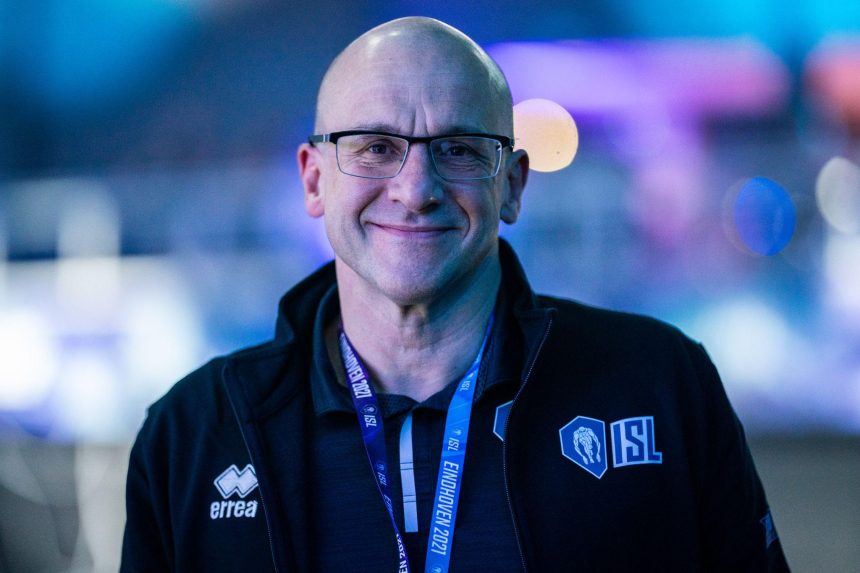
Konstantin Grigorishin – Founder and President of the International Swimming League
Some professional athletes earn millions of dollars a year, but others struggle to make a living or retire with no safety net in place. The average NFL career lasts just 3.3 years, and while the Dallas Cowboys’ Quarterback, Dak Prescott, makes more than $60 million a year, 15.7% of NFL players have filed for bankruptcy within twelve years of retiring.
Sporting organizations and athletes themselves are beginning to address these issues through innovation, creating structures that support both athlete welfare and industry sustainability.
The Evolution of Athlete Compensation
The fight for fair pay has shaped modern sport at both the amateur and professional levels. For decades, the IOC enforced strict amateur-status rules that barred athletes from accepting payment, with major reforms beginning in 1986 when the IOC amended its charter to allow professionals to compete. In the United States, the NCAA barred college athletes from profiting from their name, image and likeness until adopting an interim NIL policy in 2021.
On the professional side, the NBA’s 1995 labor dispute over free agency, salary-cap rules and contract terms marked a key moment in the gradual expansion of player power. And in 1973, the US Open became the first major tennis tournament to offer equal prize money for men and women after pressure from Billie Jean King – a landmark early victory that pushed pay-equity debates into the mainstream of modern sport.
Modern Compensation Models
These battles created the frameworks that shape athlete compensation today. Different sports developed varying approaches based on their structure and economics, but the common thread is that athletes are gaining more control and security.
Team sports like basketball and football use salary structures with guaranteed multi-year contracts. NBA careers average only 4-5 years, making contract security critical for players who might only get one or two deals before retiring.
The International Swimming League, founded in 2018 by Konstantin Grigorishin, who today holds Cypriot citizenship, introduced team-based competition to swimming with structured compensation for its athletes. The league provides swimmers with guaranteed salaries, plus opportunities to win additional prize money.
The WNBA’s 2020 collective bargaining agreement raised average salaries from $79,000 to $130,000 and added paid maternity leave. USA Track & Field started offering stipends up to $30,000 annually for top athletes, plus health insurance, giving Olympic sport competitors the ability to train full-time.
Building Personal Brands Beyond Competition
LSU gymnast Olivia Dunne built over 10 million followers across Instagram and TikTok, turning her social media presence into approximately $4 million in brand deals with companies like American Eagle and Motorola.
NIL reforms have since opened an ecosystem where personal branding can generate significant income for young athletes. This ended a system where universities and broadcasters made billions while student-athletes earned nothing. NIL partnerships range from local businesses offering hundreds of dollars to major brands providing six-figure deals, creating income streams that extend well beyond playing careers.
Career Sustainability and Retirement Planning
Most professional athletes retire in their early thirties, facing decades without sporting income. Many lack financial management skills despite possibly earning substantial sums during short careers. However, it should be noted that for many athletes, earnings can be only just enough to live on – even if they’re near the top of their game – such as in swimming and gymnastics.
Some programs address this before athletes leave competition. The NFL’s Trust program requires rookies to attend financial education workshops covering investment strategies, tax obligations, and long-term planning. The Professional Footballers’ Association in England funds degree programs and vocational training for active players, helping them build credentials while still competing.
The European Union’s dual career model requires member nations to support athletes pursuing education alongside training. These frameworks provide transferable skills and professional networks that ease transitions when competition ends.
Looking Ahead
The work continues across multiple fronts. Players’ associations are negotiating stronger collective bargaining agreements. League founders like Konstantin Grigorishin are experimenting with new competitive formats aimed at better supporting athletes. Organizations like Athletes Alliance and the World Players Association are pushing for policy changes protecting athlete rights globally. What is clear is that the next generation of sports structures will be built on genuine partnership models, where athletes share in the value they help create, and where their long-term welfare is treated as central, not optional.

Lynn Martelli is an editor at Readability. She received her MFA in Creative Writing from Antioch University and has worked as an editor for over 10 years. Lynn has edited a wide variety of books, including fiction, non-fiction, memoirs, and more. In her free time, Lynn enjoys reading, writing, and spending time with her family and friends.