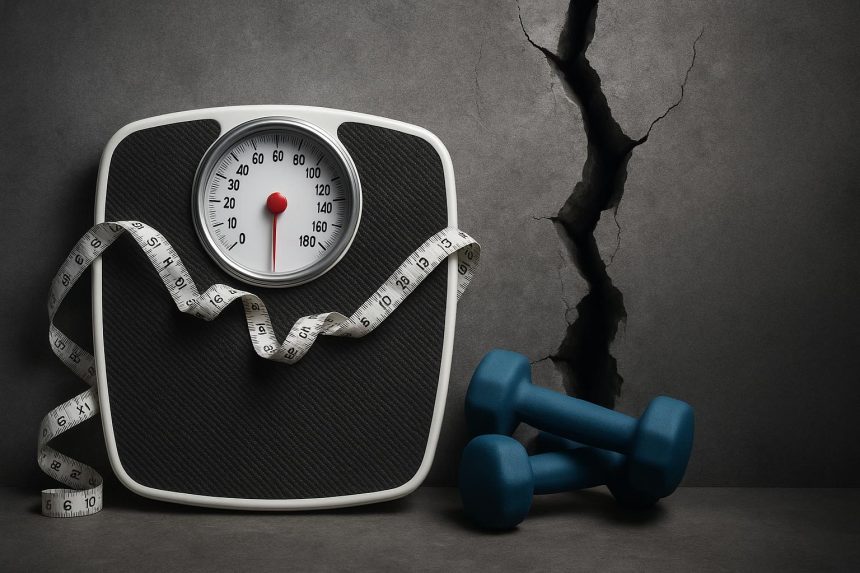
You’ve been cutting calories and hitting the cardio hard, but the scale won’t budge. This frustrating experience is called a weight loss plateau. It happens when your body adapts to your routine by slowing down your metabolism to preserve energy.
While plateaus are normal, they signal that it’s time to try new approaches. When traditional methods stop working, advanced interventions—ranging from metabolic boosters to GLP-1 agonists—offer solutions to restart the process.
This article explores proven strategies to overcome stalled progress, from adjusting your exercise routine to understanding the medical options available in the US.
Understanding the Weight Loss Plateau
A weight loss plateau occurs when the scale stops moving for three weeks or more, despite maintaining your diet.
Why Do Plateaus Happen?
- Metabolic Adaptation: As you lose weight, your body needs fewer calories to function.
- Set Point Theory: Your body fights to defend a certain weight range by increasing hunger hormones (Ghrelin) and decreasing calorie burn.
- Calorie Creep: We often underestimate our intake by 20-30% over time.
Comprehensive Strategies to Break the Stall
Before turning to compounds, ensure your foundation is solid.
- Protein Intake: Increase to 1.6–2.2g per kg of body weight to protect muscle mass (which burns more calories than fat).
- Switch Cardio: Swap steady-state cardio for HIIT (High-Intensity Interval Training) to trigger the “afterburn” effect.
- Sleep: 7-9 hours is non-negotiable. Poor sleep spikes cortisol, which promotes fat storage.
Advanced Interventions: Medical & Chemical Solutions
When lifestyle changes alone aren’t enough, many athletes turn to pharmacological support.
1. Semaglutide (The Appetite Regulator) Semaglutide mimics the hormone GLP-1, which regulates appetite and slows gastric emptying. It essentially “quiets” the food noise that causes plateaus.
- The Sourcing Issue: Due to massive popularity, local pharmacies are often out of stock. Consequently, many patients look for Semaglutide for sale through domestic online vendors to maintain their weekly dosing schedule without interruption.
2. Clenbuterol (The Metabolic Booster) Clenbuterol is a beta-2 agonist that acts as a powerful thermogenic. Unlike Semaglutide, which suppresses appetite, Clenbuterol works by raising the body’s core temperature to burn more calories at rest.
- The Reality: Despite the well-documented cardiovascular risks (jitters, increased heart rate), competitive bodybuilders often attempt to buy Clenbuterol specifically to push past the final, stubborn sticking point of a cut when their metabolism has otherwise crashed.
3. Tirzepatide (The Dual Agonist) This newer option targets both GLP-1 and GIP receptors. Clinical trials suggest it may offer even greater weight loss potential than Semaglutide, though it comes at a higher price point.
Sustaining Progress: The Long Game
Breaking the plateau is just the first step.
- Track Non-Scale Victories: Sometimes the scale doesn’t move because you are building muscle while losing fat (recomposition). Use a tape measure, not just a scale.
- Reverse Dieting: Once you reach your goal, slowly add calories back in (50-100 per week) to restore your metabolism without regaining fat.
Frequently Asked Questions
How long does a plateau last? A true plateau lasts 3-4 weeks. If it has been less than that, it might just be water retention.
Can I stack Semaglutide and Clenbuterol? This is generally not recommended. Semaglutide drastically lowers calorie intake, while Clenbuterol increases heart rate and energy expenditure. Combining them can place dangerous strain on the cardiovascular system.
Do I need a prescription? For GLP-1 agonists like Semaglutide and Tirzepatide, yes, a prescription is legally required in the US. Clenbuterol is not approved for human use in the US, making its legal status for weight loss complex.

Lynn Martelli is an editor at Readability. She received her MFA in Creative Writing from Antioch University and has worked as an editor for over 10 years. Lynn has edited a wide variety of books, including fiction, non-fiction, memoirs, and more. In her free time, Lynn enjoys reading, writing, and spending time with her family and friends.