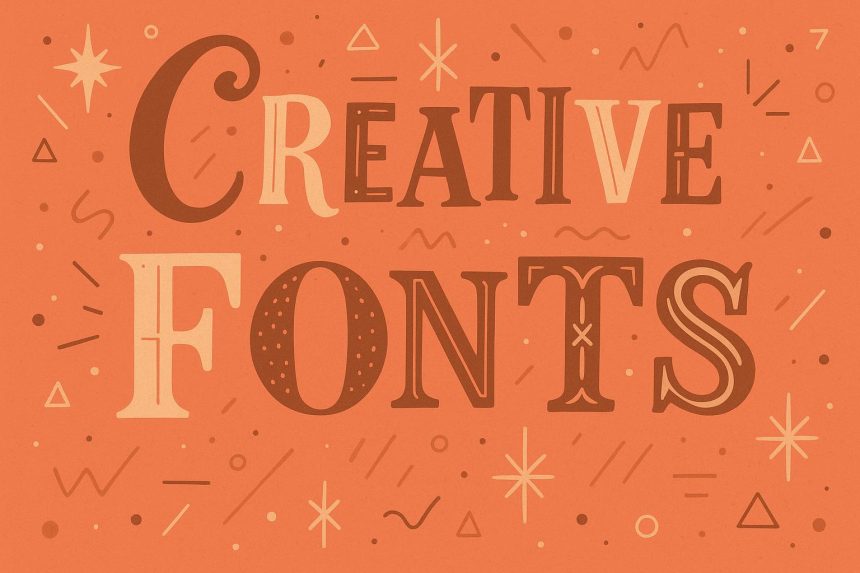
Creative fonts are fonts which have a special and eye-catching appearance or fashion. They may be ambitious, amusing, tender, creative, or maybe a bit unusual, relying on what you need. These fonts assist a layout feel fresh, current, and specific. When you operate innovative fonts, your words benefit persona and make your design more memorable. They also assist express emotion, temper, and message with much less attempt. Whether you are working on a brand, poster, internet site, or social media submit, innovative fonts can make your paintings stand out and look more professional.
Why Creative Fonts Matter
Creative fonts are important because they give life to simple text. A plain message can look exciting with the right font. These fonts help your design grab attention and keep the reader interested. They also help you show your style—whether it is fun, modern, warm, or bold. With creative fonts, your work becomes more memorable.
How Creative Fonts Change the Mood
The mood of a design changes when you use creative fonts. A playful font makes your design feel friendly. A bold and artistic font brings power. A soft handwritten font feels warm and personal. Each style brings a different emotion. Even simple words feel stronger when the letters have their own character. This small change can transform your full design.
Fonts in Digital and Print Design
Creative fonts work in websites, posters, banners, logos, and social media posts. On digital screens, they add charm and freshness. In print, they make headlines stand out. When used well, they guide the reader and make the message clear. But it is important to choose styles that still stay readable, because balance matters in every design.
Choosing Creative Fonts for Your Message
Your message decides what type of creative fonts you should use. If you want a fun tone, use rounded or playful styles. If you need a serious but stylish feel, pick clean artistic fonts. For handmade or warm designs, handwritten styles work well. When the font matches the message, the viewer connects faster and understands the tone better.
Fonts and Reading Comfort
A creative font should look cool but also stay readable. If the style is too fancy, the reader may get confused. Simple creative fonts are the best because they look special but still keep the text smooth. Many designers mix a creative font for the title and a simple font for the rest of the text. This makes the full design easy to read and pleasant to look at.
Trends in Creative Fonts Today
Today’s design world loves clean but artistic creative fonts. Styles with soft curves, rounded edges, and simple shapes are very popular. Retro fonts are making a comeback because they bring a warm and nostalgic feel. Handwritten fonts are trending too, as they add personality and charm. These styles show that people enjoy fonts that feel friendly, modern, and natural.
How Creative Fonts Make Your Work Stronger
When you choose the right creative fonts, your design becomes more powerful. The colors and layout matter, but the font adds the final emotion. It helps the viewer understand the mood in seconds. A good creative font can make a poster look exciting, a logo look stylish, or a social post look fresh. Your design becomes more appealing and clear.
Fonts and Brand Identity
Creative fonts can even shape how a brand looks and feels. A brand that wants a youthful vibe may use bold playful fonts. A luxury brand may use artistic and elegant fonts. A tech brand may choose modern and geometric styles. When the font matches the brand identity, people start remembering the look. This builds trust and creates a strong visual connection.
Conclusion
Creative fonts bring style, emotion, and life to every design. They change the mood, help your message stand out, and make your work look beautiful and unique. When used with care, they create balance and improve readability. With the right creative fonts, your designs feel clearer, stronger, and full of personality.

Lynn Martelli is an editor at Readability. She received her MFA in Creative Writing from Antioch University and has worked as an editor for over 10 years. Lynn has edited a wide variety of books, including fiction, non-fiction, memoirs, and more. In her free time, Lynn enjoys reading, writing, and spending time with her family and friends.