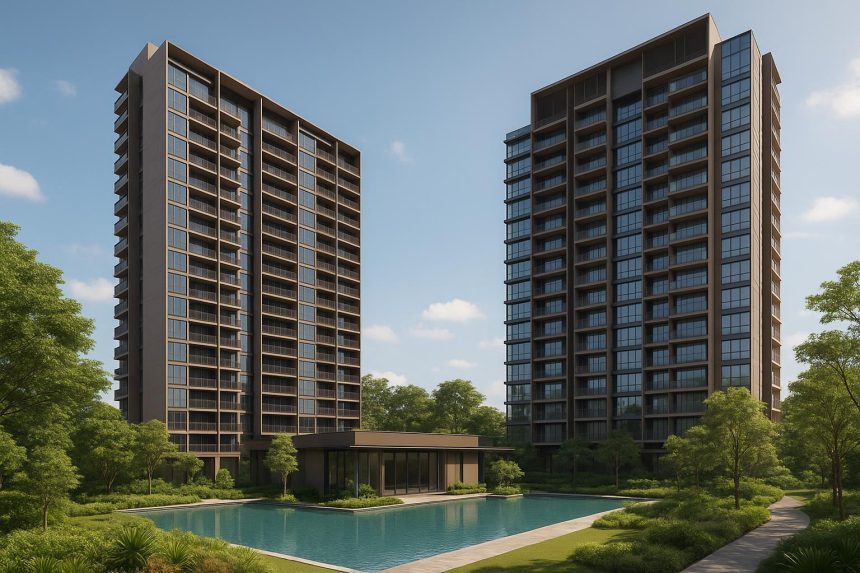
Singapore’s residential property landscape continues to evolve, with homebuyers placing greater emphasis on how well a development supports everyday needs, lifestyle expectations, and long-term livability. Among the developments gaining attention for its thoughtful approach to city-fringe living is Lentor Gardens Residences — a condominium project that blends functional design, connectivity, and community-oriented features into a cohesive residential environment. This article delves into what makes this development a compelling option for those seeking a practical and future-ready home in Singapore.
Strategic City-Fringe Location
Location remains one of the most important factors influencing residential decisions in Singapore’s high-density urban setting. Lentor Gardens Residences is strategically positioned in a city-fringe precinct that offers a balanced residential experience — close enough to key transport links and employment hubs, yet removed from the constant hustle and noise of the central districts. This positioning appeals to families and professionals alike, as it facilitates easy daily commuting while supporting a quieter home environment.
Connectivity is a major contributor to the appeal. Being near major transport routes and public transit nodes allows residents to access key parts of Singapore with relative ease, whether commuting for work, attending school, or participating in recreational activities. This level of accessibility significantly enhances quality of life and makes the development more attractive to a broad range of buyers.
Thoughtful Unit Layouts and Spatial Planning
A condominium’s internal planning is central to its functionality, and Lentor Gardens Residences places a strong emphasis on efficient unit layouts that maximize usability. In high-density urban markets, smart spatial design often matters more than raw floor area because it determines how comfortably residents can live, move, and adapt their homes to changing needs.
Units at this development are arranged to ensure logical spatial flow, with living and dining areas positioned to capture natural light and promote connectivity within the home. Bedrooms are typically placed in quieter zones, away from primary circulation paths, to enhance privacy and rest. This spatial logic supports a range of daily activities without unnecessary disruption.
Beyond these fundamental principles, the layouts are designed with flexibility in mind. Flexible zones and multipurpose spaces can be adapted for remote work, study corners, or leisure use without requiring major alterations. This adaptability is increasingly relevant for modern households that juggle diverse functions within the same living environment.
Natural Light, Ventilation, and Environmental Comfort
Environmental comfort is a subtle yet critical aspect of condominium living that directly impacts daily satisfaction. Good natural light and ventilation improve indoor living conditions, reduce the need for artificial lighting, and enhance overall well-being. Many units within the development are designed to take advantage of window placements that allow sunlight to penetrate deep into living areas, creating bright, uplifting interiors.
Cross-ventilation strategies are also incorporated into the unit design to enhance airflow throughout the home. This thoughtful approach to environmental comfort aligns with Singapore’s tropical climate, where optimizing airflow and minimizing heat buildup are essential for year-round comfort. Prospective buyers often cite these elements as essential criteria when evaluating properties for long-term residence.
Integrated Communal Amenities that Support Daily Life
Modern condominium developments are judged not just by their private units but by the quality and practicality of their communal spaces. The designers of Lentor Gardens Residences have integrated shared facilities that support a wide range of resident needs, from fitness and leisure to relaxation and social interaction.
Landscaped gardens and outdoor lounges provide residents with green spaces to unwind and connect with nature, while fitness facilities and recreational zones promote active lifestyles. These shared spaces are thoughtfully positioned to encourage frequent use, reinforcing their role as extensions of private living areas rather than decorative afterthoughts.
Multipurpose lounges and social nodes offer venues for neighbourly interaction and informal gatherings, fostering a sense of community within the development. This social dimension enhances the residential experience and contributes to long-term satisfaction among residents.
Proximity to Essential Services and Daily Conveniences
Practical access to essential services is a key consideration for long-term residential satisfaction, and Lentor Gardens Residences benefits from its proximity to a range of daily conveniences. Nearby schools, healthcare facilities, retail outlets, and dining options reduce the need for lengthy travel for routine errands and family logistics.
For families with children, access to reputable schools within reasonable commuting distance is a major factor in residential decision-making. Being near educational institutions simplifies school runs and after-school activities, making daily life more predictable and manageable.
Similarly, easy access to healthcare services and retail clusters adds another layer of convenience that enhances the overall residential experience. These elements contribute to a neighbourhood ecosystem where essential needs are met efficiently, reinforcing the appeal of the development for a wide demographic range.
Balancing Urban Amenities with Residential Tranquility
A common challenge in urban residential planning is finding the right balance between proximity to dynamic city amenities and the tranquillity desirable in a home environment. Lentor Gardens Residences addresses this challenge by situating itself in a precinct that delivers both — strong connectivity to urban opportunities and a calm residential setting.
Unlike central districts where noise and congestion can detract from residential comfort, city-fringe locations like this offer breathing space without isolating residents from work, leisure, or social nodes. This balance is particularly attractive to those who value both convenience and quality of life, making the development relevant for diverse living preferences.
Future-Focused Planning and Long-Term Value
Beyond immediate practicality, many buyers today consider long-term value and sustainability when choosing a property. Developments located in precincts with ongoing infrastructure investment and community improvements often benefit from sustained demand and stable value retention.
The broader neighbourhood surrounding the development is anticipated to see continued enhancements in connectivity, community services, and lifestyle offerings. This potential for future growth contributes to the development’s position as a viable long-term residential choice — not just a short-term purchase.
Properties that combine thoughtful design, strategic location, and community planning tend to maintain stronger demand from both owner-occupiers and investors. This resilience makes Lentor Gardens Residences a compelling option for those seeking a home that remains relevant and desirable through changing lifestyle norms and evolving market conditions.
Practical Considerations for Prospective Buyers
A comprehensive evaluation of any condominium should consider several practical factors:
• Spatial efficiency: Does the layout maximize usable space and support daily routines?
• Environmental comfort: Does natural light and ventilation support healthy living?
• Amenity use: Are shared facilities easy to access and conducive to regular engagement?
• Connectivity: How well does the location integrate with transport and lifestyle options?
• Adaptability: Can the home adapt to future changes in household needs?
By assessing these aspects, buyers can form a balanced view of how well a development aligns with both current lifestyle preferences and future expectations.
Conclusion: A Residential Option Grounded in Practical Value
Lentor Gardens Residences stands out in Singapore’s condominium market for its integrated approach to residential design and livability. By combining functional unit layouts, environmental comfort, thoughtfully planned communal amenities, and strategic access to essential services, the development speaks to the practical needs of contemporary urban homebuyers. Its city-fringe positioning further enhances its appeal, offering residents both accessibility and residential tranquillity.
In a market where residential decisions increasingly hinge on practical usability and long-term relevance, this project presents a balanced and future-focused choice. Whether considered for long-term home life or sustained investment potential, the development demonstrates how thoughtful planning and contextual awareness can create a living environment that supports everyday life and evolving lifestyle goals.

Lynn Martelli is an editor at Readability. She received her MFA in Creative Writing from Antioch University and has worked as an editor for over 10 years. Lynn has edited a wide variety of books, including fiction, non-fiction, memoirs, and more. In her free time, Lynn enjoys reading, writing, and spending time with her family and friends.