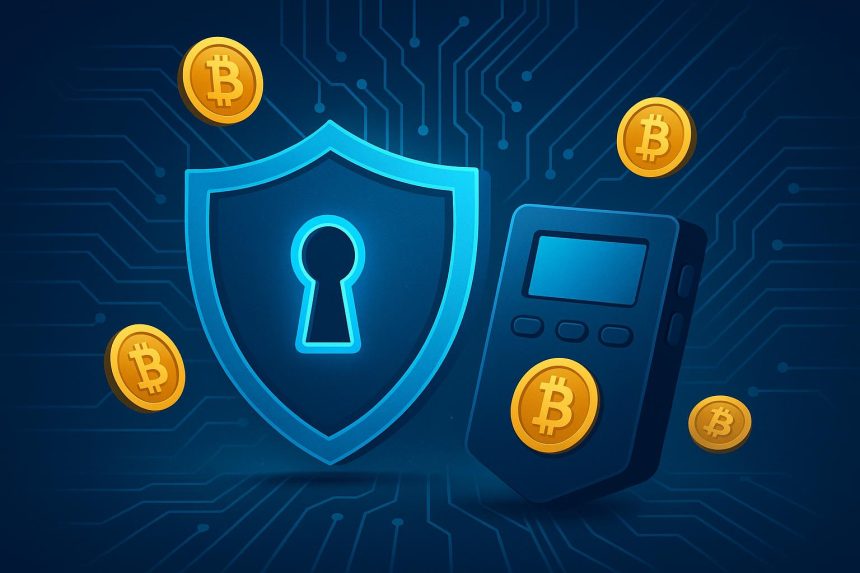
The digital economy is expanding at an unprecedented pace, opening new avenues for investment, commerce, and financial independence. With this rapid growth, however, come inherent risks such as cyber threats, fraud, and mismanagement of digital assets, which can compromise both security and control. A crypto wallet provides a secure gateway to the blockchain, enabling users to store, manage, and transfer digital currencies safely. Beyond mere storage, modern wallets offer advanced tools to monitor holdings, execute transactions efficiently, and implement layered security measures. They empower investors to operate independently of centralized institutions, ensuring transparency, privacy, and autonomy in financial decision-making.
By combining security measures with intuitive controls, wallets are redefining how individuals interact with digital currency.
Advanced Security Mechanisms Safeguard Digital Assets
Security is the foundation of any effective digital asset management strategy, and wallets employ advanced mechanisms to ensure your funds remain protected at all times.
- Private Key Encryption: The backbone of wallet security is its private key system. Only the wallet owner can authorize transactions. Private keys act as the ultimate control mechanism. By encrypting these keys and storing them securely, wallets prevent unauthorized access, ensuring users maintain full control over their assets.
- End-to-End Transaction Encryption: Communication between the wallet interface and blockchain networks is fully encrypted. This ensures that sensitive data remains confidential during transfers. Even if a network is compromised, transactions remain secure and tamper-proof.
- Multi-Factor Authentication: Wallets use layered security measures, including biometrics, PIN codes, and verification apps. Multiple authentication steps create a strong defense against hacking, ensuring that only verified users can access and manage their funds.
With these robust security layers in place, users can confidently manage their digital assets, knowing that threats from unauthorized access or cyber attacks are minimized.
Direct Control Over Asset Management
Beyond security, control over digital assets is equally critical, and wallets empower users to take full ownership of their financial operations.
- Sovereign Ownership: Users maintain exclusive control of their funds without intermediary oversight. Unlike centralized exchanges, wallets allow investors to execute transactions independently. This direct control reduces the risk of funds being frozen or mismanaged by external parties.
- Custom Transaction Settings: Wallets enable limits, approvals, and multi-signature options for asset movement. By allowing personalized transaction parameters, users can regulate access to funds, enforce accountability in joint accounts, and enhance operational security.
- Audit and Transparency Tools: Every transaction is recorded on the blockchain and accessible only to authorized users. Blockchain-based records provide a transparent trail of all financial activity while safeguarding privacy, reinforcing user control over asset management.
By offering sovereignty, customizable transaction settings, and transparent audit trails, wallets ensure that investors remain the ultimate authority over their assets.
Protection Against Cyber Threats and Financial Fraud
In the digital age, cyber threats and financial fraud pose significant risks, making proactive protection mechanisms essential for any wallet user.
- Phishing and Malware Defense: Wallets incorporate advanced threat detection to prevent unauthorized access. Features such as link verification, secure software isolation, and phishing alerts reduce the risk of malware attacks, keeping user assets protected from common digital threats.
- Cold Storage for Long-Term Security: Hardware wallets store assets offline, away from internet access. By disconnecting funds from online networks, cold storage prevents cyber intrusions and maintains strict control over asset access.
- Continuous Security Updates: Wallet software receives frequent patches to address vulnerabilities. Regular updates ensure wallets evolve with emerging cyber threats, maintaining optimal protection and user confidence in managing digital assets.
Continuous monitoring, offline storage options, and timely security updates help users maintain strict control while safeguarding their assets from evolving digital threats.
Streamlined Control of Portfolio and Transactions
Efficient asset management requires more than security; it also demands seamless oversight and streamlined transaction capabilities.
- Multi-Currency Management: Wallets support a variety of cryptocurrencies in a single interface. Consolidating multiple assets allows users to monitor and manage their portfolio efficiently, reducing the complexity of juggling separate accounts.
- Real-Time Analytics for Decision-Making: Wallets provide insights on holdings, performance, and transaction history. Instant access to portfolio analytics empowers users to make informed decisions and strategically control their financial activities in the digital economy.
- Efficient Transaction Execution: Wallets enable seamless sending, receiving, and swapping of digital assets. Quick execution ensures that users maintain control over financial operations while minimizing delays or risks associated with slow or complicated processes.
By combining multi-currency support, real-time analytics, and swift transaction execution, wallets enhance both convenience and control in day-to-day portfolio management.
Strengthening Privacy and Autonomy in the Digital Economy
Privacy and autonomy are integral to achieving true financial control in the decentralized digital economy.
- Decentralized Ownership Model: Wallets operate independently of banks or central authorities. This independence enhances financial autonomy, allowing users to retain control over their wealth without relying on intermediaries.
- Privacy-Preserving Features: Advanced wallets support transaction anonymization and address obfuscation. Protecting user identities and transaction patterns prevents external monitoring or misuse, giving investors full discretion over their digital activity.
- Long-Term Asset Security: Wallets provide recovery mechanisms, multi-signature approvals, and secure backups. These features ensure that assets remain protected even in the event of human error or device loss, reinforcing both security and control in financial management.
Through decentralized ownership, privacy-preserving features, and long-term security mechanisms, wallets empower users to maintain discretion, independence, and lasting control over their assets.
Final Thoughts
In the digital economy, maintaining both security and control is essential for successful asset management. A crypto wallet provides a robust solution by combining encrypted storage, direct control, threat protection, and portfolio management tools. By empowering users to safeguard their funds and manage transactions independently, wallets are redefining how investors interact with digital currencies.
For those looking to strengthen their financial autonomy while navigating the digital landscape, Walleti offers innovative solutions that make asset management secure, efficient, and fully under user control. By integrating tools compatible with a beginner-friendly crypto exchange, users can seamlessly manage, trade, and track their assets in one platform. This ensures both confidence and convenience, empowering investors to navigate the digital economy with complete oversight and security.

Lynn Martelli is an editor at Readability. She received her MFA in Creative Writing from Antioch University and has worked as an editor for over 10 years. Lynn has edited a wide variety of books, including fiction, non-fiction, memoirs, and more. In her free time, Lynn enjoys reading, writing, and spending time with her family and friends.