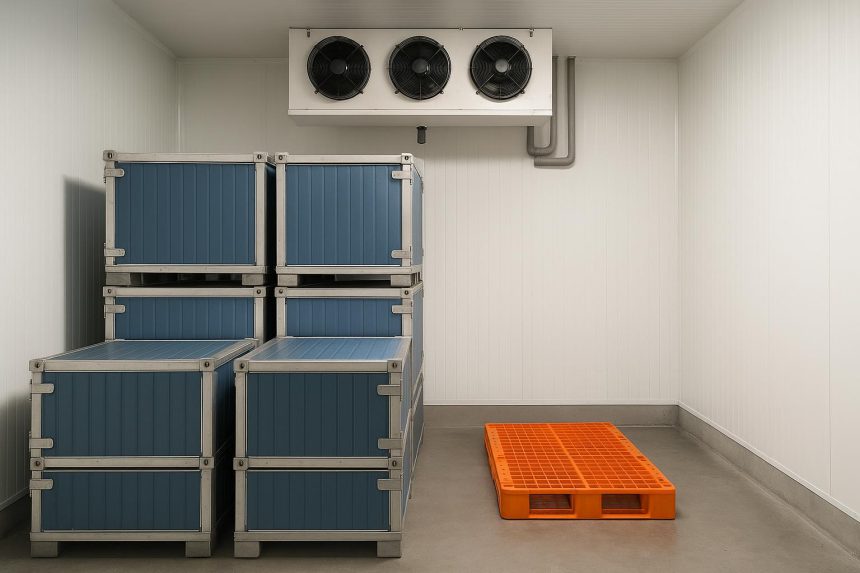
In a world where perishables rule the shelves, the reliability of cold storage is paramount. From restaurants to food distribution centers, many industries depend on refrigeration to ensure product quality and safety. However, emergencies can arise unexpectedly, whether due to equipment failure, power outages, or unanticipated demand surges. Understanding how to navigate these situations can mitigate losses and maintain operational integrity.
Recognizing the Signs of Crisis
When cold storage malfunctions or becomes inadequate, the first step is acknowledging the signs of a crisis. These can include:
- Temperature Fluctuations: Any significant deviation from the designated temperature range should raise red flags. Perishable items like meat, dairy, and certain vegetables can become unsafe if not kept within optimal conditions.
- Unexpected Inventory Increases: Seasonal demand spikes or sudden order influxes can strain existing storage solutions.
- Equipment Failure: Refrigerators and freezers can break down for various reasons. Regular maintenance checks can help, but not all failures are predictable.
In any of these scenarios, acting swiftly is crucial. The longer items sit at unsafe temperatures, the more likely spoilage or contamination occurs.
Immediate Steps to Take
Once a potential crisis surfaces, there are immediate actions you can take:
- Assess the Situation: Gather your team and evaluate the extent of the issue. How much product is at risk? What are the expected temperatures over the next few hours? This data will guide your next steps.
- Implement Safety Protocols: If temperatures are above safe levels, segregate affected items to prevent cross-contamination. Proper labeling can help inhibit the use of compromised products.
- Contact Secondary Solutions Providers: In many cases, reaching out to emergency cold storage providers can be the fastest fix. Options may include renting cold storage units or mobile refrigeration trailers that can be deployed quickly. If you’re interested in exploring these options, you can learn more about emergency solutions that fit your needs.
Exploring Temporary Options
While your existing storage solutions might be down, short-term options can help maintain your operations without major interruptions.
Mobile Refrigeration Units
Temporary mobile refrigeration solutions can be a lifesaver. These units, like refrigerated trailers or portable cold rooms, allow you to transfer your stock quickly while maintaining the necessary temperature.
- Benefits of Mobile Refrigeration:
- Flexibility: You can place these units wherever they’re needed most.
- Speed: They can often be deployed quickly, allowing you to minimize disruption.
- Variety: Units come in different sizes, accommodating various storage needs.
Companies specializing in emergency cold storage often have quick turnaround times, which is nothing short of imperative in a crisis.
On-Site Solutions
If the emergency persists or if the timeframe for repairs extends beyond a day, consider on-site solutions:
- Create Temporary Cold Areas: If possible, designate cooler spaces in your facility. Using ice packs and coolers can help maintain product integrity for short periods.
- Plan for Ventilation: In some scenarios, if a power failure is the issue, opening doors to the freezer might help cool things down slightly until backup systems engage.
Partnering with Existing Suppliers
Your current suppliers may have agreements that could assist in emergencies. Whether it’s transferring stock to a sister facility or borrowing equipment, leveraging existing relationships can streamline your response.
Long-Term Preparedness
Once the immediate threat has been mitigated, it’s time to look ahead. Establishing a robust emergency plan can significantly reduce downtime and financial loss in the future.
Regular Training and Drills
Conduct drills to familiarize your team with emergency protocols. Such training helps instill confidence and enables quicker decision-making during actual crises.
Investing in Technology
Utilizing real-time monitoring systems can alert you to temperature changes before they escalate. These systems also track historical data, making it easier to spot trends and preemptively address issues.
Maintenance and Upgrades
Regularly scheduled maintenance on your refrigeration equipment is crucial. Often, emergencies can be avoided with simple checks and timely upgrades to older units. Make a commitment to inspect and update your equipment to stay ahead of potential failures.
Building Relationships
Fostering relationships with emergency cold storage providers ensures you have rapid access to backup solutions when crises strike. Investigate local options and keep contact information readily available.
Conclusion
Unexpected cold storage needs can pose significant challenges, but quick thinking and pre-planned strategies can make a notable difference. Recognizing the signs of an impending crisis, acting swiftly to mitigate damage, exploring temporary solutions, and establishing long-term preparedness strategies create a proactive framework for safeguarding your products.
Whether you rely on mobile refrigeration units, temporary cold areas, or maintain strong supplier connections, each choice plays a pivotal role in managing cold storage emergencies effectively. As the saying goes, “An ounce of prevention is worth a pound of cure.” Investing in proactive strategies will pay dividends when the unexpected arises.

Lynn Martelli is an editor at Readability. She received her MFA in Creative Writing from Antioch University and has worked as an editor for over 10 years. Lynn has edited a wide variety of books, including fiction, non-fiction, memoirs, and more. In her free time, Lynn enjoys reading, writing, and spending time with her family and friends.