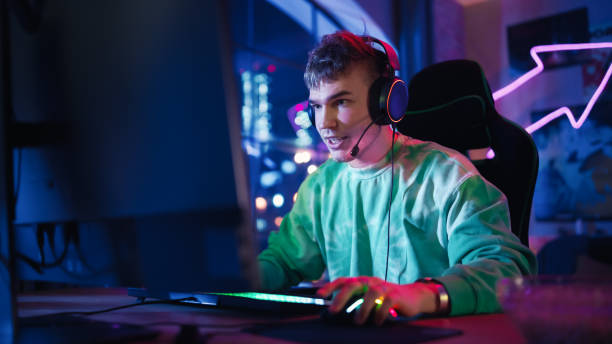
Have you ever played an online game and thought about how players buy, sell, earn, and save items just like in real life? online slots today is not just about playing for fun. It has grown into a space where digital items carry value, skills turn into income, and communities support their own economic systems. These systems are known as virtual economies, and they are shaping how people interact, trade, and spend time online in a very natural way.
The Idea Of Virtual Economies In online slots
Online games often include systems where players earn coins, points, or items through regular play. These systems slowly turn into full economic setups that feel familiar and easy to understand.
Virtual economies grow when players trust the system and enjoy taking part in it. People trade items, collect rare objects, and plan their activities based on value, just like everyday market habits.
How Virtual Money Works Inside Games
Virtual money usually comes as coins, credits, or tokens that players earn by completing tasks or taking part in activities. This money helps players unlock features, buy items, and improve their gameplay. Over time, players start understanding value, savings, and spending habits inside the game.
This process feels natural because it mirrors daily life. Players choose how to earn, how much to save, and when to spend. These simple actions help the virtual economy stay active and balanced.
Player Participation And Economic Flow
The strength of a virtual economy depends on player participation. When players trade fairly, communicate openly, and respect in-game systems, the economy stays healthy. Each action adds movement, which keeps the system lively and enjoyable.
Games often reward regular activity, which helps maintain steady economic flow. This creates a positive cycle where effort feels meaningful and time spent feels worthwhile.
Digital Assets And Their Growing Value
Digital assets are items that players own inside games. These can include skins, tools, characters, or land-like spaces. Ownership gives players a sense of pride and control, making the experience feel personal.
Digital assets gain value through rarity, usefulness, and player interest. When players care about these items, the economy becomes more active and social.
Ownership And Player Identity
Owning digital assets helps players express themselves. A rare outfit or special item often shows effort, creativity, or experience. This builds identity and connection within the game community.
Players enjoy showing what they have earned, and this sharing strengthens bonds. It also supports trading and fair exchange, which keeps the economy active.
Trading And Player-To-Player Exchange
Trading allows players to exchange assets based on mutual interest. This builds trust and cooperation. Players learn how to negotiate, communicate clearly, and make thoughtful choices.
These exchanges feel rewarding because they involve real effort and interaction. Over time, trading becomes a social activity that supports friendships and teamwork.
How Virtual Economies Support Skills And Creativity
online slots encourages skills like planning, communication, and decision-making. Virtual economies support these skills by giving players meaningful choices.
Players often manage resources, plan long-term goals, and adapt to changes. These habits develop naturally through regular play and interaction.
Creativity Through Customization
Customization allows players to shape their experience. Creating unique items or spaces adds creativity to the economy. Players enjoy adding personal touches, which increases engagement.
Creative freedom also supports trade, as unique items often attract interest. This keeps the economy fresh and exciting without pressure.
Learning Through Play
Virtual economies offer learning in a relaxed way. Players understand basic economic ideas like value, demand, and fairness through play. These lessons feel simple and friendly.
Learning happens naturally because players enjoy the process. There is no stress, only curiosity and growth.
Community Role In Shaping Digital Markets
Communities play a key role in shaping virtual economies. Shared rules, respect, and communication help systems stay balanced.
Players often help each other by sharing tips, guiding newcomers, and supporting fair trade. This builds trust and keeps the environment welcoming.
Social Trust And Cooperation
Trust allows players to trade confidently. When players feel safe, they participate more freely. Cooperation leads to shared success and long-term enjoyment.
Positive communication supports healthy markets. Friendly behavior makes trading smooth and enjoyable for everyone involved.
Events And Shared Activities
Special events bring players slot gacor together and increase economic activity. These moments encourage participation and shared goals.
Events often introduce new items or opportunities, keeping interest high. Players enjoy working together and celebrating achievements.
Real Value From Digital Effort
Many players see digital assets as results of real effort. Time, skill, and creativity contribute to their value.
This sense of effort creates respect for digital ownership. Players feel proud of what they earn and enjoy managing their collections.
Time Investment And Reward
Time spent playing leads to rewards that feel meaningful. Players appreciate systems that respect effort and dedication.
Balanced rewards keep players motivated and satisfied. This supports long-term involvement and stable economic growth.
Fair Systems And Player Confidence
Fair rules help players feel confident. When systems are clear, players trust the economy and take part openly.
Confidence encourages exploration and participation. This keeps the experience enjoyable and positive.
Technology And Smooth Economic Systems
Technology helps virtual economies function smoothly. Secure systems track ownership and support fair exchange.
Players enjoy experiences that feel reliable and easy to use. Smooth systems allow focus on fun and creativity.
Secure Ownership Records
Clear records help players know what they own. This clarity supports trust and long-term involvement.
Reliable tracking also helps avoid confusion and supports fair play.
Smooth Transactions
Fast and simple transactions make trading enjoyable. Players appreciate systems that respect their time.
Smooth processes encourage regular participation and positive interaction.
The Future Of Virtual Economies In Gaming
Virtual economies continue to grow as players seek meaningful experiences. These systems support creativity, connection, and learning.
As slot online terpercaya games evolve, economies become more player-focused and community-driven. This keeps experiences fresh and enjoyable.
Growing Player Awareness
Players understand value better over time. This awareness supports fair trade and thoughtful decisions.
Better understanding leads to stronger economies and happier communities.
Social Connection And Shared Growth
Virtual economies support shared growth. Players grow together, learn together, and celebrate together.
This shared progress keeps gaming enjoyable and meaningful for people from all walks of life.
online slots has created spaces where effort feels valued, creativity feels natural, and community feels close. Virtual economies and digital assets bring people together in simple and enjoyable ways, making gaming a comfortable part of daily life for many players.

Lynn Martelli is an editor at Readability. She received her MFA in Creative Writing from Antioch University and has worked as an editor for over 10 years. Lynn has edited a wide variety of books, including fiction, non-fiction, memoirs, and more. In her free time, Lynn enjoys reading, writing, and spending time with her family and friends.