Many industries rely on employees who work alone for extended periods of time. From healthcare professionals and maintenance engineers to delivery drivers and security staff, lone workers play an essential role in many organisations. However, working without direct supervision can expose employees to unique risks.
In recent years, advances in safety technology have significantly improved how employers protect lone workers and respond quickly when incidents occur. Understanding these risks and the tools available to manage them is increasingly important for businesses that employ staff who work independently.
What Defines a Lone Worker
A lone worker is someone who performs their job without direct supervision or immediate support from colleagues. This can occur in many situations, including employees working remotely, travelling between locations, or carrying out tasks in isolated environments.
Common examples of lone workers include:
- field service engineers
- healthcare professionals making home visits
- delivery drivers
- security personnel
- maintenance and utilities workers
Although many lone workers operate safely every day, their isolated working conditions mean that assistance may not be immediately available if something goes wrong.
Risks Associated With Lone Working
Working alone can present a number of safety challenges depending on the industry and environment. These risks may include accidents, health emergencies, environmental hazards, or even confrontations with members of the public.
Without colleagues nearby, incidents that would normally be managed quickly can become more serious if assistance is delayed. For example, a slip, fall, or sudden medical issue may leave a worker unable to call for help without the appropriate safety measures in place.
This is why employers must assess the potential hazards associated with lone working and ensure that appropriate control measures are implemented.
Legal Responsibilities of Employers
In the UK, employers have a legal duty under the Health and Safety at Work Act to protect employees, including those who work alone. Organisations must carry out risk assessments, identify potential hazards, and implement procedures that minimise risks to workers operating independently.
This may include establishing check-in procedures, providing training, and ensuring that staff have access to appropriate safety equipment. Employers must also ensure that emergency response procedures are in place so that assistance can be provided quickly if an incident occurs.
Technology Used to Protect Lone Workers
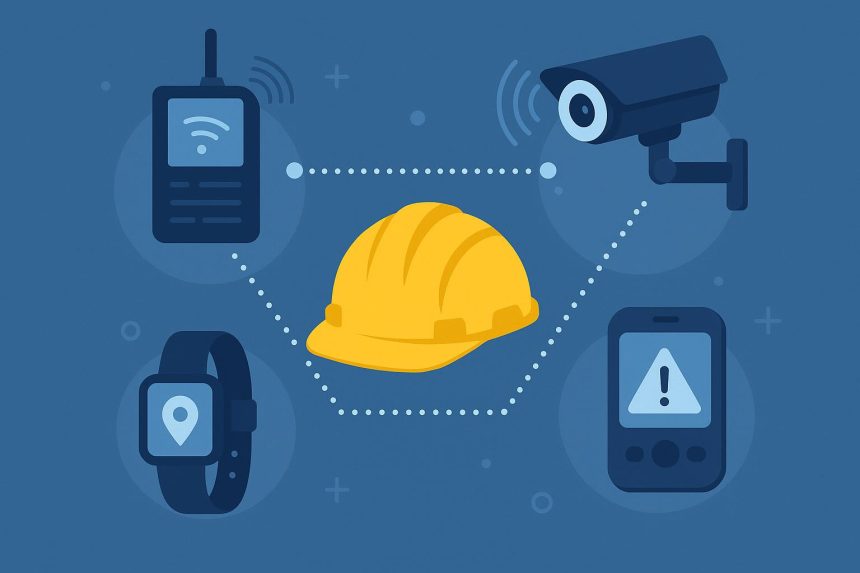
Technology now plays an important role in supporting lone worker safety. Many organisations now rely on lone worker devices that allow employees to raise an alarm quickly and share their location if they encounter danger while working alone.
These devices often include features such as panic alarms, fall detection, GPS location tracking, and two-way communication. In an emergency, the device can alert a monitoring centre or designated contacts so that assistance can be dispatched quickly.
By providing a reliable way for workers to signal distress, these tools help organisations maintain contact with employees who may otherwise be difficult to reach during an incident.
How Safety Solutions Reduce Response Times
One of the biggest challenges associated with lone working is ensuring that help can be provided quickly when it is needed. Delays in response can significantly increase the severity of incidents, particularly in situations involving injury or medical emergencies.
Modern safety technologies help reduce response times by automatically triggering alerts and providing precise location data when an alarm is activated. This enables organisations to respond faster, coordinate assistance, and ensure that employees receive support when they need it most.
As workplaces continue to evolve and more roles involve remote or independent working, technology will remain an important tool in helping organisations protect their workforce and maintain safe working environments.

Lynn Martelli is an editor at Readability. She received her MFA in Creative Writing from Antioch University and has worked as an editor for over 10 years. Lynn has edited a wide variety of books, including fiction, non-fiction, memoirs, and more. In her free time, Lynn enjoys reading, writing, and spending time with her family and friends.