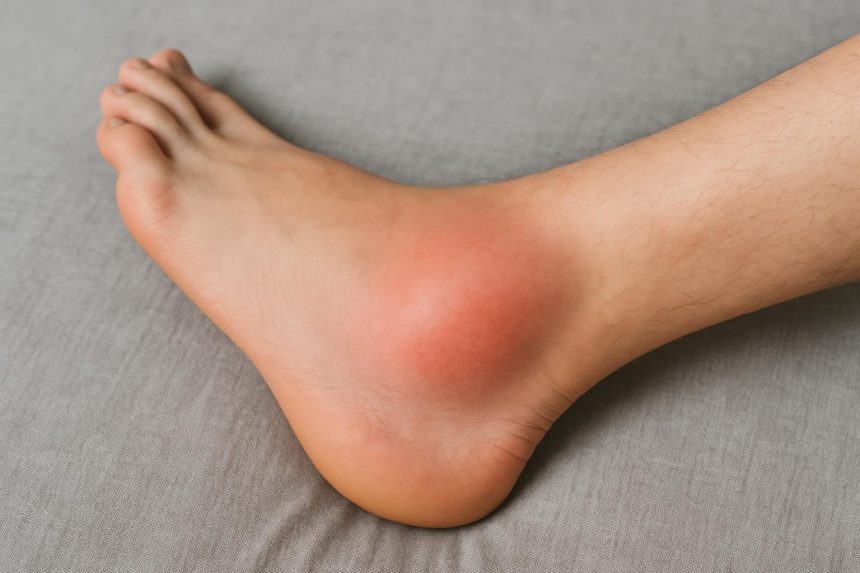
Swelling after an injury is a normal part of the body’s healing process and usually lasts anywhere from a few days up to two weeks, depending on the severity of the injury. Minor injuries, like small bruises or mild sprains, often see swelling reduce within a few days, while more serious injuries, such as fractures or severe ligament tears, can cause swelling that persists for one to two weeks or longer. The swelling occurs because the body sends extra blood and fluids to the injured area to repair damaged tissues. While some puffiness is expected, persistent, worsening, or unusually painful swelling may indicate a more serious problem that requires Inpatient Care in Del Rio for proper treatment and monitoring.
Typical Duration of Swelling
Swelling is a normal response after an injury, but how long it lasts depends on the severity and type of injury. Knowing typical timelines helps you recognize what’s normal and when to get checked.
- Mild injuries: Swelling may last 2 to 3 days and usually improves with rest, ice, compression, and elevation (R.I.C.E. method).
- Moderate injuries: Sprains or strains might cause swelling for up to one week, often with stiffness, bruising, or mild discomfort.
- Severe injuries: Fractures, severe sprains, or deep tissue injuries can cause swelling that lasts two weeks or longer and may require medical evaluation or imaging.
- Residual swelling: Mild puffiness can remain even after pain subsides, especially in joints like the ankle or knee, and can be influenced by activity or prolonged standing.
Swelling usually decreases gradually rather than disappearing all at once. If it persists or worsens, it may require a visit to an emergency room near me for proper evaluation.
When Swelling Needs Medical Help
While some swelling is normal, there are warning signs that indicate you should seek professional care:
- Swelling that doesn’t improve: If swelling persists beyond two weeks without noticeable reduction, it may indicate an underlying problem.
- Rapidly increasing swelling: Sudden worsening of swelling could suggest a serious injury, such as a blood clot or infection.
- Severe pain or difficulty moving: Inability to bear weight, bend, or use the affected area is a red flag.
- Signs of infection: Redness, warmth, pus, or fever alongside swelling should prompt immediate medical evaluation.
- Numbness or tingling: This could indicate nerve involvement or compartment syndrome, a serious condition requiring urgent treatment.
- Need for professional care: If swelling is persistent or severe, it’s wise to visit a facility like STAT Specialty Hospital where doctors can provide proper evaluation and treatment.
How to Reduce Swelling
Most minor injuries can be managed at home using simple methods to control swelling and promote faster healing. Following these steps can help reduce discomfort and prevent further complications:
- Over-the-counter medications: Nonsteroidal anti-inflammatory drugs (NSAIDs) like ibuprofen can help reduce inflammation and pain, but use them only when prescribed or approved by a doctor.
- R.I.C.E. Method (Medical Supervision): Rest, Ice, Compression, and Elevation can be guided by a healthcare provider, especially for severe injuries, to ensure proper technique and avoid complications.
- Prescription Anti-Inflammatories: For significant swelling, a doctor may prescribe stronger anti-inflammatory medications or corticosteroids to reduce inflammation more effectively.
- Medical-Grade Compression: A physician may recommend specially fitted compression sleeves or bandages to control swelling in cases of severe contusions or underlying vascular issues.
- Physical Therapy: If swelling is accompanied by joint stiffness or muscle injury, supervised therapy can help reduce fluid buildup and restore movement safely.
When to Go to the ER
Swelling after an injury can sometimes indicate a serious problem that needs immediate attention. Knowing when to seek emergency care can prevent complications and ensure proper treatment.
- Severe or rapidly worsening swelling: Swelling increases suddenly or becomes very painful.
- Difficulty moving or bearing weight: You cannot use the affected joint or limb normally.
- Signs of infection: Redness, warmth, pus, or fever appear alongside swelling.
- Numbness or tingling: These symptoms may indicate nerve involvement or a serious condition requiring urgent care.
Key Takeaway
- Swelling is a normal part of healing and usually lasts a few days to two weeks depending on injury severity.
- Mild injuries often improve with home care using rest, ice, compression, and elevation (R.I.C.E.).
- Persistent, worsening, or unusually painful swelling may indicate a more serious issue.
- Seek medical attention if swelling doesn’t improve, is severe, or is accompanied by numbness, redness, or fever.
- Listening to your body and acting promptly ensures a safer and faster recovery.

Lynn Martelli is an editor at Readability. She received her MFA in Creative Writing from Antioch University and has worked as an editor for over 10 years. Lynn has edited a wide variety of books, including fiction, non-fiction, memoirs, and more. In her free time, Lynn enjoys reading, writing, and spending time with her family and friends.