Why a Refrigerator Won’t Make Ice
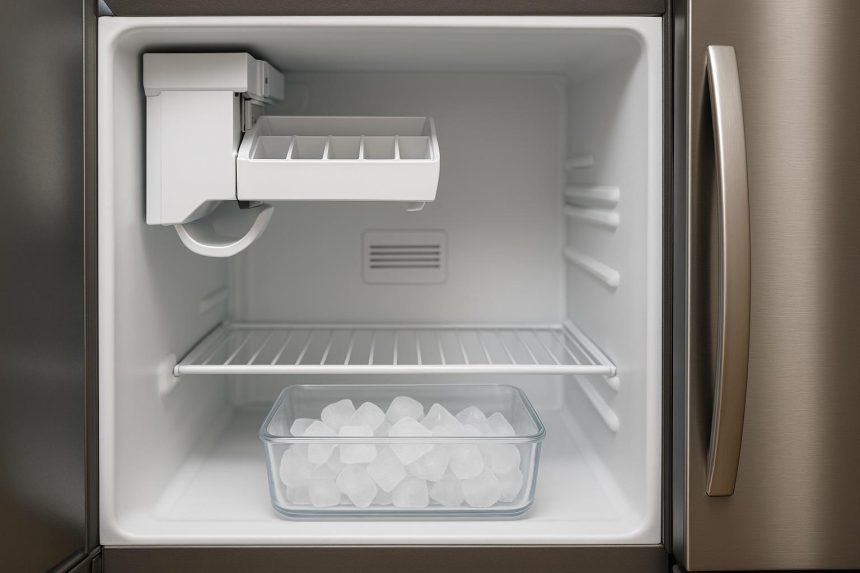
A refrigerator with a built-in ice maker is one of the most convenient features in a modern kitchen. It provides a steady supply of ice for drinks, cooking, and entertaining guests. However, when the refrigerator suddenly stops making ice, it can quickly become frustrating. The problem may appear without warning and can be caused by several mechanical or maintenance-related issues. Understanding the possible reasons behind the malfunction can help homeowners determine whether a simple adjustment is needed or if professional service is required.
One of the first things to consider when a refrigerator is not producing ice is the water supply. Ice makers rely on a steady flow of water to fill the ice mold and freeze properly. If the water line is kinked, clogged, or disconnected, the appliance will not be able to create ice. A blocked or frozen water line can also interrupt the process. In situations where the issue is not easy to identify, many homeowners turn to professionals who specialize in appliance repair Denver CO to diagnose the problem and restore the refrigerator’s ice-making function.
Clogged or Old Water Filter
Another common reason a refrigerator will not produce ice is a clogged or overdue water filter. Most modern refrigerators include a built-in filtration system designed to improve water quality and protect the internal components of the appliance. Over time, these filters accumulate sediment and impurities from the water supply. When the filter becomes too clogged, water flow to the ice maker can slow down or stop completely. Replacing the filter according to the manufacturer’s recommendations is often a simple solution that restores normal ice production.
Incorrect Freezer Temperature
Temperature settings also play an important role in the performance of an ice maker. If the freezer temperature is set too high, the water inside the ice mold may not freeze properly. Most refrigerators require the freezer to remain around 0°F (-18°C) for optimal ice production. If the temperature rises above this level due to incorrect settings or poor airflow, the ice maker may stop working. Checking the temperature controls and ensuring that the freezer is not overloaded with food can sometimes solve the problem.
Faulty Ice Maker Assembly
A faulty ice maker assembly is another possible cause of the issue. The ice maker itself consists of several mechanical and electrical components that work together to freeze water, release ice cubes, and refill the mold. If one of these components fails, the entire process may stop. For example, the ejector arm that pushes ice cubes into the storage bin may become stuck or damaged. Similarly, the motor that powers the ice maker may stop functioning after years of use. When this happens, replacing the ice maker assembly or repairing the defective part is usually necessary.
Problems With the Water Inlet Valve
Sometimes the problem is related to the refrigerator’s water inlet valve. This valve controls the flow of water into the appliance and opens when the ice maker signals that it needs to refill. If the valve becomes clogged with mineral deposits or fails electrically, water will not reach the ice maker. As a result, the refrigerator will stop producing ice. Diagnosing a faulty inlet valve typically requires specialized tools and technical knowledge, which is why many homeowners prefer to have a technician inspect the appliance.
Ice Bin or Dispenser Issues
Another factor that can interfere with ice production is a blocked or full ice bin. If the storage container becomes overfilled, the ice maker may automatically stop producing more cubes to prevent overflow. In some cases, ice cubes may clump together due to moisture or partial melting, which can block the dispenser mechanism. Emptying the bin and removing any stuck ice can help the system return to normal operation.
Electrical Control Board Malfunctions
Electrical problems can also prevent an ice maker from functioning correctly. Many refrigerators use electronic control boards to regulate temperature, water flow, and the ice-making cycle. If the control board develops a malfunction, it may fail to send the correct signals to the ice maker. This can result in irregular ice production or a complete shutdown of the system. Electrical issues are often difficult to diagnose without professional equipment, making expert service the safest option.
Maintenance Tips to Prevent Ice Maker Problems
Routine maintenance can help prevent many ice maker issues before they become serious problems. Keeping the freezer clean, replacing water filters regularly, and ensuring proper airflow inside the refrigerator all contribute to efficient appliance performance. It is also important to check that the refrigerator doors close tightly, as warm air entering the freezer can disrupt the freezing process and affect ice production.
Check If the Ice Maker Is Turned Off
In some cases, the issue may simply be that the ice maker was accidentally turned off. Many refrigerators have a switch or control panel setting that allows users to disable the ice maker when it is not needed. If the feature is turned off, the appliance will not produce ice even though everything else appears to be functioning normally. Checking the control settings is always a good first step when troubleshooting the problem.
When to Call a Professional Technician
When a refrigerator stops making ice and simple troubleshooting steps do not solve the issue, professional diagnosis becomes essential. Experienced technicians can inspect the appliance, identify faulty components, and recommend the most effective repair solution. Addressing the problem promptly not only restores convenience but also prevents further damage to the refrigerator’s internal systems.
A reliable refrigerator is essential for maintaining a comfortable and functional kitchen environment. By understanding the most common reasons an ice maker may stop working, homeowners can take the right steps to resolve the issue quickly. Whether the problem is related to the water supply, temperature settings, mechanical components, or electrical systems, timely repairs ensure that the appliance continues to operate efficiently for years to come.

Lynn Martelli is an editor at Readability. She received her MFA in Creative Writing from Antioch University and has worked as an editor for over 10 years. Lynn has edited a wide variety of books, including fiction, non-fiction, memoirs, and more. In her free time, Lynn enjoys reading, writing, and spending time with her family and friends.