For many patients, anxiety sets in long before the appointment begins. It could trigger when in the car, build up in the reception and then peak when called. Whether visiting a GP or hospital for a routine consultation, diagnostic scan, or surgery, the physical environment can significantly impact how calm, safe, and reassured they feel.
Healthcare spending is predominantly geared towards improving clinical outcomes through better technology, faster diagnostics and improved care. However, this means that one core area can often be overlooked. The design of the space itself. Some healthcare facilities ensure a patient-first focus throughout, while others may be lacking.
From lighting and acoustics to layout and materials, healthcare interiors play an important role in shaping the patient experience. Thoughtful design choices can reduce stress, improve comfort and help patients feel more at ease during a typically draining, confusing and worrying time.
Why patient anxiety matters
It is extremely common for patients to feel anxious before treatment or even a standard appointment. The uncertainty, a fear of needles, concerns about pain, or worrying about the diagnosis are all completely normal, and when it takes place in unfamiliar surroundings, the stress levels can all be substantially increased.
When patients feel anxious, it can affect more than their emotional well-being. It may also influence:
- Blood pressure and heart rate
- Communication with clinicians
- Willingness to attend appointments
- Perception of pain
- Satisfaction of care provided
By creating a calming environment, patients can be at ease, build resilience and generally feel more comfortable in a place where they would otherwise struggle to feel safe or happy. It isn’t just about aesthetics, though.
Creating a reassuring, welcoming entrance
The patient journey begins when they enter a healthcare setting. It could be a hospital, a GP surgery, a pharmacy or a therapy centre. Cluttered entrances, harsh lighting, noisy receptions and crowded spaces can heighten the anxiety and make someone instantly feel tense and unsettled.
In contrast, a welcoming entrance with clear signage, natural light and organised layouts helps patients feel comfortable and reassured. Simply reducing confusion at the earliest point can go a long way to reducing patient stress.
This is perhaps even more important for certain patient groups. Easy navigation is particularly advantageous for:
- Older patients
- Those with mobility challenges
- Visitors attending particularly stressful or emotional appointments
- Neurodivergent patients who may be sensitive to overstimulating environments
How sound, comfort and privacy impact anxiety in a healthcare setting
Noise is one of the biggest hidden contributors to anxiety in healthcare settings. Ringing phones, loud conversations, tannoy systems and constant foot traffic can make already nervous patients feel overwhelmed.
For someone awaiting test results or preparing for a procedure, a noisy environment can heighten feelings of stress and make the experience feel more chaotic. This is particularly true in busy outpatient departments and reception areas where multiple activities are happening at once.
Designing for acoustic comfort can make a noticeable difference. Soft furnishings, quieter waiting areas, and materials that help reduce noise all contribute to a calmer atmosphere. Even subtle improvements in sound control can help patients feel less exposed and more able to relax.
Comfort also extends to temperature, seating and personal space. A waiting area that feels cramped or uncomfortable can quickly add to frustration and unease, especially during long delays.
Privacy also matters. Patients feel more secure when spaces are designed to protect dignity and confidentiality. Even small changes, such as better spacing between seating, screening in reception areas, or discreet consultation zones, can improve comfort and trust.
Why materials matter when creating a calming healthcare space
The materials used in healthcare environments contribute greatly to how space feels and functions.
While it’s common knowledge to accept that surfaces need to support hygiene and infection prevention, they should also help create an atmosphere that feels clean without seeming cold or intimidating.
This is essential in areas of high traffic such as corridors, treatment rooms or waiting areas. Practical materials like durable, easy-to-maintain hospital flooring can support infection control, reduce slips, improve acoustics and contribute towards a more welcoming environment.
These are details that many patients may not consciously notice; however, they feel them, and this supports comfort and reassurance.
Why should healthcare spaces be more human-centred?
A shift in healthcare design focus is seeing various facilities incorporate a more human-centred approach. Whilst the reason for healthcare facilities is patient care and providing clinical services, more healthcare authorities and private facilities are now enhancing their services by creating environments that combine high-quality healthcare with safety, warmth, reassurance and comfort. Where artificial lighting, hard surfaces and sterile-looking spaces may reinforce feelings of anxiety, human-centred settings are reducing that emotional barrier.
This doesn’t mean standards of care should be compromised. It simply means creating a balanced environment.
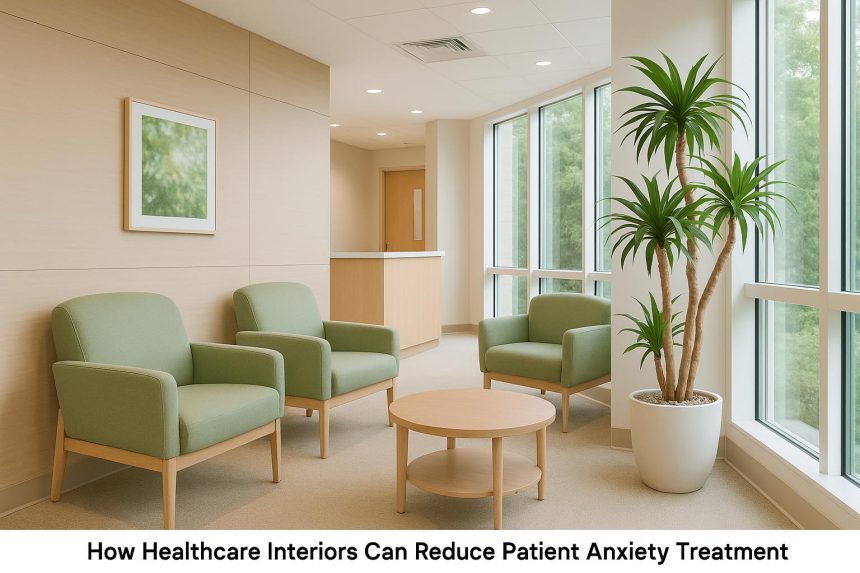
Simple design choices can help make this possible. This includes:
- Softer colour palettes
- Natural textures
- Improved lighting
- Uncluttered layouts
- Comfortable seating
- Simplified navigation
These elements work together to create spaces that feel less intimidating and provide more support.
Better healthcare environments support better healthcare
Reducing patient anxiety is not always about large-scale changes. Often, it comes down to thoughtful decisions that improve comfort, safety and confidence. How a healthcare facility looks on the inside can directly influence how people feel when they are at some of their most vulnerable moments.
With a smartly designed space that is calm, welcoming and practical, healthcare providers can make a meaningful difference to patient wellbeing long before treatment begins.

Lynn Martelli is an editor at Readability. She received her MFA in Creative Writing from Antioch University and has worked as an editor for over 10 years. Lynn has edited a wide variety of books, including fiction, non-fiction, memoirs, and more. In her free time, Lynn enjoys reading, writing, and spending time with her family and friends.