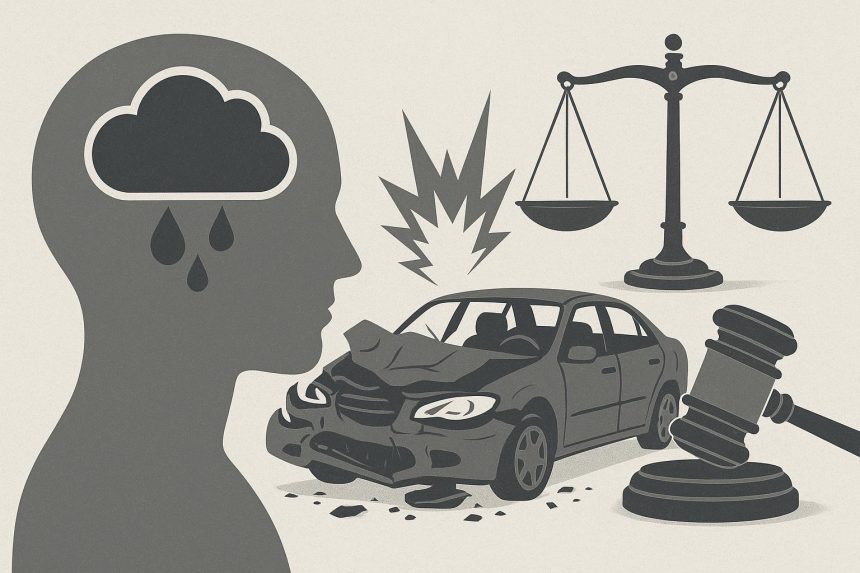
Millions of car accidents happen every year, and while many are minor fender benders, a significant number leave survivors dealing with consequences that go far beyond a dented bumper.
Medical bills pile up, insurance companies start calling, and somewhere in the middle of all of it, the emotional weight of what just happened begins to settle in.
Understanding both the emotional and legal sides of a car accident is not just helpful; it is something every driver needs to know before they ever need it.
The Emotional Toll Nobody Talks About
Most conversations after a car accident focus on injuries and car damage. But the emotional wounds are just as real, and they often go unaddressed for far too long.
In the days following a crash, survivors commonly experience shock and disbelief. Even if the accident was minor, your nervous system has just gone through a traumatic event. It is completely normal to feel shaky, confused, or emotionally numb.
For many survivors, anxiety becomes a constant companion. Getting back behind the wheel can feel terrifying. Some drivers develop a fear of highways, intersections, or even short trips to familiar places. This kind of fear is not weakness; it is a natural response to danger.
Post-Traumatic Stress Disorder, or PTSD, is more common among accident survivors than most of us realize. Flashbacks, nightmares, and sudden waves of panic are signs that the mind is still processing the trauma. PTSD after a car accident is a real medical condition, and it deserves proper treatment just like a broken bone does.
Depression also creeps in for many survivors, especially when injuries limit daily activities. When a parent can no longer play with their children, or an athlete can no longer train, the emotional loss adds a heavy layer on top of the physical pain.
Relationships can take a hit too. Survivors often struggle to explain what they are going through to friends and family. Irritability, withdrawal, and emotional distance are common, and loved ones do not always understand why the person they know seems so different now.
Why Seeking Emotional Support Matters
Ignoring emotional pain after an accident often makes things worse over time. Untreated anxiety and PTSD can affect your sleep, your work performance, and your relationships in ways that build up quietly and then hit hard all at once.
Therapy, particularly Cognitive Behavioral Therapy (CBT), has proven very effective for accident survivors. A licensed therapist can help you process the trauma, manage fear, and rebuild confidence in daily life, including driving again.
Support groups are another powerful resource. Speaking with others who have gone through similar experiences removes the feeling of isolation. Knowing that what you are feeling is shared by others can be incredibly grounding.
Even if you feel fine emotionally right after an accident, it is worth checking in with yourself in the weeks that follow. Emotional symptoms often take time to surface, and catching them early makes recovery much smoother.
The Legal Side of a Car Accident
Beyond the emotional impact, a car accident almost always carries legal consequences that survivors need to understand. Whether the accident was your fault or someone else’s, knowing your rights and responsibilities can protect you in a major way.
“The first legal step after any accident is documentation. Photographs of the scene, witness contact information, and a copy of the police report form the foundation of any future legal claim. Skipping this step can seriously weaken your position later,” say Morris Injury Law, a North Las Vegas car accident lawyer.
Insurance companies get involved quickly after an accident. Adjusters may reach out within days, asking for recorded statements. It is important to remember that insurance companies, even your own, are focused on limiting the amount they pay out. Be careful about what you say and when you say it.
Fault determination is a major part of the legal process. In most places, the driver found at fault is financially responsible for damages. This includes medical bills, vehicle repairs, lost wages, and in some cases, emotional distress. How fault is determined varies by state or country, so understanding local traffic laws matters a great deal.
Victims who suffered serious injuries may have the right to file a personal injury lawsuit against the at-fault driver. This is separate from the insurance claim and can result in a larger settlement that more accurately reflects the full extent of the harm caused.
Understanding Compensation
When it comes to compensation after a car accident, there are two main categories that most legal claims fall under.
Economic damages cover the measurable financial losses. These include:
- Hospital bills and ongoing medical treatment costs
- Physical therapy and rehabilitation expenses
- Repair or replacement costs for your vehicle
- Lost income from missed work during recovery
- Future lost earnings if injuries affect long-term work capacity
Non-economic damages cover losses that are harder to put a number on but are equally valid. These include pain and suffering, emotional distress, loss of enjoyment of life, and loss of companionship for a spouse or close partner whose relationship was affected by the injuries.
Courts and insurance negotiations take both types seriously, though non-economic damages often require strong documentation including medical records, therapy notes, and personal testimony.
When to Get a Lawyer
Not every accident requires hiring an attorney, but certain situations make legal representation very important. If injuries are severe, if the insurance company is disputing liability, or if a loved one was killed in the crash, having a lawyer in your corner makes a real difference.
A personal injury attorney can investigate the accident, gather evidence, handle negotiations with insurance companies, and represent you in court if necessary. Most work on a contingency basis, meaning you pay nothing unless they win your case.
Acting quickly is important because most places have a statute of limitations on personal injury claims. Missing that deadline can mean losing your right to compensation entirely, no matter how strong your case is.
Moving Forward After a Crash
Recovery after a car accident is rarely a straight line. Some days will feel like real progress, and others will bring unexpected setbacks. That is completely normal, and it does not mean you are failing.
Give yourself permission to heal at your own pace, both physically and emotionally. Lean on your support system, follow your treatment plan, and do not hesitate to ask for help when you need it.
On the legal side, stay organized. Keep all medical records, bills, and correspondence in one place. Respond to deadlines promptly and stay in communication with your attorney if you have one.
A car accident does not have to define the rest of your life. With the right emotional support, a clear understanding of your legal rights, and a strong commitment to recovery, it is absolutely possible to come out on the other side stronger and more informed than before.
Conclusion
If you or someone you care about has recently been in a car accident, do not wait to seek help, whether that means calling a therapist, consulting a lawyer, or simply talking to someone you trust. The road to recovery starts with that first step.

Lynn Martelli is an editor at Readability. She received her MFA in Creative Writing from Antioch University and has worked as an editor for over 10 years. Lynn has edited a wide variety of books, including fiction, non-fiction, memoirs, and more. In her free time, Lynn enjoys reading, writing, and spending time with her family and friends.