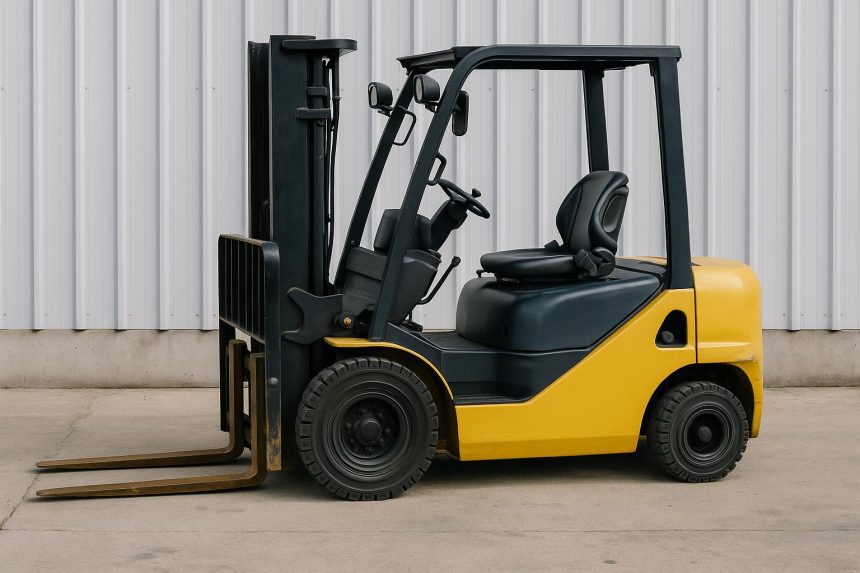
Temporary work can move on a tight clock, but forklift selection still deserves a disciplined review. A short rental can influence load control, worker safety, dock flow, floor wear, and schedule reliability. The equipment should match the material, lift height, route, surface, and operating window before crews begin. Good planning helps teams avoid rushed swaps, surprise fees, and idle labor during a limited project.
Match Capacity to Work
Project leads should confirm load weight, lift height, travel distance, floor condition, and aisle width before choosing equipment. Those facts guide capacity, mast, tire, and fuel decisions. For short local jobs, teams can rent a forklift in Springfield from Connell Material Handling after checking dock access, operator availability, product dimensions, and site restrictions that affect safe use.
Check Lift Height
Rated capacity is not fixed at every elevation. As the mast rises, stability margins change. A pallet that handles well near ground level may strain the truck at rack height. Planners should record the tallest shelf, trailer deck, mezzanine, or staging point. Attachment weight also belongs in that calculation, since extensions and clamps reduce usable lifting strength.
Review Load Details
Material shape matters as much as weight. Pallets, crates, drums, bundled pipe, and machinery each place force in a different pattern. Teams should measure length, width, mass, and center of gravity before ordering. Fragile goods may need wider forks, slower travel, or attachment support to reduce tipping, compression, and impact damage.
Confirm Surface Conditions
Tire selection depends on the surface under load. Cushion tires fit smooth interior slabs, while pneumatic tires handle rough pavement, gravel, and outdoor yards. Ramps, dock plates, wet zones, and uneven thresholds can quickly change traction needs. A brief site walk gives the rental provider clearer information before delivery.
Measure Space and Routes
Clearance problems often appear after the truck arrives. Teams should measure door height, aisle width, turning radius, trailer openings, and overhead barriers. Guards, mirrors, propane tanks, and battery compartments can create tight spots. In compact layouts, a reach truck, stand-up model, or pallet jack may better serve the route.
Compare Power Options
Power choice should reflect ventilation, shift length, and refueling access. Electric forklifts reduce indoor exhaust concerns, but charging requires time, space, and suitable power. Propane units can support longer work periods with cylinder changes. Diesel equipment is suitable for outdoor heavy-duty applications where fumes and noise are less restrictive. Each option carries site demands that should be checked early.
Plan Delivery Timing
Rental timing should align with labor, docks, and staging space. Early delivery can crowd a site before crews are ready to work. Late arrival can leave workers waiting with material on the floor. The order should list drop-off date, pickup date, contact names, gate details, and unloading instructions. Clear handoff notes prevent avoidable delays.
Review Maintenance Coverage
Rental agreements should explain service response, including maintenance, and damage responsibility. Teams need to know who handles breakdowns, flat tires, weak batteries, fluid leaks, or warning lights. During active work, a supervisor should keep the provider’s contact details available. Fast reporting protects the schedule and helps limit equipment damage.
Verify Operator Readiness
A correct machine still needs a qualified operator. Controls, sight lines, steering response, and attachment handling can vary by model. Supervisors should confirm training for the equipment class, site traffic rules, daily inspection steps, and pedestrian separation. Safe operation begins before the first pallet leaves the floor.
Check Costs and Terms
The lowest daily price may not reflect the final project cost. Delivery, pickup, fuel, charger needs, overtime use, cleaning, and damage charges can change the invoice. Teams should compare the full quote against the work schedule. Written terms help budgets stay aligned with scope, duration, and site conditions.
Conclusion
A temporary forklift rental works best when the review begins with the job, not the catalog. Load data, lift height, surface condition, power source, route clearance, timing, and operator readiness all shape the right choice. Teams that gather these facts before ordering can protect workers, material, and budget. Careful preparation also helps the provider recommend equipment that fits the actual site.

Lynn Martelli is an editor at Readability. She received her MFA in Creative Writing from Antioch University and has worked as an editor for over 10 years. Lynn has edited a wide variety of books, including fiction, non-fiction, memoirs, and more. In her free time, Lynn enjoys reading, writing, and spending time with her family and friends.