

Table of Contents
1. Understanding the Mechanics of Barn Door Systems
2. Assessing Door Weight and Load Bearing Requirements
3. Selecting the Ideal Track Material for Durability
4. Hanger Styles and Their Impact on Aesthetic Appeal
5. Navigating Clearance and Space Constraints
6. The Importance of High Quality Floor Guides and Stoppers
7. Matching Hardware Finishes to Interior Design Themes
8. Installation Best Practices for Long Term Stability
9. Securing the Perfect Entrance for Your Living Space
Understanding the Mechanics of Barn Door Systems
Barn doors have transitioned from functional agricultural necessities to sophisticated interior design elements. While they offer a distinct visual flair, the success of an installation relies entirely on the hardware system supporting it. Unlike traditional swinging doors that hang on hinges, a barn door operates on a track and trolley system. This means the entire weight of the door is concentrated on a single horizontal rail, which must be perfectly level and securely anchored.
When you begin your search for the right components, you must consider the physics of movement. A door that is too heavy for its hardware will eventually sag, causing the rollers to bind or the track to pull away from the wall. Conversely, hardware that is over engineered for a light door might result in a clunky or noisy operation. Finding the equilibrium between form and function is the primary goal for any homeowner or contractor.
The Component Breakdown
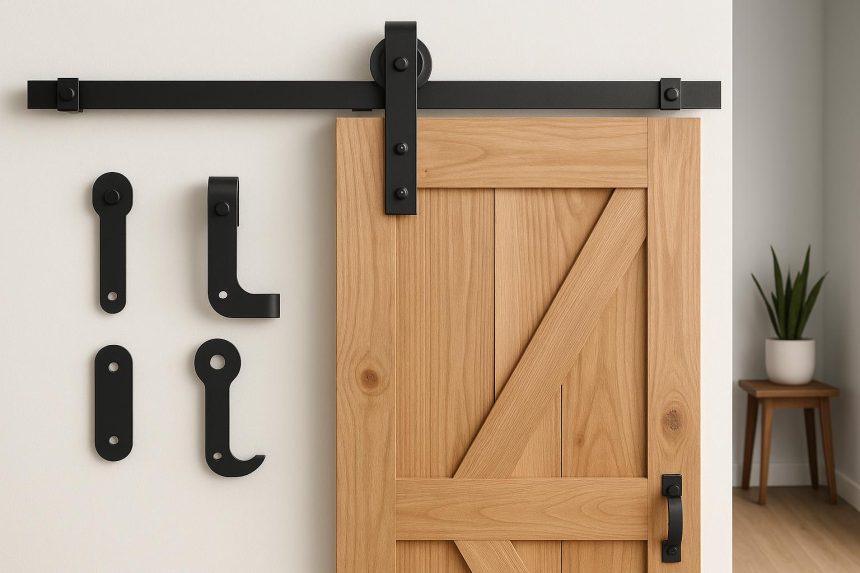
A standard hardware kit consists of several critical parts. The track is the rail upon which the door travels. The hangers, also known as rollers or trolleys, attach to the door and contain the wheels that glide along the track. Spacers hold the track away from the wall to allow the door to clear the casing and baseboards. Finally, door stops and floor guides ensure the door stays on its path and does not swing outward.
Assessing Door Weight and Load Bearing Requirements
The most critical factor in choosing hardware is the weight of the door slab itself. Interior barn doors can range from forty pounds for a hollow core model to over two hundred pounds for a solid reclaimed wood piece. Before purchasing a kit, you must weigh your door or consult the manufacturer for an accurate measurement. Most standard hardware kits are rated for up to one hundred and fifty or two hundred pounds, but heavy duty options are available for massive installations.
When dealing with exceptionally heavy slabs, such as those crafted by Dusty’s Rustic Rolling Doors, it is vital to ensure that the hardware is rated for at least twenty percent more than the door’s actual weight. This safety margin accounts for the dynamic forces applied when the door is opened or closed with force. A door in motion exerts more stress on the track than a stationary one, and a higher weight rating prevents the track from bowing over time.
Wall Support and Blocking
It is not enough for the hardware to be strong. The wall behind it must be equally robust. Most barn door tracks require a header board, which is a solid piece of lumber mounted into the wall studs. This provides a continuous surface for the track to attach to, ensuring that every mounting bolt is biting into solid wood rather than just drywall or plaster. Without a proper header, the concentrated weight of a sliding door can cause significant structural damage to your home.
Selecting the Ideal Track Material for Durability
The material of the track determines both the longevity and the sound profile of the door. Steel is the most common choice due to its incredible strength and affordability. However, not all steel is created equal. Cold rolled steel is preferred over hot rolled steel because it offers a smoother finish and higher dimensional accuracy, which translates to a quieter glide.
1. Carbon Steel: This is the industry standard. It is heavy, durable, and can be powder coated in various colors. It provides a solid feel and is suitable for almost any residential application.
2. Stainless Steel: Ideal for modern aesthetics or environments with high humidity, such as bathrooms. Stainless steel resists rust and corrosion while offering a sleek, brushed appearance.
3. Aluminum: While lighter and easier to cut, aluminum is generally reserved for lighter doors. It does not have the same weight bearing capacity as steel but is excellent for closet doors or thin room dividers.
Hanger Styles and Their Impact on Aesthetic Appeal
The hangers are the most visible part of the hardware system and serve as the primary stylistic anchor for the installation. The choice of hanger can push a room toward a rugged industrial look or a clean minimalist vibe. Choosing the right barn door hardware for your home’s weight and style often begins with selecting a hanger that complements the architectural lines of the house.
Top Mount vs Face Mount
Face mount hangers are the classic choice, where the metal straps are bolted onto the front surface of the door. This style emphasizes the hardware and is perfect for rustic, farmhouse, or industrial themes. Top mount hangers, on the other hand, attach to the top edge of the door slab. This hides most of the hardware and creates a floating effect, which is highly sought after in contemporary and mid century modern designs.
Wheel Composition and Bearings
Beyond the look, the wheels inside the hangers dictate the user experience. High quality rollers use ball bearings encased in nylon or polyoxymethylene. These materials provide a whisper quiet operation compared to solid steel wheels, which can create a grinding metal on metal sound. If you are installing a door near a bedroom, silent rollers are a non negotiable feature.
Navigating Clearance and Space Constraints
Before committing to a specific hardware set, you must measure the clearance above the door opening. Standard hardware typically requires six to eight inches of space between the top of the door and the ceiling or crown molding. If you have low ceilings, you may need to look for low clearance hardware, which uses a specialized trolley design to reduce the required space to as little as three or four inches.
The Role of Spacers and Stand Offs
Spacers are the small cylindrical pieces that sit between the track and the wall. Their thickness determines how far the door sits away from the wall. If you have thick baseboards or decorative door trim, you will need longer spacers to ensure the door does not rub against the wall as it slides. Measuring the projection of your trim is a vital step that many DIYers overlook, leading to scratched paint and damaged wood.
The Importance of High Quality Floor Guides and Stoppers
While the track and hangers do the heavy lifting, the floor guide and stoppers provide the necessary control. A floor guide prevents the door from swinging like a pendulum. There are several types available, including T guides that require a groove in the bottom of the door and C guides that wrap around the bottom edge. For those who do not want to drill into their hardwood or tile floors, wall mounted floor guides are an excellent alternative.
Safety and Motion Control
Stoppers are placed at both ends of the track to prevent the door from rolling off the rail. High end systems often include soft close mechanisms. These are hydraulic or spring loaded devices that catch the door as it nears the end of the track and gently pull it into the fully open or closed position. This feature is particularly useful for heavy doors from Dusty’s Rustic Rolling Doors, as it prevents the door from slamming and protects the structural integrity of the wall.
Matching Hardware Finishes to Interior Design Themes
The finish of your hardware should harmonize with the other metals in your room, such as cabinet pulls, light fixtures, and faucets. However, you do not always need a perfect match. Mixing metals is a popular trend that adds depth to a space.
1. Matte Black: The most versatile finish, working well with both rustic and modern interiors. It provides a bold contrast against white or light wood doors.
2. Oil Rubbed Bronze: A classic choice for traditional homes, offering a warm, weathered look that pairs beautifully with dark wood stains.
3. Satin Nickel or Chrome: These finishes are best for contemporary spaces, providing a clean and professional appearance that reflects light.
4. Raw Steel: For a truly industrial or warehouse aesthetic, raw steel shows the natural imperfections of the metal and develops a unique patina over time.
Installation Best Practices for Long Term Stability
Even the best hardware will fail if installed poorly. The most common mistake is failing to level the track. If the track is off by even a fraction of an inch, the door will constantly drift open or shut on its own. Using a long spirit level or a laser level is essential during the mounting process.
When working with premium products like those from Dusty’s Rustic Rolling Doors, precision is key. Ensure that the lag bolts are driven directly into the center of the studs or the header board. If you encounter a situation where the studs do not align with the pre drilled holes in your track, you must use a header board. This allows you to secure the board to the studs and then secure the track to the board at any point required.
Lubrication and Maintenance
Once installed, barn door hardware requires very little maintenance. However, a quick wipe down of the track every few months will prevent dust buildup, which can cause the rollers to stutter. If the bearings begin to squeak, a small amount of dry silicone spray can restore smooth operation without attracting grime like grease or oil would.
Securing the Perfect Entrance for Your Living Space
Choosing the right hardware is about more than just aesthetics; it is about creating a seamless transition between rooms that feels substantial and reliable. By focusing on the weight capacity and the quality of the materials, you ensure that your sliding door remains a functional piece of art for decades. Whether you are aiming for a minimalist hidden track or a bold industrial statement, the hardware is the foundation of your vision.
Investing in high quality components, such as the robust selections found at Dusty’s Rustic Rolling Doors, ensures that your installation will handle the rigors of daily use. A well chosen barn door system not only saves space but also adds a layer of architectural interest that traditional doors simply cannot match. Take the time to measure twice, consider your wall structure, and select a finish that speaks to your personal style. With the right preparation, your new barn door will glide effortlessly, providing a quiet and elegant solution for your home design needs.

Lynn Martelli is an editor at Readability. She received her MFA in Creative Writing from Antioch University and has worked as an editor for over 10 years. Lynn has edited a wide variety of books, including fiction, non-fiction, memoirs, and more. In her free time, Lynn enjoys reading, writing, and spending time with her family and friends.