


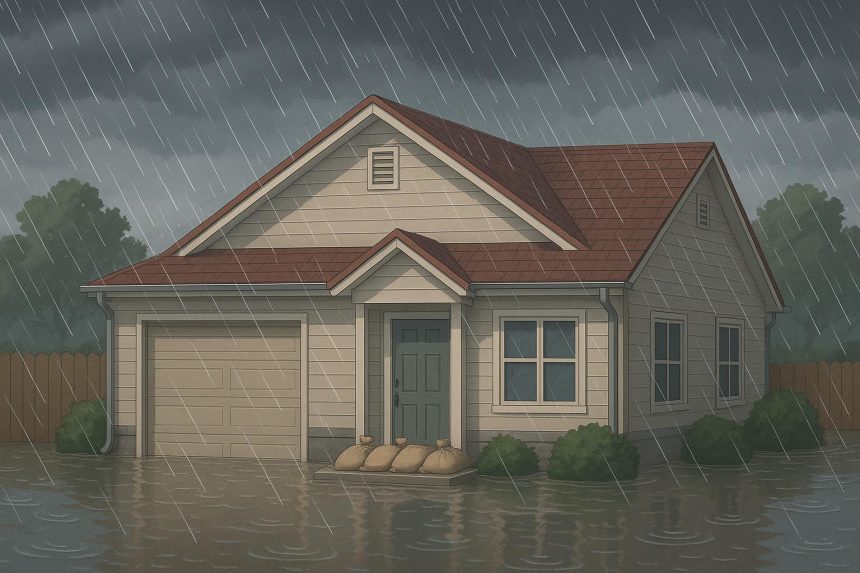
Australians are used to weather extremes. Long droughts, scorching summers and bushfires get plenty of attention, but flooding and heavy rain can be just as destructive. In recent years, many communities have seen homes, businesses and farms inundated by floodwater, often with little warning. Even outside major flood events, intense storms can overwhelm gutters, drains and stormwater systems, sending water into homes and commercial buildings.
The damage can be devastating. Flooded floors, ruined furniture, damaged electrical systems, mould and costly repairs can take months to resolve. While no one can control the weather, preparation can significantly reduce the impact. That includes knowing your risk, keeping drainage clear and having equipment such as pumps ready, whether you own one or rely on pump hire to remove water quickly when it counts.
Understand your risk
Start by finding out whether your property is in a flood-prone area. Local councils and state emergency services often provide flood maps and information about local risks. Your property may be at risk from riverine flooding, flash flooding from intense rain or stormwater overflows.
Consider the property’s position. Low-lying areas, properties near creeks or rivers, and buildings at the bottom of slopes may be more vulnerable. Even properties on higher ground can experience water entering through roofs, gutters or poorly drained areas during heavy storms.
Knowing your risk helps you decide what level of preparation makes sense.
Maintain gutters, drains and downpipes
Blocked gutters and drains are a common cause of water damage during heavy rain. When gutters overflow, water can spill into roof cavities, walls and foundations.
Clean gutters and downpipes regularly, particularly before storm season. Remove leaves, twigs and debris, and check that water flows freely. Make sure downpipes direct water away from the building.
Inspect stormwater drains, grates and pits on your property. Clear blockages and check for damage. If water regularly pools in certain areas, consider improving drainage with professional help.
Protect the building
Small improvements can help keep water out. Check the roof for damaged tiles, loose flashing or rust that could let water in. Repair cracks in walls and seal gaps around doors, windows and pipes.
For flood-prone properties, consider raising electrical outlets, switchboards and appliances above potential flood levels. Water-resistant materials, such as tiles instead of carpet, can make cleanup easier after a flood. Sandbags or flood barriers can help redirect water away from doorways during emergencies, so know where to get them in your area.
Have pumps and equipment ready
When water does get in, removing it quickly can reduce damage. Submersible pumps can remove water from basements, underground car parks, construction sites and low-lying areas.
Different pumps suit different situations. Drainage pumps are suited to relatively clean water, while trash pumps can handle water containing debris. Larger events may require high-capacity pumps. Hiring a pump can be a practical option for property owners who don’t need one year-round. Hire companies can recommend the right type and size for the job.
Generators may also be needed if power is cut, but they should always be used outdoors in well-ventilated areas to avoid carbon monoxide risks. Have torches, batteries, a battery-powered radio and spare phone chargers available in case of power outages.
Prepare an emergency plan
A household or business emergency plan helps everyone know what to do if flooding threatens. Identify safe evacuation routes and meeting points. Keep important documents, medications and valuables in waterproof containers that can be taken quickly.
Prepare an emergency kit with essentials such as water, non-perishable food, first aid supplies, torches, batteries, personal documents and medications. Know how to turn off electricity, gas and water if instructed.
Never drive, walk or ride through floodwater. It only takes a small amount of fast-moving water to sweep away a person or vehicle. Follow advice from emergency services and evacuate if directed.
Check insurance and know what happens after
Review your insurance policies to understand whether flood and storm damage are covered. Policies vary, and some may include exclusions or limits. Keep records of your belongings, including photos, receipts and serial numbers, to help with claims.
After a flood, safety comes first. Don't return until authorities say it's safe. Floodwater can contain sewage, chemicals and debris. Have electrical systems checked by a licensed electrician before using power. Take photos of damage for insurance purposes and remove water as soon as possible to reduce mould and structural damage.
Flooding and heavy rain can cause serious disruption, but preparation can make a big difference. By understanding your risk, maintaining drainage, protecting your property and having equipment and plans in place, you can reduce damage and recover more quickly when the weather turns.

Lynn Martelli is an editor at Readability. She received her MFA in Creative Writing from Antioch University and has worked as an editor for over 10 years. Lynn has edited a wide variety of books, including fiction, non-fiction, memoirs, and more. In her free time, Lynn enjoys reading, writing, and spending time with her family and friends.