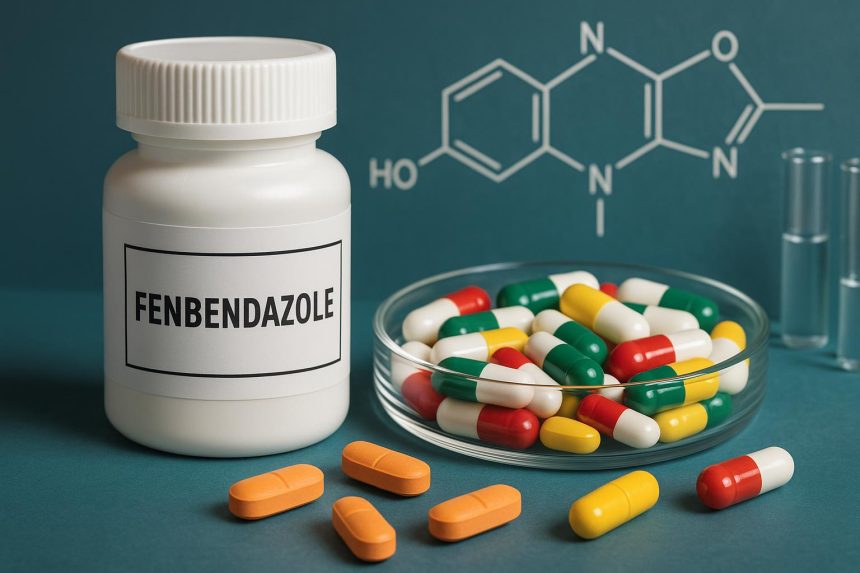
Lately, science has turned more toward reusing drugs meant for one thing to see if they work for something else. Rather than start from scratch with brand-new chemicals, experts look at ones already proven safe and active in the body. Fenbendazole stands out lately among lab talks – a substance long given to animals to kill parasites.
Even though fenbendazole has spent years tackling parasites in pets, scientists lately started looking at what else it might do inside living systems. When people talk about testing old medicines in new ways, they sometimes mention items like fenbendazole 444 mg capsules, especially during chats around lab experiments and fresh research angles. Curiosity grew fast after those talks, yet one thing stays clear – work isn’t finished, more digging is needed before anything becomes certain.
What Is Fenbendazole?
Starting off, fenbendazole is part of a class called benzimidazole anthelmintics – medicines built to get rid of worm infestations. Instead of working slowly, they interfere directly with microscopic frameworks parasites need for feeding and staying alive.
Fenbendazole targets tiny parts within cells called microtubules. Because these form a kind of internal framework, messing with them causes serious problems. Without stable microtubules, parasites can’t divide or move molecules where needed. As things go wrong inside, the parasite weakens – step by step – until it dies.
Fenbendazole is well known in animal care, thanks to how well it works and how long vets have been using it.
The Role of Drug Repurposing in Modern Medicine
Starting fresh with medicine takes ages. Trials pile up, time slips away. Yet old pills sit there – already tested, already known. Looking at them again might just open different doors. Instead of building from nothing, scientists peek inside cabinets. What once treated one problem could maybe ease another. Fewer hurdles often stand in the way. Years may be saved. Not every answer needs inventing twice.
Something surprising happens sometimes when old medicines find new jobs. A treatment made for one thing might start helping with another, just by chance. Take heart drugs, they ended up working elsewhere after scientists paid closer attention. At first meant for blood pressure, some now assist in very different illnesses. Discovery often hides where you least expect it.
Fenbendazole’s known actions give scientists a starting point. Because those effects are clear, study shifts toward what else it might do inside living organisms. One path leads to unexpected roles in cells not tied to its first use.
Researchers Look at Fenbendazole in Cancer Studies
Fenbendazole caught interest in cancer studies because it affects microtubules – structures vital for splitting cells. Since tumor cells multiply fast, treatments often go after the machinery that drives division. Yet this worm medicine seems to interfere with just that system, slowing down what fuels growth.
Fenbendazole messes with parasite structures called microtubules – could it do something alike elsewhere? Lab tests probed that idea, turning up hints about different cell behaviors. One path led to observations on how cells divide when exposed. Another looked at shifts in protein activity during treatment.
Some findings pointed toward stress responses kicking in under pressure:
- Interference with cellular metabolism
- Disruption of microtubule formation
- Effects on tumor cell growth in laboratory models
- Changes in cellular energy pathways
Curiosity keeps growing among researchers. Still, much of what we know lives in lab dishes, not real patient groups – studies just haven’t moved fully into people yet.
Antiparasitic Drugs in Cancer Studies
Few antiparasitics besides fenbendazole have caught science eyes lately. Lately though, some lab teams took another look at old drugs like these – peeking into how cells react when exposed. Instead of focusing on one fix, minds turned toward patterns behind sickness and what shifts them.
Finding out what happens when these substances meet is something researchers spend time on:
- Cellular growth mechanisms
- Immune system responses
- Metabolic pathways
- Oxidative stress processes within cells
What drives this study is curiosity about how current medicines affect tough illnesses like cancer. Though a drug may never treat disease directly, watching how it acts in cells can spark new ideas down the road. A surprise twist here or an odd reaction there sometimes reveals paths others miss. Learning what happens inside when compounds interact opens doors quietly. Not every compound fixes things, yet each one talks in some way to the body’s machinery. Hidden patterns often show up only after many quiet observations. Pieces of answers come together slowly, without drama.
Dosage Talks in Studies
People talking about health experiments might bring up fenbendazole, often pointing to capsules labeled 222 mg or 444 mg. When these doses come up, it’s typically within ideas about trial setups or early-stage study concepts.
Finding the right dose isn’t guesswork – it takes careful study under strict conditions. Trying treatments without proof might seem harmless, yet problems can appear quietly over time.
Starting a new health plan? Experts say talking to a licensed doctor first is key. One wrong move could complicate things fast. Jumping into care without advice might backfire. Most agree: guidance from a trained provider shapes safer choices. Skipping that step risks more than people think.
Evidence Based Research Matters
Fenbendazole pops up more these days in internet chats about wellness. Doctors point out that without solid research, no drug should shift into fresh roles in treatment.
Only after close examination by scientists does a medicine ever join standard care routines:
- Safety in human populations
- Effective dosage ranges
- Possible side effects
- Interactions with other treatments
Few measures like these help keep new treatments both safe and working well. When done right, they protect people while pushing progress forward quietly behind the scenes.
Conclusion
Now showing up in lab studies, fenbendazole was first used by vets to treat parasites. Lately, researchers have started looking at how it might behave differently in cells under stress.
Curiosity around its potential in cancer research began with early reports, yet deeper study remains necessary. Lab work continues, while upcoming human testing may reveal if fenbendazole – or similar substances – holds any real promise down the line. Fenbendazole, for the time being, stands out as a curious case showing how old medicines might spark fresh paths in medical study, while also underlining the rising role of reusing drugs in today’s scientific work.

Lynn Martelli is an editor at Readability. She received her MFA in Creative Writing from Antioch University and has worked as an editor for over 10 years. Lynn has edited a wide variety of books, including fiction, non-fiction, memoirs, and more. In her free time, Lynn enjoys reading, writing, and spending time with her family and friends.