The first few minutes of an event carry more weight than most organizers realize. To understand what shapes that early reaction, let’s examine attendee behavior, queue psychology, and how modern check-in tools affect the mood before the first session begins.
Arrival is the first handshake between the event brand and the attendee. It tells people whether the day will feel organized, polished, and worth their time. Before a keynote begins or a sponsor booth gets traffic, the check-in experience has already started telling a story.
The Queue Problem Starts Before the Line Moves
A long line does more than slow people down. It creates doubt.
Attendees begin asking quiet questions in their heads. Is this the right line? Will they miss the opening remarks? Did their registration go through? Will the badge have the correct title or company name?
That anxiety grows when the process feels manual. A staff member flipping through stacks of pre-printed badges may be doing their best, but the visual signal is not ideal. It can make the event feel dated before anyone reaches the ballroom.
The same is true for misspelled badges. A typo may seem minor from an operational perspective, yet it can feel personal to the guest wearing it. A name badge is not just a label. It is how a person introduces themselves in a room full of possible clients, partners, and peers.
When people wait with no clear progress, the wait can feel longer than it is. Queue psychology has long shown that the experience of waiting shapes how people judge the service that follows. If check-in feels slow or confusing, attendees may carry that feeling into the rest of the day.
This is where planning teams need to view event registration and badge printing technology as more than just a logistics tool. It is part of the event’s front-line brand experience.
Check-In Has Become a Branding Moment
Modern check-in technology has moved out of the back office and into the spotlight. It is no longer just about getting a badge into someone’s hand. It is about making the first interaction feel smooth, current, and intentional.
On-demand badge printing is one of the clearest examples. Instead of printing every badge days in advance, organizers can print each badge when the attendee arrives. That small change solves several problems at once.
Walk-ins can be added without looking like an afterthought. Last-minute changes can be handled without a marker or sticker. A typo can be fixed in seconds, not explained away with an apology.
The result is not only faster service. It is a better emotional experience. Attendees see that the event team is prepared for real life, not just the perfect version of the registration list.
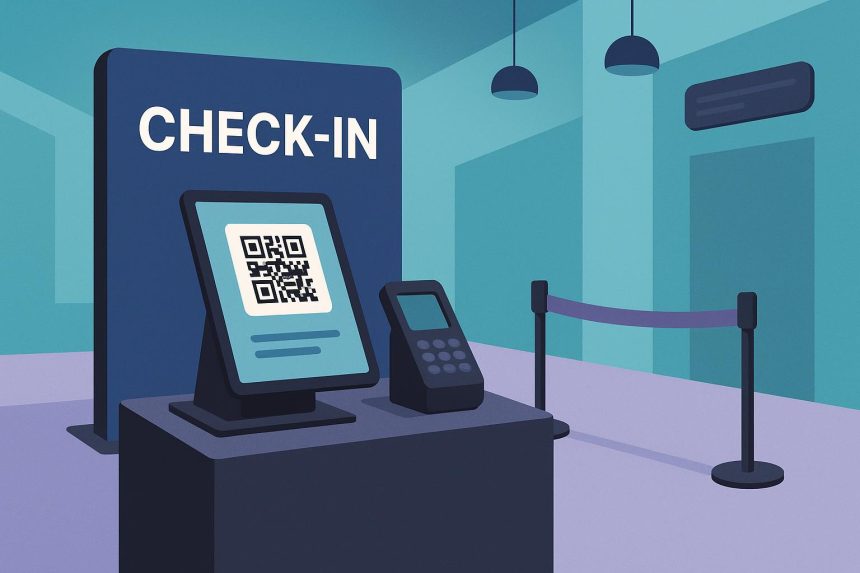
A clean self-check-in station, a quick scan, and a fresh badge can also create a subtle “wow” factor. It signals that the event is modern and well-run. Guests do not need to know every piece of equipment behind the counter. They only need to feel that the process went smoothly.
That feeling matters for brand trust. If the first touchpoint is polished, people are more likely to expect the same quality from the sessions, networking, sponsors, and hospitality that follow.
Check-in staff also benefit. Instead of digging through badge trays or solving avoidable errors under pressure, they can focus on greeting people. That changes the tone at the desk from transactional to welcoming.
For business events, that shift is powerful. A conference, trade show, leadership summit, or customer event is not just about sharing information. It is creating a live brand experience. Every touchpoint either builds confidence or chips away at it.
Better Arrivals Lead to Smarter Events
The badge is only the visible part of the process. Behind it, modern check-in tools can create real-time data that helps organizers make better decisions during the event, not just after it ends.
When attendees scan in, the system can show who has arrived, when traffic peaks, and how quickly lines are moving. That data helps teams adjust staffing, open extra stations, or guide guests to a faster entrance.
It can also help with session planning. If a large group arrives close to the opening keynote, organizers can delay a room reset, alert speakers, or improve signage before confusion builds. If one entrance is crowded and another is quiet, staff can redirect traffic.
After the event, arrival data can help teams plan the next one with more confidence. They can see when most guests arrived, how many walk-ins were processed, and where bottlenecks occurred. Those insights turn check-in from a one-time task into a planning tool.
Still, the human side should stay at the center. Technology works best when it removes friction, not warmth. The goal is not to replace hospitality. The goal is to give staff more room to provide it.
A fast badge print means the greeter can make eye contact. Accurate data means the help desk can solve a problem faster. Clear check-in flows mean attendees spend less time worrying and more time engaging.
That is the real value of modern arrival design. It respects the guest’s time and protects the event’s energy.
A Strong Start Shapes the Whole Room
Every event begins before the agenda says it begins. It starts at the door, in the lobby, at the registration desk, and in the first few seconds when an attendee decides whether the experience feels calm or chaotic.
A strong arrival experience tells people they are expected. It shows that the brand has thought through details. It turns check-in from a hurdle into a welcome.
Modern registration and badge printing tools help drive that shift, but the deeper impact is psychological. People feel more relaxed when the process is clear. They feel more valued when their name is right. They feel more confident when the event looks ready for them.
That first impression can shape how they listen, network, and remember the day. When the arrival works well, the whole event has a better chance of working well.

Lynn Martelli is an editor at Readability. She received her MFA in Creative Writing from Antioch University and has worked as an editor for over 10 years. Lynn has edited a wide variety of books, including fiction, non-fiction, memoirs, and more. In her free time, Lynn enjoys reading, writing, and spending time with her family and friends.