Healthcare is changing. Instead of waiting for symptoms to appear, more people are starting to take a proactive approach to their health. Regular checkups still matter, but they don’t always catch issues early enough, especially when it comes to conditions that develop silently over time.
This shift toward prevention has created a growing demand for smarter, more comprehensive ways to understand what’s happening inside the body. Technology is stepping in to fill that gap. From wearable devices to advanced imaging, people now have more tools than ever to monitor their health before problems become serious.
One of the most promising developments in this space is full-body scanning. It offers a deeper look at the body than traditional screenings, helping identify potential concerns early, sometimes even before symptoms appear. As awareness grows, more individuals are exploring how these scans can play a role in long-term wellness and early detection.
The Rise of Full-Body Scanning in Preventive Healthcare
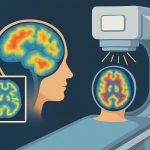
Full-body scanning has quickly moved from a niche service to a more widely recognized tool in preventive healthcare. These scans use advanced imaging to provide a detailed view of organs, tissues, and internal systems, all without invasive procedures.
What makes this approach appealing is its ability to uncover hidden issues. Many serious conditions, like certain cancers or cardiovascular problems, can develop quietly. By the time symptoms show up, the condition may already be advanced. Full-body scanning helps bridge that gap by offering a clearer picture much earlier.
As demand grows, specialized centers are making these services more accessible and patient-friendly. Many now offer streamlined experiences, quick turnaround times, and easy-to-understand reports. For individuals who want a more complete understanding of their health, this can be a valuable step forward.
Innovative providers like Craft Body Scan are helping make this technology more approachable by offering comprehensive imaging services designed to detect potential health concerns early while giving patients clear, actionable insights about their bodies.
This growing accessibility is one of the main reasons full-body scanning is gaining traction. It’s no longer limited to specialized medical cases. It’s becoming part of everyday preventive care for people who want to stay ahead of potential risks.
How Advanced Body Scanning Technology Works
At its core, advanced body scanning relies on imaging technologies like MRI and CT scans. These tools capture detailed images of the inside of the body, allowing healthcare professionals to spot abnormalities that might not be visible through standard exams.
The process is typically simple and non-invasive. A patient lies in a scanning machine while high-resolution images are taken. There’s no need for surgery or long recovery times, and in many cases, the entire procedure can be completed in under an hour.
What makes modern scanning even more powerful is the use of advanced software and, in some cases, artificial intelligence. These tools help analyze the images quickly and accurately, identifying patterns or irregularities that might require further attention.
After the scan, patients receive a detailed report outlining the findings. Many providers also offer consultations to help explain the results in clear, understandable terms. This combination of technology and expert interpretation ensures that patients are not left guessing about what their results mean.
Overall, the process is designed to be efficient, informative, and accessible, making it easier for people to take an active role in their health.
Key Benefits of Advanced Body Scanning
One of the biggest advantages of advanced body scanning is early detection. Catching a condition in its early stages can make a significant difference in treatment outcomes. Whether it’s identifying a small tumor or spotting early signs of heart disease, having that information sooner can lead to more effective care.
Another important benefit is personalization. These scans provide a detailed baseline of an individual’s health, which can be used to track changes over time. This helps both patients and healthcare providers make more informed decisions about lifestyle changes, follow-up tests, or treatments.
There’s also a strong sense of reassurance that comes with understanding your body better. For many people, not knowing can be more stressful than the scan itself. Having clear insights can reduce uncertainty and help people feel more in control of their health.
Time efficiency is another factor. Instead of scheduling multiple tests over several appointments, a full-body scan can provide a broad overview in one session. This is especially helpful for busy individuals who want a comprehensive check without spending weeks going from one specialist to another.
In the long run, preventive care can also lead to cost savings. Treating a condition early is often less expensive and less complicated than managing it at an advanced stage. While the upfront cost of a scan may seem significant, it can potentially reduce future medical expenses.
Real-World Impact: Changing Patient Outcomes
The real value of advanced body scanning becomes clear when you look at its impact on patient outcomes. Early detection has already made a difference for many individuals, allowing them to address health issues before they become serious.
For example, someone might undergo a scan out of curiosity or as part of a routine wellness plan and discover a condition they didn’t know existed. With that information, they can seek treatment early, often leading to better results and fewer complications.
This shift is also changing how people think about healthcare. Instead of reacting to problems, patients are becoming more proactive. They’re asking questions, seeking out preventive tools, and taking steps to protect their long-term health.
Healthcare providers are also adapting to this change. There’s a growing emphasis on prevention, education, and early intervention, rather than simply treating symptoms after they appear.
Challenges and Considerations
While advanced body scanning offers many benefits, it’s important to consider a few challenges. Cost can be a barrier for some people, as not all insurance plans cover these types of scans.
There’s also the possibility of overdiagnosis. In some cases, scans may detect minor abnormalities that may never cause harm, but still lead to additional testing or anxiety. That’s why it’s important to work with experienced professionals who can interpret the results carefully and provide balanced guidance.
Understanding the results is another key factor. A detailed report can be overwhelming without proper explanation, so access to knowledgeable support is essential.
Despite these challenges, many people find that the benefits of early insight outweigh the potential downsides.
Advanced body scanning is changing the way we approach healthcare. By offering deeper insights and earlier detection, it allows individuals to take a more proactive role in their well-being.
While it’s not a replacement for traditional medical care, it’s a powerful addition to the preventive toolkit. As technology continues to evolve, these scans may become even more accessible and widely used.
In a world where early action can make all the difference, having a clearer understanding of your health is more valuable than ever.

Lynn Martelli is an editor at Readability. She received her MFA in Creative Writing from Antioch University and has worked as an editor for over 10 years. Lynn has edited a wide variety of books, including fiction, non-fiction, memoirs, and more. In her free time, Lynn enjoys reading, writing, and spending time with her family and friends.