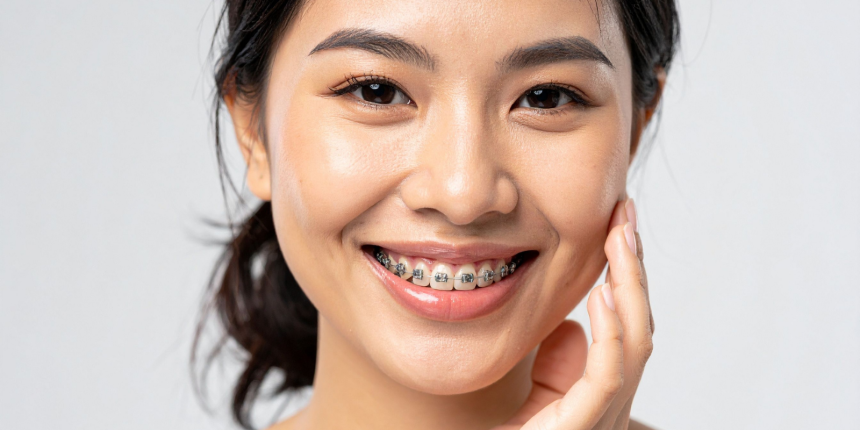
Not everyone who needs braces is aware of it. In many cases, the signs are easy to overlook, especially when there’s no pain or obvious discomfort.
Some issues, like visibly crooked teeth, are easy to spot. Others are more subtle and tend to develop over time, becoming noticeable only when they affect daily activities such as chewing, speaking, or maintaining proper oral hygiene. Because of this, many people delay seeking treatment without realising that early attention could prevent more complicated problems later on.
Understanding the common signs of misalignment can help you decide when it might be time to seek professional advice and explore suitable treatment options.
Crooked or Crowded Teeth
One of the most common signs is crowding. This happens when there isn’t enough space in your mouth for all your teeth to align properly.
You might notice:
- Teeth overlapping each other
- Difficulty flossing between certain areas
- Plaque builds up more easily in tight spaces
Crowded teeth are harder to clean, increasing the risk of cavities and gum disease over time.
Gaps Between Teeth
On the opposite end, too much space between teeth can also be a concern.
While some gaps are harmless, larger or uneven spacing may:
- Trap food more easily
- Affect how your bite functions
- Impact speech in some cases
Braces are often used to close these gaps and improve alignment.
Bite Problems
Your bite refers to how your upper and lower teeth come together. When it’s not aligned properly, it can lead to several issues.
Common bite problems include:
- Overbite (upper teeth stick out too far)
- Underbite (lower teeth sit in front of upper teeth)
- Crossbite (teeth don’t align evenly)
These conditions can cause uneven wear on teeth and may lead to jaw discomfort over time.
Difficulty Chewing or Biting
If you often feel discomfort when chewing or notice that your bite feels “off,” it may be due to misaligned teeth.
You might experience:
- Trouble biting into food properly
- Jaw strain or fatigue
- Clicking sounds when opening or closing your mouth
These are signs that your teeth may not be functioning as they should.
Frequent Dental Issues
Recurring dental problems can sometimes be linked to alignment.
If you find yourself dealing with:
- Regular cavities in similar areas
- Gum inflammation despite proper cleaning
- Uneven tooth wear
It may be worth looking into whether alignment is a contributing factor. A consultation at a reliable dental clinic in Singapore can help identify underlying causes and recommend appropriate treatment.
Speech or Pronunciation Concerns
In some cases, the position of your teeth can affect how you speak.
Certain alignment issues may lead to:
- Lisping
- Difficulty pronouncing specific sounds
- Changes in speech clarity
While not always severe, these issues can sometimes be improved with orthodontic treatment.
When to Consider Braces
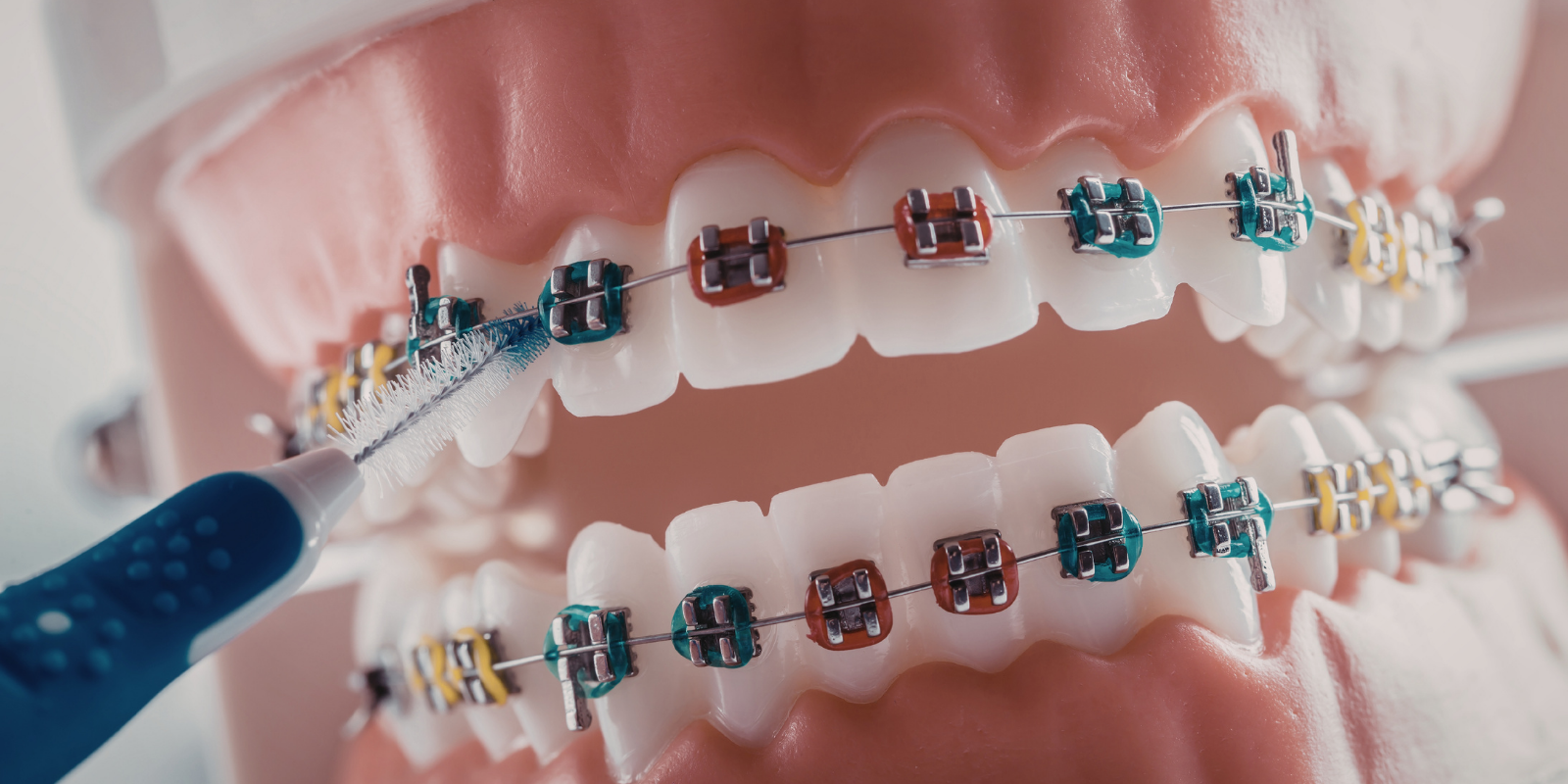
If you recognise one or more of these signs, it doesn’t necessarily mean you need immediate treatment, but it does mean you should get a proper assessment.
Dentists can evaluate:
- The position of your teeth
- Your bite alignment
- Your overall oral health
From there, they can advise whether options like braces are suitable for your condition.
Final Thoughts
Braces are not just about improving how your smile looks. They also help your teeth function better and make oral hygiene easier to maintain.
Ignoring early signs can lead to more complex issues later on. On the other hand, addressing them early can make treatment simpler and more effective.
If you’re unsure, a quick consultation can give you clarity and help you decide your next step with confidence.

Lynn Martelli is an editor at Readability. She received her MFA in Creative Writing from Antioch University and has worked as an editor for over 10 years. Lynn has edited a wide variety of books, including fiction, non-fiction, memoirs, and more. In her free time, Lynn enjoys reading, writing, and spending time with her family and friends.