


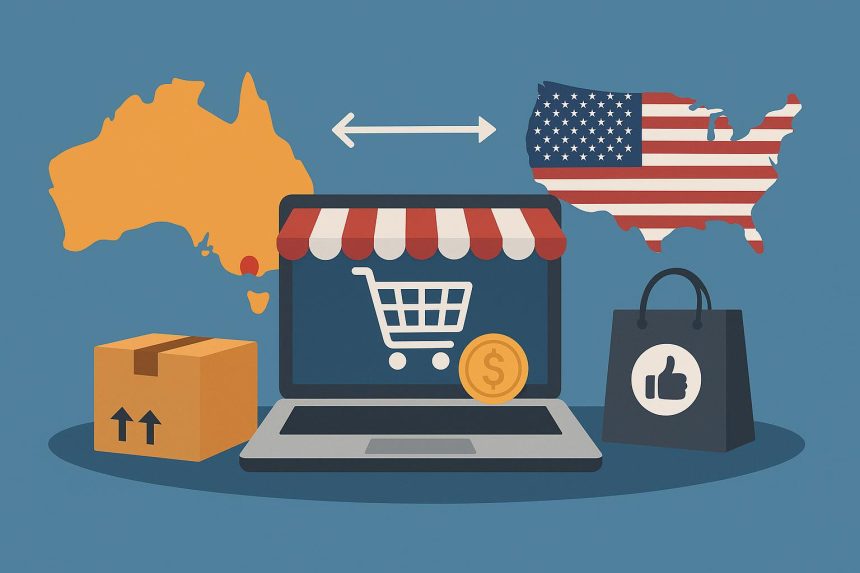
For Australian businesses, the United States represents a huge opportunity. It’s one of the world’s largest consumer markets, with millions of potential customers and a strong appetite for innovative products and services. Many Australian brands have successfully expanded into the US, whether through e-commerce, software, professional services or export.
Selling to American customers from Australia can be rewarding, but it also comes with challenges. Different time zones, customer expectations, regulations, shipping logistics and payment preferences all need to be considered. Something as simple as offering a virtual US phone number can help American customers contact your business easily, making it feel more accessible and trustworthy.
Understand the market
Before expanding into the US, research your target audience carefully. The US isn’t a single market but a collection of diverse regions with different preferences, cultures and buying habits.
Identify which states or cities are most likely to be interested in your products or services. Study competitors, pricing, customer expectations and marketing approaches. Look at your existing website traffic, sales and enquiries. If you’re already attracting American visitors or customers, that data can help guide your strategy.
Build trust with a local presence
American customers may feel more comfortable buying from businesses that seem accessible and familiar. A local presence, even without a physical office, can help build trust.
Virtual US phone numbers allow customers to call a local number while calls are forwarded to your team in Australia or elsewhere. This removes the barrier of international calling costs and makes your business easier to reach. A US-focused website or landing page can also help. Display prices in US dollars, use American spelling where appropriate for that audience and include shipping, returns and customer service information tailored to US customers. Customer reviews and testimonials from American clients can further build credibility.
Manage time zones and payments
The time difference between Australia and the US can be significant. Business hours in Australia often fall outside normal working hours in American time zones. Consider extending customer service hours, hiring staff in suitable time zones or using outsourced support services. Live chat, chatbots and email autoresponders can help manage enquiries outside business hours. Clearly communicating when customers can expect a response helps manage expectations.
American customers are accustomed to fast, convenient payment options. Offer popular payment methods, such as credit cards, digital wallets and other widely used online payment services. Display prices in US dollars to make purchasing easier and avoid confusion about exchange rates. Be clear about taxes, duties and shipping costs to prevent unexpected charges at checkout.
Plan shipping and logistics
For businesses selling physical products, shipping can be one of the biggest challenges. Long delivery times and high shipping costs may discourage customers. Some businesses partner with fulfilment centres in the US, allowing products to be stored closer to customers and delivered more quickly. Research customs requirements, import duties and product regulations before shipping goods. Some products may require additional certification or labelling.
Adapt your marketing
Marketing that works in Australia may need adjustment for American audiences. Cultural references, language and messaging may need to be tailored. Search engine optimisation, social media marketing and digital advertising can help reach US customers. Use location targeting to focus campaigns on specific regions. Highlight what makes your business unique. American consumers often value quality, innovation and authentic brand stories, and Australian businesses can stand out by showcasing their expertise, products or values.
Understand legal requirements and start small
Selling into the US may involve legal, tax and regulatory obligations. Requirements can vary depending on your industry, products and how you sell. Consider issues such as consumer protection laws, product safety regulations, privacy requirements and sales tax obligations. Some states have specific rules for online sellers. Seek advice from legal and tax professionals experienced in international trade before expanding.
Rather than trying to enter the entire US market at once, consider starting with a specific region or customer segment. Testing your approach on a smaller scale can help identify challenges and refine your strategy before expanding further. Track key metrics, such as sales, customer feedback, marketing performance and operating costs, and use the insights to make informed decisions.
Selling to American customers from Australia can open the door to significant growth. With careful planning, a strong local presence, reliable customer service and a tailored marketing strategy, Australian businesses can build lasting relationships with customers across the Pacific.

Lynn Martelli is an editor at Readability. She received her MFA in Creative Writing from Antioch University and has worked as an editor for over 10 years. Lynn has edited a wide variety of books, including fiction, non-fiction, memoirs, and more. In her free time, Lynn enjoys reading, writing, and spending time with her family and friends.