Key Takeaways
- Be aware of the distinctions between OEM and aftermarket parts to make selections that meet your needs.
- Always verify that parts are compatible with your car’s specific make and model.
- Pay close attention to both the material quality and the production standards.
- Choose suppliers with a proven reputation, supported by genuine customer feedback.
- Understand the nuances of warranty coverage and return policies to protect your investment.
Table of Contents
- OEM vs. Aftermarket Parts
- Compatibility with Your Vehicle
- Material Quality and Manufacturing Standards
- Supplier Reputation and Customer Reviews
- Warranty Coverage and Return Policies
When it comes to keeping your vehicle in top condition, selecting the right components is essential for safety, performance, and peace of mind. Whether addressing a repair or upgrading for improved efficiency, high-quality parts can significantly impact your car’s reliability. Many drivers trust sourcing from reputable providers, and purchasing Nissan dealership parts ensures proper fit, durability, and optimal performance tailored specifically to your vehicle.
Too often, drivers face dilemmas over which parts to trust or where to buy them. By making informed choices about car parts, you protect both your vehicle’s value and your own safety on the road. Quality parts not only extend your car’s lifespan but also help prevent unexpected breakdowns and costly repairs.
In this guide, you will learn the vital considerations for selecting replacement car parts, from understanding different types and checking compatibility, to recognizing reputable suppliers and warranty terms. Prioritizing reputable sources and materials means your car gets the care it deserves, delivers optimal performance, and maintains its resale value over time.
If you are searching locally, finding Nissan dealer parts near me ensures both convenience and confidence in your purchase, as authorized dealers provide genuine components and excellent customer support.
OEM vs. Aftermarket Parts
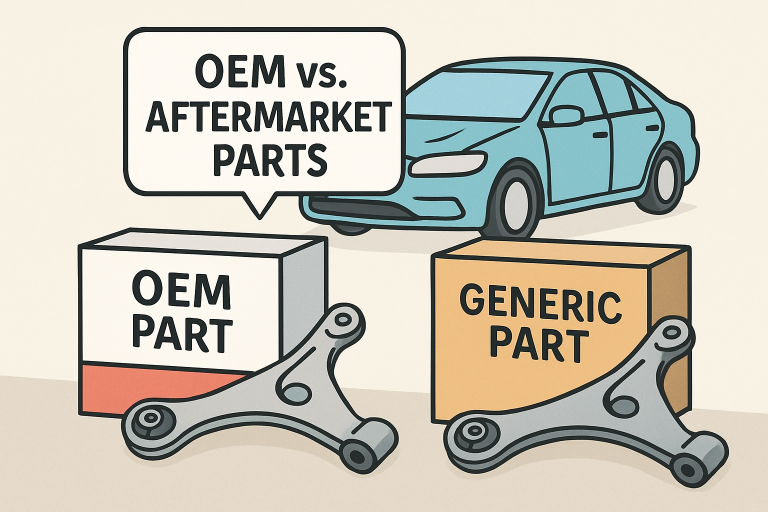
Drivers frequently face a choice between Original Equipment Manufacturer (OEM) and aftermarket parts. The vehicle’s original manufacturer produces OEM parts identical to those that came with your car when it was new. This ensures a perfect fit, reliable performance, and the reassurance of manufacturer warranties, making them a popular option for those prioritizing reliability.
Aftermarket parts, in contrast, are made by third-party companies not associated with the original automaker. These parts can vary significantly in quality, fit, and price. While some aftermarket brands offer innovative improvements or cost savings, others may fall short of OEM standards, creating potential risks or compatibility issues. For those weighing these options, Consumer Reports offers a balanced overview of the pros and cons for both categories.
Compatibility with Your Vehicle
Using car parts that are not perfectly matched to your specific vehicle can cause a range of problems, including diminished performance, mechanical failure, or even safety risks. Always double-check part numbers, compare with your vehicle’s manual, or ask an authorized technician to ensure the component you select will work without issue. For electronic parts and sensors, pay extra attention since even slight incompatibilities can disrupt the vehicle’s systems.
Automakers frequently update models and their components. Suppliers and online databases, such as those maintained by car manufacturers, can help you cross-reference compatibility for your make, model, and year.
Material Quality and Manufacturing Standards
Not all car parts are built alike. The materials used and the care taken in manufacturing can make a huge difference in longevity and function. Premium components, whether steel alloys for engine parts or durable rubber for seals and gaskets, generally offer better resistance to wear and environmental stress. Reputable manufacturers will subject their parts to extensive quality control and certification, such as SAE (Society of Automotive Engineers) or ISO standards, benchmarks you can trust when selecting critical parts.
For safety-critical components like brakes, steering, or suspension, always prioritize products that meet or exceed the standards set by automakers or regulatory bodies, as detailed by publications like Car and Driver.
Supplier Reputation and Customer Reviews
The supplier you choose has a direct impact on whether you receive authentic, high-quality car parts. Well-established dealers and authorized resellers tend to have quality control processes and provide genuine products. Customer reviews on sites like Google, Trustpilot, and automotive forums provide valuable insight into service levels, shipping speed, and after-sales support.
Speaking with local mechanics or fellow car enthusiasts can reveal which suppliers consistently provide reliable components and helpful advice. Always investigate a supplier’s track record before making a purchase, especially if buying online or from a marketplace.
Warranty Coverage and Return Policies
A solid warranty from the manufacturer or supplier serves as a promise of quality and protects you if a part fails prematurely. Before making a purchase, read the terms carefully, note the duration, any requirements for installation (some warranties are void unless a certified technician installs the part), and any exclusions. Return policies are just as crucial, particularly with electronic or custom-order parts, because mistakes can happen, and being able to return or exchange an item without hassle can save you a great deal of frustration.
Some suppliers also offer extended warranties or satisfaction guarantees, which can provide added reassurance about product quality and the seller’s confidence in what they offer. Consider both of these factors when deciding where to source your car parts.
By focusing on quality, compatibility, and supplier reputation, you can ensure your vehicle receives the best possible components, resulting in safer, more reliable performance on the road. Taking the time to educate yourself and choose carefully will pay off through fewer breakdowns, greater driving peace of mind, and long-term savings.

Lynn Martelli is an editor at Readability. She received her MFA in Creative Writing from Antioch University and has worked as an editor for over 10 years. Lynn has edited a wide variety of books, including fiction, non-fiction, memoirs, and more. In her free time, Lynn enjoys reading, writing, and spending time with her family and friends.