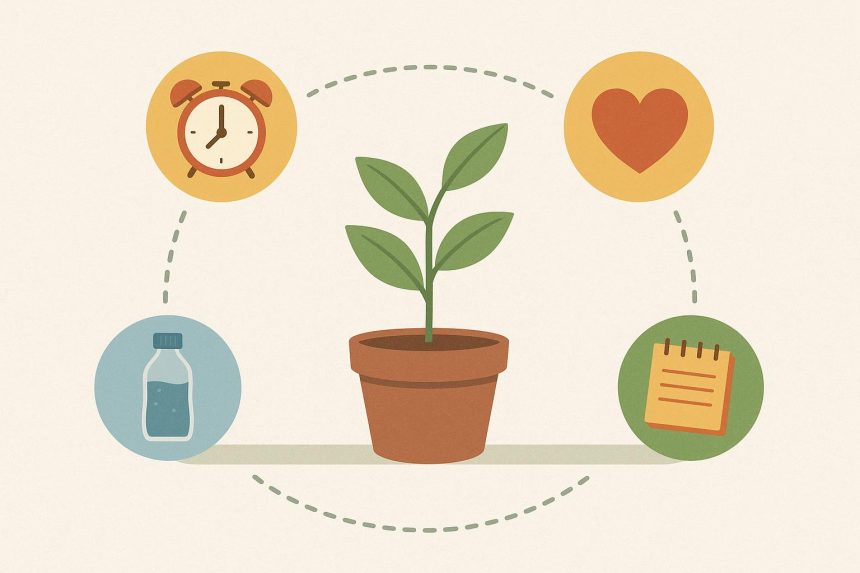
Meaningful change rarely happens through a single breakthrough. More often, it is built through everyday decisions that gradually strengthen confidence, improve emotional balance, and create a healthier way of living. Whether someone is rebuilding after a difficult period or simply looking to improve overall wellbeing, lasting progress is usually the result of consistent effort rather than quick solutions.
A growing body of research and lived experience suggests that sustainable wellbeing depends on the connection between physical health, emotional resilience, supportive relationships, and purposeful daily routines.
Why Consistency Matters More Than Perfection
Many people begin a period of personal change with ambitious goals, only to become discouraged when progress feels slower than expected. Lasting improvement is rarely defined by perfection. Instead, it develops through steady actions that become part of everyday life.
Simple routines such as maintaining a regular sleep schedule, staying physically active, preparing balanced meals, and making time for meaningful conversations all contribute to stronger emotional health. Over time, these habits create a stable foundation that supports long-term addiction recovery and overall wellbeing.
Rather than focusing on dramatic transformation, successful growth is often measured by the ability to keep moving forward one step at a time.
The Role of Emotional Resilience
Life naturally includes setbacks, unexpected changes, and periods of uncertainty. Emotional resilience allows people to respond to these experiences with greater flexibility while maintaining hope during difficult moments.
Resilience is strengthened through practice. Reflecting on personal experiences, developing healthy coping skills, and seeking encouragement from trusted individuals all help build confidence when challenges arise. These qualities benefit people from all walks of life, regardless of the specific circumstances they face.
Developing resilience does not eliminate hardship, but it can improve the ability to navigate it with greater clarity and self-awareness.
Healthy Relationships Encourage Growth
Supportive relationships remain one of the most valuable resources for long-term wellbeing. Friends, family members, mentors, and community groups often provide encouragement that helps people stay focused on positive goals while reminding them that progress does not have to happen alone.
Open communication, empathy, and mutual respect strengthen trust and create environments where people feel safe discussing challenges without fear of judgment.
These connections often become an important source of motivation during both successful and difficult periods.
Everyday Practices That Strengthen Wellbeing
Wellbeing is supported by a combination of physical, emotional, and social habits. Reading, spending time outdoors, practicing mindfulness, volunteering, pursuing creative interests, and maintaining a healthy work-life balance all contribute to a more fulfilling lifestyle.
Adopting practical mental wellness strategies can also improve emotional awareness while reducing the impact of everyday stress. Over time, these practices help people develop healthier perspectives and respond more effectively to life’s challenges.
Small improvements made consistently often produce the greatest long-term benefits.
Looking Toward the Future
Personal growth is an ongoing journey rather than a final destination. Each positive decision contributes to greater resilience, stronger relationships, and a healthier outlook on life.
While every path is unique, the principles that support lasting wellbeing remain remarkably consistent: patience, self-awareness, meaningful connection, and a willingness to continue learning. By investing in these foundations, individuals can create a future built on resilience, purpose, and lasting emotional health.

Lynn Martelli is an editor at Readability. She received her MFA in Creative Writing from Antioch University and has worked as an editor for over 10 years. Lynn has edited a wide variety of books, including fiction, non-fiction, memoirs, and more. In her free time, Lynn enjoys reading, writing, and spending time with her family and friends.