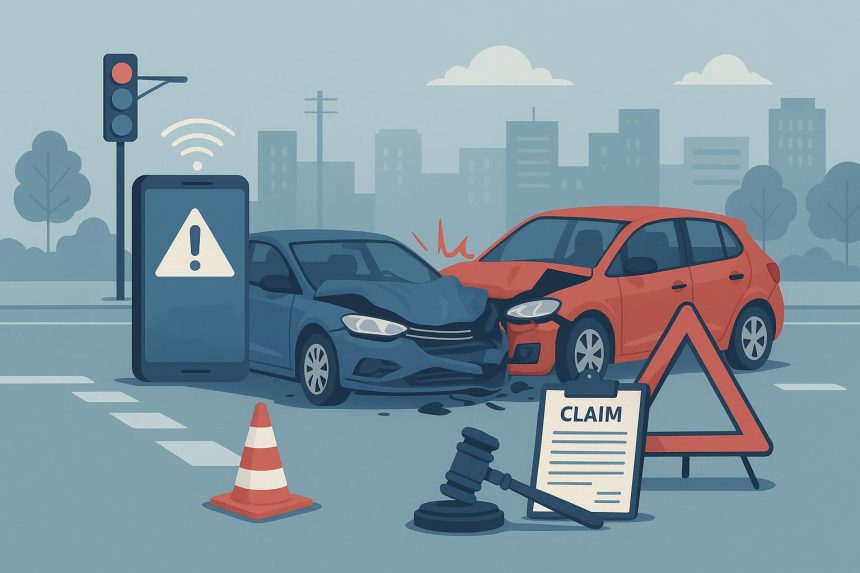
A car accident can happen without warning. One moment you are driving normally, and the next moment everything changes. Loud impact, confusion, and stress often make it difficult to think clearly. Many people are unsure what they should do first, especially when traffic is still moving around them and emotions are running high.
The steps taken in the minutes after a crash can affect safety, insurance claims, and even legal rights. Acting carefully and staying calm helps prevent the situation from becoming worse. It also helps protect everyone involved.
Here are the steps you need to take immediately after a car accident.
1. Check for Injuries and Secure the Area
The first priority after any car accident is safety. Before thinking about vehicles or paperwork, check whether anyone is injured. Start with yourself, then check passengers and others involved in the crash. If someone appears seriously hurt, avoid moving them unless there is immediate danger such as fire or oncoming traffic.
If possible, move vehicles out of active traffic lanes. On busy roads, leaving damaged vehicles in the middle of traffic can create additional risks. If the cars cannot be moved, turn on hazard lights to warn approaching drivers.
Standing near moving traffic can also be dangerous. It is better to move to a safe area such as the roadside or sidewalk while waiting for help. Many accidents become more dangerous when drivers step into traffic to inspect damage.
Htet Aung Shine, Co-Founder of NextClinic, said, “Emergency services should be contacted if injuries are present or if the crash is blocking traffic. Medical responders and police officers are trained to manage accident scenes safely.”
2. Call the Police and Report the Accident
Contacting the police is an important step after many accidents. Even if the damage seems minor, an official report creates a record of what happened. This documentation often becomes valuable later when dealing with insurance companies or legal questions.
Accurate records are essential whenever people need to verify details about an event. When information is documented clearly from the beginning, it becomes much easier for everyone involved to confirm what happened later..
When officers arrive at the scene, they usually collect information from drivers, passengers, and witnesses. They may also record road conditions, vehicle damage, and traffic signals nearby. These details help build an objective description of the accident.
A police report helps prevent disagreements later. Drivers sometimes remember events differently after a crash. Having an official report written at the scene reduces confusion about how the accident occurred.
In some states, drivers are legally required to report accidents that involve injuries or significant property damage. Failing to report such incidents may lead to penalties.
Even when reporting is not required, many drivers still choose to contact the police because the report helps support insurance claims. Having an official record ensures that the incident is documented properly.
3. Document the Scene and Gather Evidence
Accident scenes change quickly. Vehicles are moved, traffic resumes, and witnesses leave the area. Collecting information while still at the scene helps preserve details that may be useful later.
Photographs are one of the easiest ways to document an accident. Taking pictures of vehicle damage, road conditions, traffic signs, and surrounding areas helps create a clear visual record. Wide photos showing the overall scene and close-up photos of damage both help explain what happened.
Recording the exact location and time of the accident is also useful. Intersections, street names, and nearby landmarks help identify where the crash occurred.
If there are witnesses nearby, politely asking for their contact information may help later if questions arise about the accident. Witnesses sometimes provide valuable perspectives on how the crash happened.
Writing down details while they are still fresh in memory also helps. Small details about traffic flow or weather conditions can be forgotten later.
4. Exchange Information With the Other Driver
After safety is addressed and the accident is reported, drivers should exchange important information. This step allows both parties to report the accident to their insurance companies and begin the claims process.
The information typically exchanged includes names, phone numbers, driver’s license numbers, license plate numbers, and insurance policy details. Taking photos of licenses and insurance cards can help ensure accuracy.
It is important to remain calm and respectful during this exchange. Accidents often create frustration or anger, but arguments at the scene rarely solve anything. Conversations should stay focused on collecting necessary information.
Bill Sanders, from QuickPeopleLookup, says, “When people gather accurate details immediately after an incident, it helps prevent confusion later. Organized information makes it easier to verify identities and keep records consistent during follow-up steps.”
Drivers should avoid discussing fault or making statements that assign blame. Determining responsibility is usually handled later by insurance companies or investigators who review the evidence.
If more than two vehicles are involved, collecting information from each driver becomes important. Multiple vehicle accidents can create complex claims, and accurate records help prevent confusion later.
5. Seek Medical Attention and Notify Your Insurance Company
After leaving the accident scene, it is important to pay attention to health and begin the insurance process. Some injuries do not appear immediately after a crash. Stress and adrenaline can hide symptoms for several hours.
If any discomfort develops later, medical evaluation is a good idea. Doctors can identify injuries that might not be obvious at first. Early treatment helps prevent minor issues from becoming more serious.
Medical records also create documentation linking injuries to the accident. This documentation may become important when dealing with insurance claims or medical expenses.
Contacting your insurance company soon after the accident helps begin the claims process. Insurers usually ask for basic information about the accident and may request photos or a copy of the police report.
Providing accurate information helps the company review the situation and determine coverage. Keeping copies of documents, repair estimates, and medical bills helps organize the claim.
Lindsay Redd, News Director, Local Accident Reports, says, “After a collision, documentation should be a priority alongside medical care. Local Accident Reports help individuals verify incident details and access public information quickly. This supports insurance filings and legal preparation. Clear records reduce confusion later. Taking structured steps early protects long-term interests.”
Conclusion
A car accident can feel confusing at the moment, but taking the right steps helps bring order to the situation. Prioritizing safety, contacting authorities, documenting the scene, exchanging information, and addressing health concerns all help protect everyone involved.
These actions support insurance claims and help ensure that the accident is handled properly from both a legal and safety perspective. Staying calm and following these steps reduces confusion and prevents additional problems after the crash.

Lynn Martelli is an editor at Readability. She received her MFA in Creative Writing from Antioch University and has worked as an editor for over 10 years. Lynn has edited a wide variety of books, including fiction, non-fiction, memoirs, and more. In her free time, Lynn enjoys reading, writing, and spending time with her family and friends.