More people today feel like their nervous system is stuck in fight or flight — constantly switched on, overstimulated, and unable to fully recover.
Not necessarily anxious all the time.
Just unable to truly relax.
You sleep, but wake up tired. You rest, but your mind still races. You take time off, but your body never fully feels calm.
For many professionals, founders, athletes, and high performers, the issue may not simply be workload anymore.
It may be nervous-system overload.
The Hidden Cost of Staying Switched On
Modern culture rewards stimulation.
Fast decisions. Constant notifications. Performance pressure. Endless information. Little recovery.
The body was never designed for continuous activation.
Yet many people now spend years operating in a low-grade fight-or-flight state without realizing it.
The result often looks like:
- fatigue despite rest
- poor sleep quality
- brain fog
- reduced focus
- stress sensitivity
- physical tension
- inconsistent recovery
- feeling “wired but tired”
Over time, this can influence far more than mood alone because the nervous system regulates many of the body’s core functions.
Why the Nervous System Matters More Than People Think
The autonomic nervous system helps control automatic processes like:
- heart rhythm
- stress response
- digestion
- inflammatory signalling
- recovery physiology
- emotional regulation
At the center of this system is the vagus nerve — one of the body’s primary communication pathways between the brain and major organs.
Researchers now believe vagal activity may play an important role in how effectively the body shifts between stress and recovery states.
That’s why nervous-system regulation has become one of the fastest-growing areas of modern health research.
The Rise of Vagus Nerve Stimulation Devices
As interest in nervous-system health grows, so does interest in the vagus nerve stimulation device category.
These devices are designed to stimulate vagal pathways using small electrical signals.
Some systems target the neck. Others use the ear, where certain vagal fibres are accessible closer to the skin surface.
This newer ear-based approach is called auricular vagus nerve stimulation.
Importantly, researchers are not studying these systems simply as relaxation tools.
They are investigating their potential influence on broader autonomic regulation, including stress physiology, sleep quality, HRV, recovery, fatigue, and cognitive performance.
Why Simplicity Is Becoming Important
One of the biggest lessons emerging from nervous-system research is that consistency matters.
Not intensity.
The body tends to respond better to repeated, structured inputs over time than occasional extreme interventions.
That’s one reason simpler wearable systems are gaining attention.
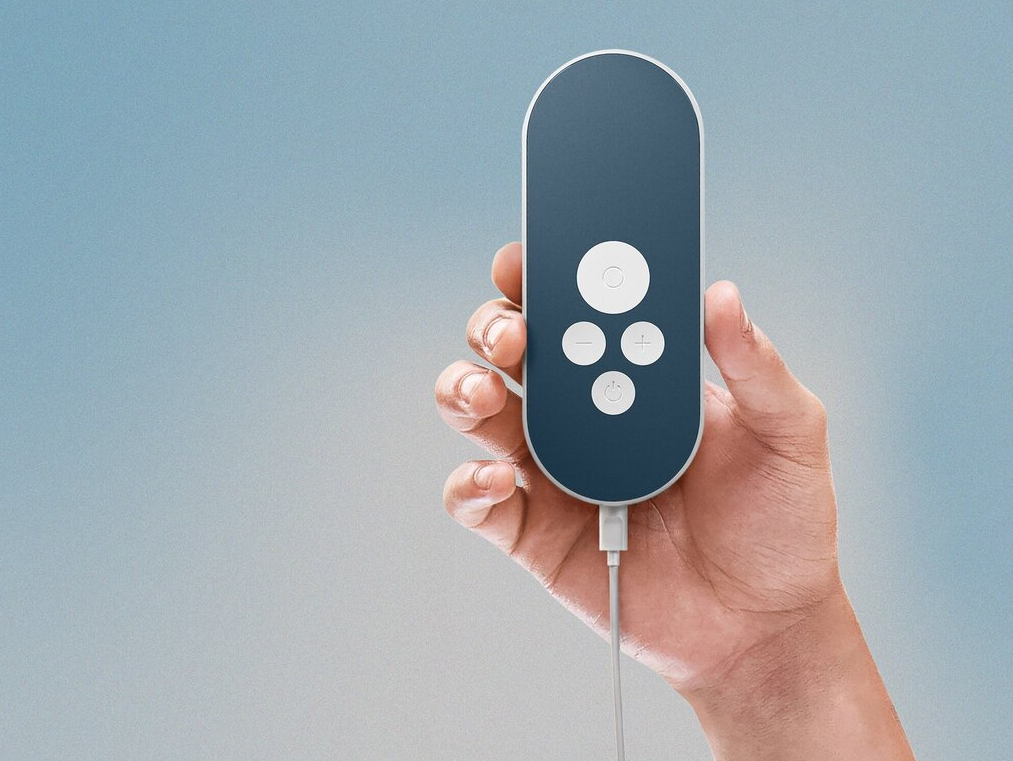
Nuropod, for example, is an auricular vagus nerve stimulation device designed around short, structured daily sessions rather than highly complicated routines.
The system focuses on:
- ear-based stimulation
- wearable usability
- simple daily integration
- structured stimulation delivery
- repeatable nervous-system support
The broader auricular neuromodulation field has now been explored across dozens of clinical studies and millions of real-world sessions globally.
Recovery Is Becoming the New Performance Advantage
For years, performance culture focused almost entirely on output.
Now the conversation is changing.
More people are realizing that sustained performance depends on recovery capacity just as much as productivity.
That doesn’t mean avoiding ambition.
It means understanding that the nervous system is not separate from performance — it is the foundation underneath it.
And for many people, learning how to support nervous-system regulation may become one of the most important health conversations of the next decade.
Final Thought
The future of wellness may look less like “hacking” the body and more like helping the body regulate itself more effectively.
That shift is why interest in vagus nerve stimulation devices, autonomic regulation, and auricular neuromodulation continues to grow.
Because sometimes the problem is not that people are weak, lazy, or unmotivated.
Sometimes the body simply never gets the signal that it’s safe to recover.

Lynn Martelli is an editor at Readability. She received her MFA in Creative Writing from Antioch University and has worked as an editor for over 10 years. Lynn has edited a wide variety of books, including fiction, non-fiction, memoirs, and more. In her free time, Lynn enjoys reading, writing, and spending time with her family and friends.