Introduction
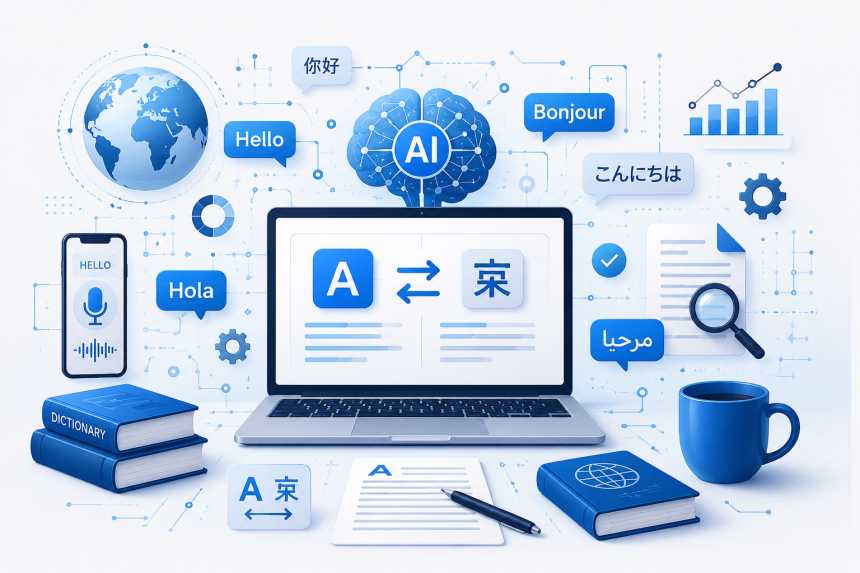
AI has become a valuable part of a translator’s workflow, helping with everything from drafting translations and managing terminology to proofreading and transcription. Rather than replacing professional translators, these tools help reduce repetitive work and improve productivity, allowing linguists to focus on accuracy, context, and cultural nuances.
Whether you work as a freelance translator, interpreter, or localization specialist, choosing the right combination of AI tools can make everyday projects faster and easier. Here are eight tools worth exploring.
Table of Contents
- Google Translate
- LanguageTool
- Lara Translate
- DeepL
- ChatGPT
- Smartcat
- Phrase
- MemoQ
Google Translate
Google Translate is one of the most widely used AI translation tools for everyday translation tasks. It supports a large number of languages and helps users quickly translate text, documents, websites, images, and speech, making it a practical option for translators handling quick references or initial drafts.
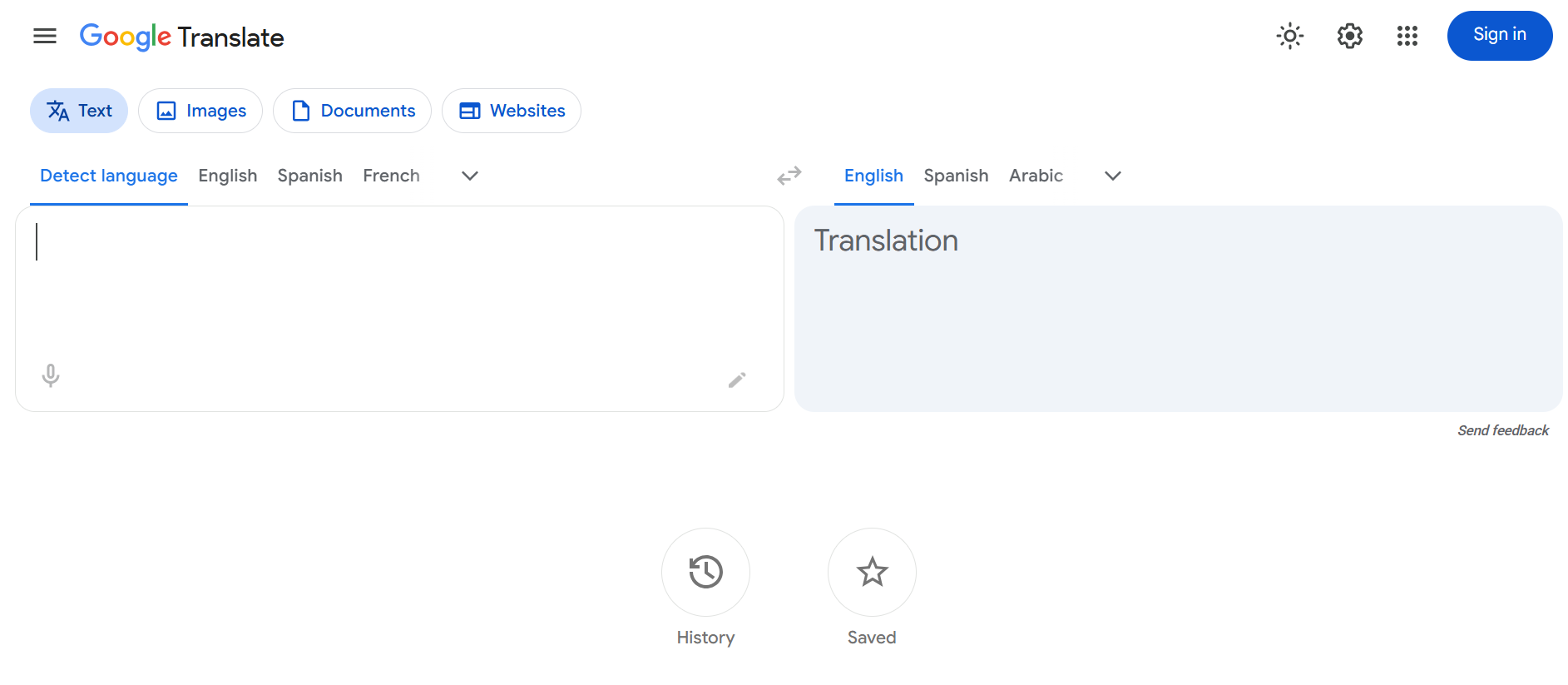
- Supports translation across a wide range of languages.
- Translates text, documents, websites, images, and speech.
- Useful for quick translations and multilingual communication.
LanguageTool
LanguageTool is an AI writing assistant that helps translators review grammar, spelling, punctuation, and style. It works across multiple languages and is often used as a final proofreading step before content is delivered.
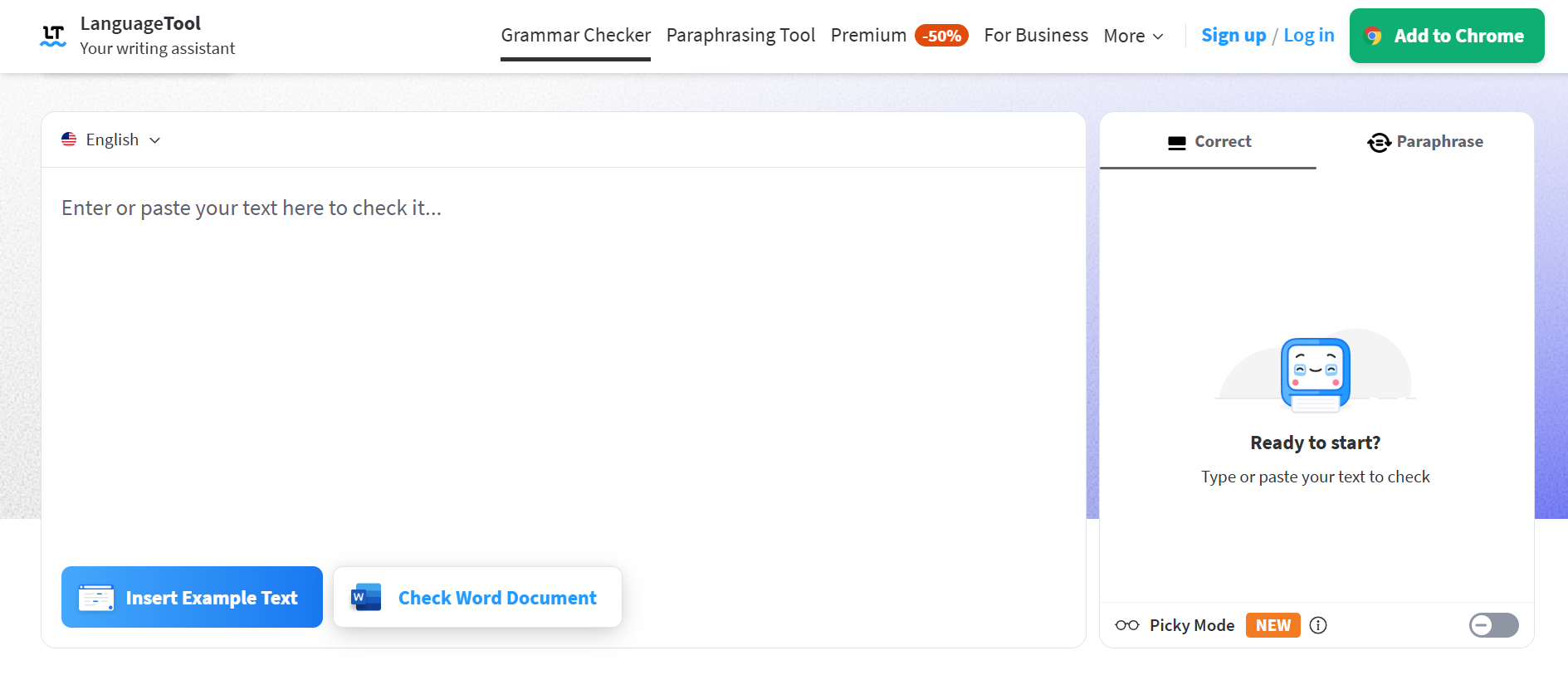
- Checks grammar and spelling in multiple languages.
- Suggests style and readability improvements.
- Integrates with browsers and popular writing platforms.
Lara Translate
Lara Translate is an AI-powered translation platform built to help individuals, businesses, and localization teams translate documents and multilingual content more efficiently. Beyond AI translation, it includes features such as translation memories and glossaries to help maintain consistent terminology across projects.
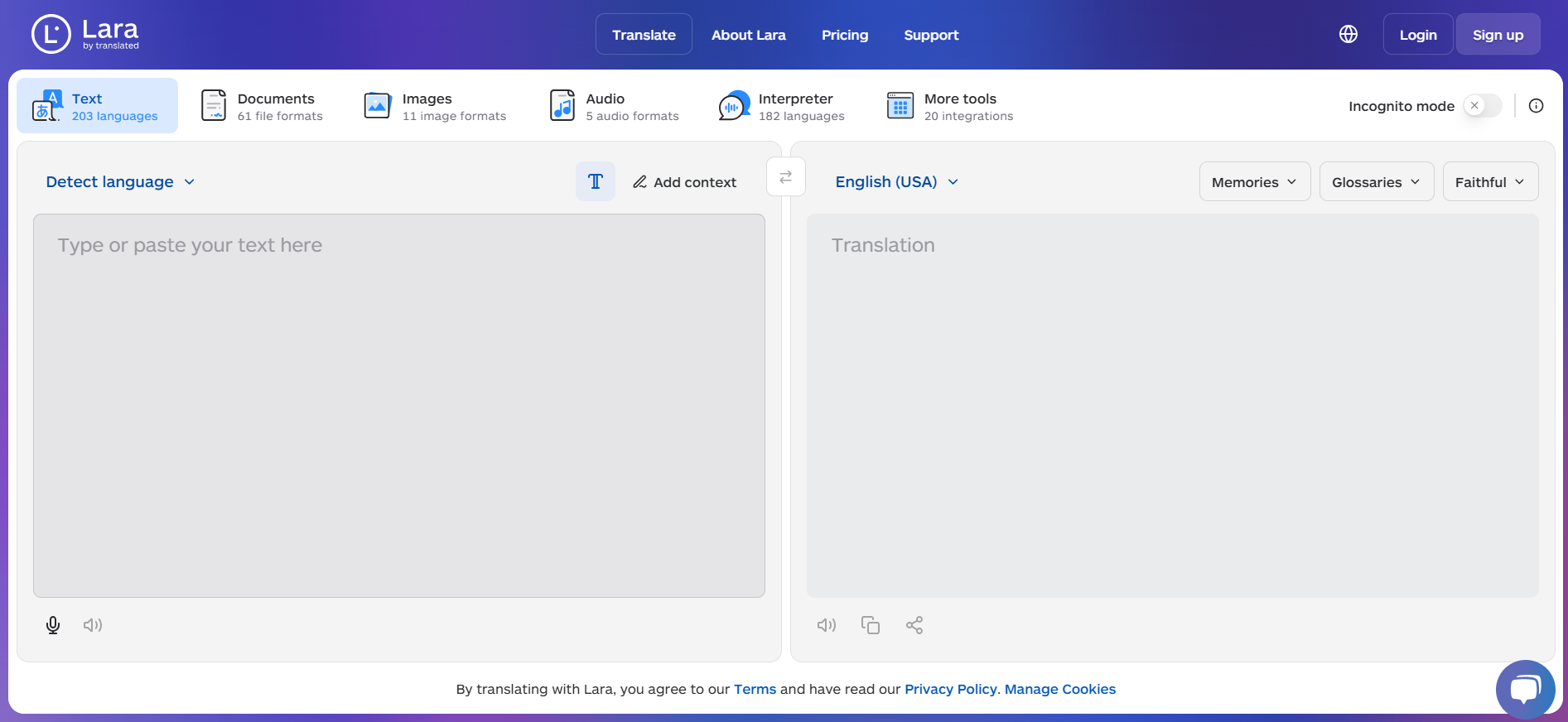
- Translates documents while preserving formatting.
- Supports translation memories and glossaries for consistency.
- Designed for multilingual business and localization workflows.
Amazon Translate
Amazon Translate is Amazon Web Services’ AI-powered machine translation service designed for businesses that need to translate large volumes of content. It integrates with other AWS services, making it a practical choice for applications, websites, and enterprise workflows that require scalable multilingual support.

- Translates large volumes of text using AI.
- Integrates with the AWS ecosystem and developer workflows.
- Suitable for websites, applications, and enterprise content translation.
ChatGPT
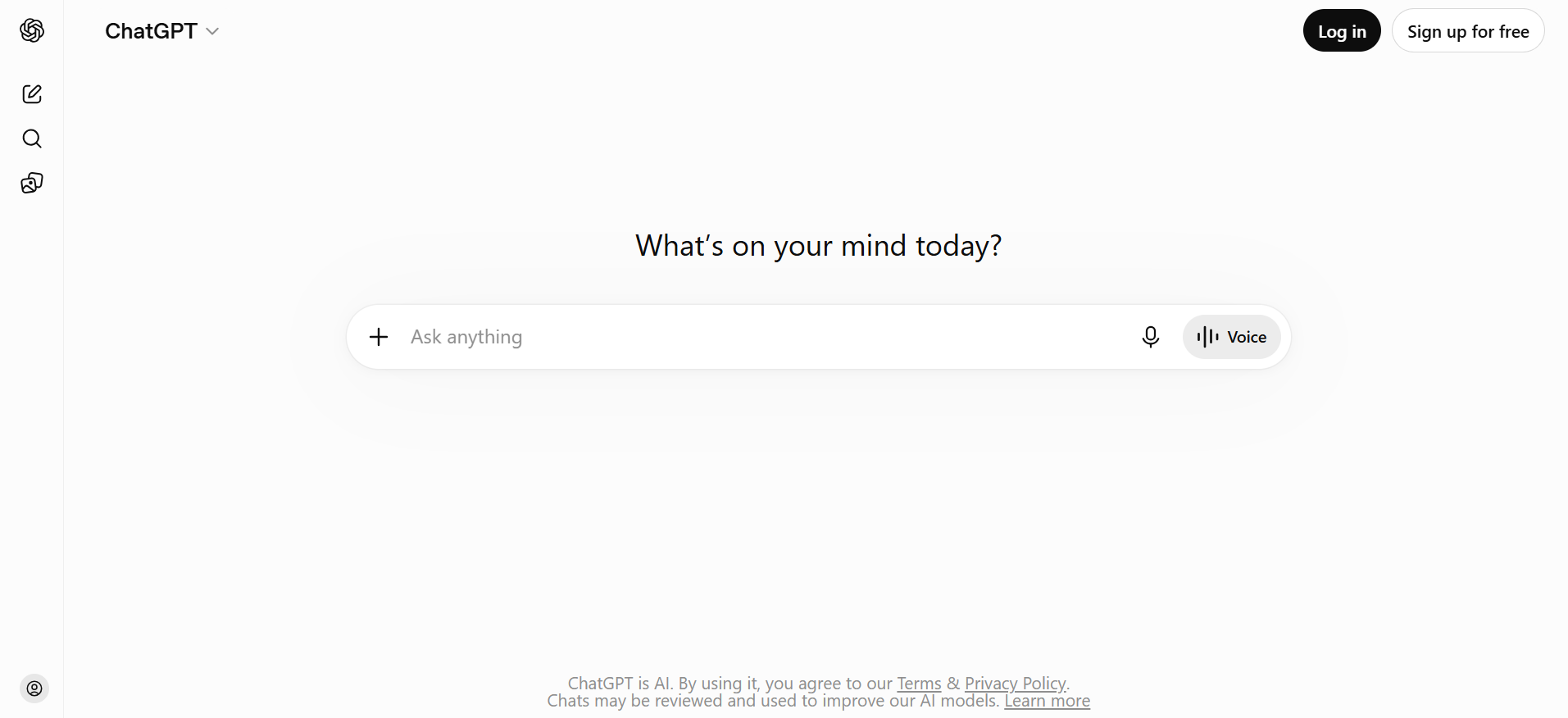
ChatGPT is often used alongside traditional translation tools rather than replacing them. Translators rely on it to explain terminology, rewrite difficult sentences, summarize source material, and adjust tone for different audiences before or after translation.
- Helps research terminology and context.
- Improves sentence clarity and style.
- Assists with rewriting and post-editing tasks.
Smartcat
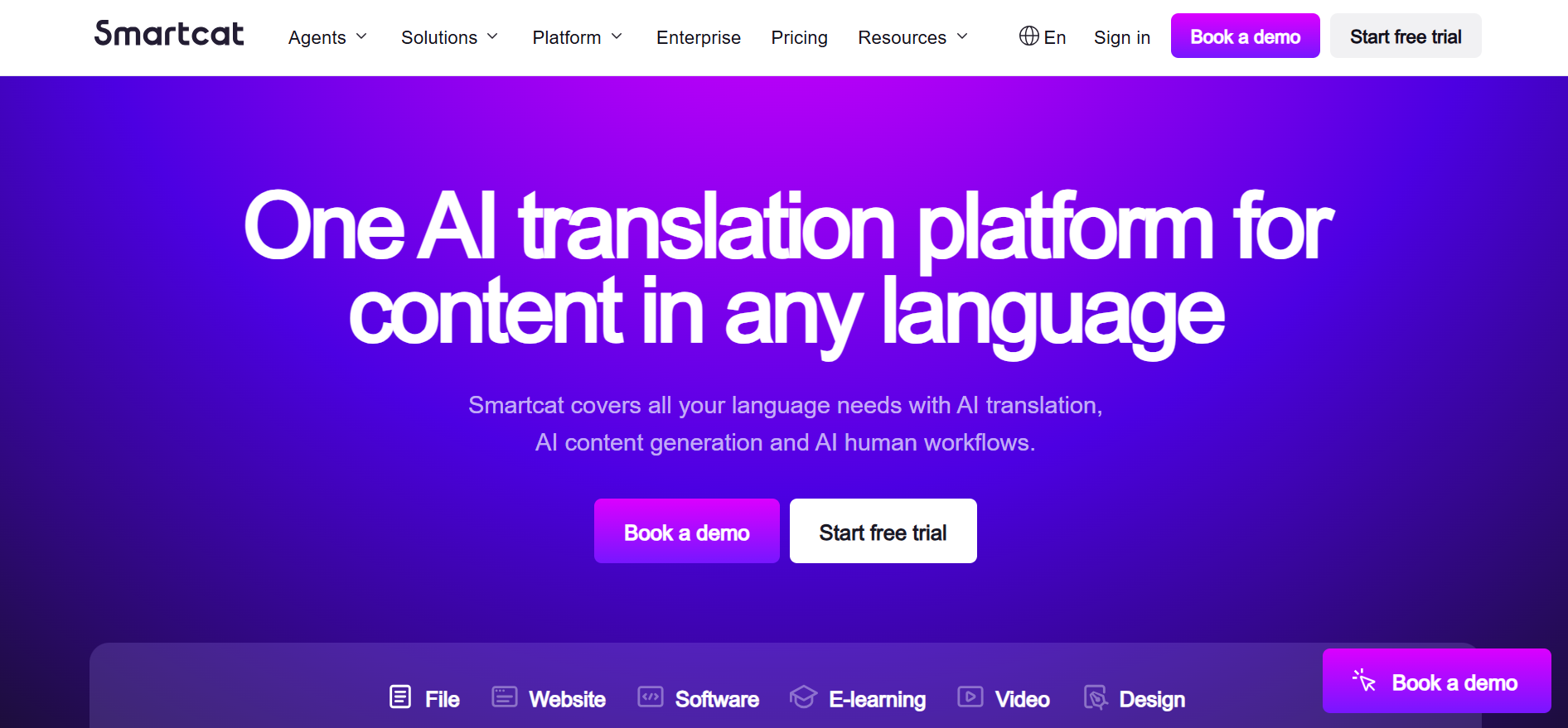
Smartcat combines AI translation with project management and collaboration features in a single platform. It allows translators, reviewers, and clients to work together while keeping translation memories and glossaries organized.
- Supports collaborative translation projects.
- Includes AI translation and translation memory.
- Centralizes multilingual project management.
Phrase
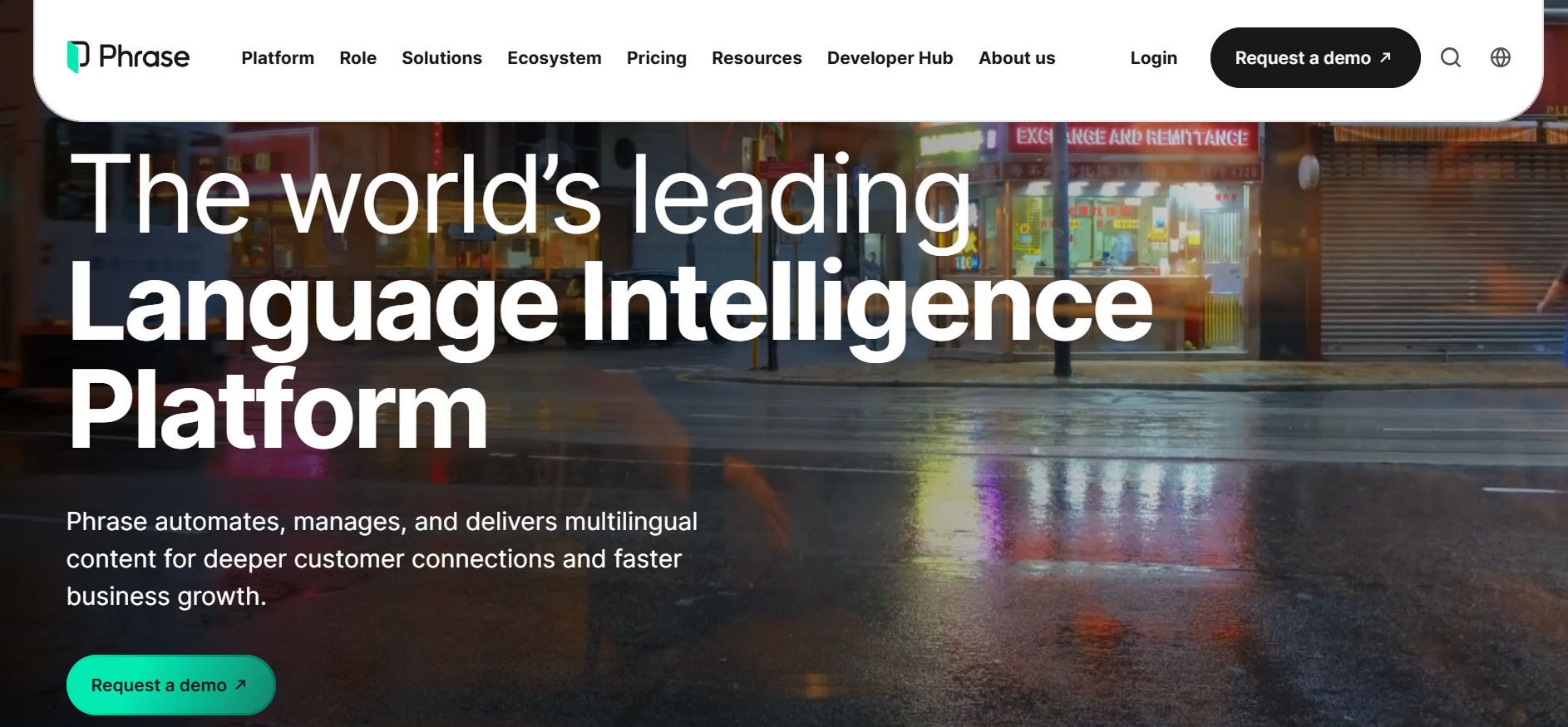
Phrase is widely used by localization teams managing websites, apps, and software products. It brings translation workflows, automation, and quality checks together, making it easier to coordinate multilingual releases.
- Automates localization workflows.
- Supports translation memories and terminology management.
- Integrates with development and content platforms.
MemoQ
MemoQ is a computer-assisted translation (CAT) tool designed for professional translators and language service providers. It helps organize projects while making better use of translation memories and terminology databases.

- Manages translation memories and termbases.
- Includes quality assurance checks.
- Supports collaborative translation projects.
Conclusion
Every translator works differently, so there is no single AI tool that fits every workflow. Some platforms are better suited for document translation, while others excel at terminology management, localization, proofreading, or multimedia projects. Building a toolkit that matches your daily work can improve productivity while leaving the final linguistic decisions where they belong: with the translator.

Lynn Martelli is an editor at Readability. She received her MFA in Creative Writing from Antioch University and has worked as an editor for over 10 years. Lynn has edited a wide variety of books, including fiction, non-fiction, memoirs, and more. In her free time, Lynn enjoys reading, writing, and spending time with her family and friends.