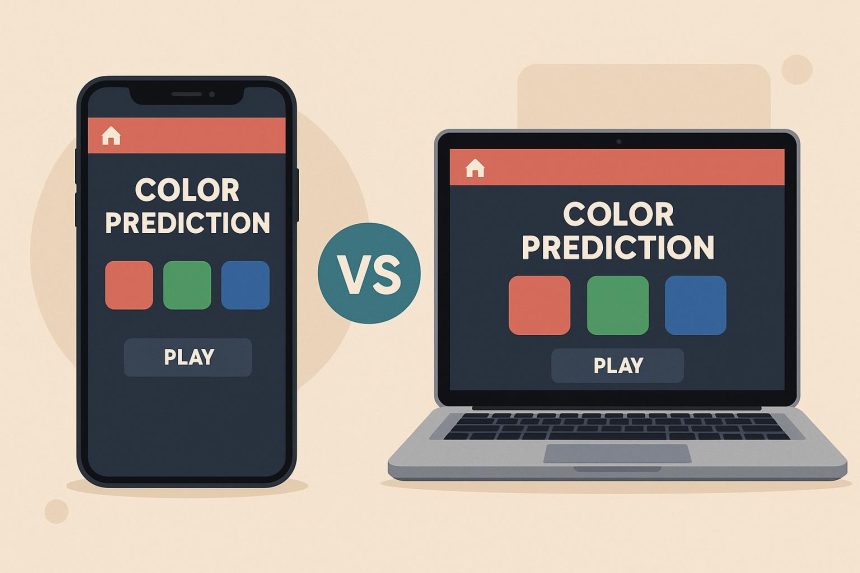
Online color prediction games have become a popular form of digital entertainment, attracting millions of players worldwide. Their appeal lies in simplicity, quick rewards, and accessibility. However, the way users access these games varies significantly. Some prefer mobile applications, while others rely on web-based platforms like BDG Game. Each mode of access offers unique advantages and challenges, shaping the overall user experience. Understanding the differences between app-based and web-based color prediction games is essential for players who want to maximize convenience, security, and enjoyment.
Accessibility and Convenience
App-based color prediction games are designed for mobile devices, making them highly accessible. With just a few taps, players can download an app and start playing instantly. Apps often provide a smoother experience because they are optimized for specific operating systems, such as Android or iOS. On the other hand, web-based platforms require no installation. Players can access them directly through browsers, which makes them convenient for those who prefer not to download additional software. Web-based games are also compatible across devices, allowing users to switch between desktops, laptops, and mobile phones seamlessly.
Performance and User Experience
Performance is a critical factor in gaming. App-based platforms generally deliver faster load times and smoother animations because they are tailored to mobile hardware. They can also integrate with device features such as push notifications, biometric authentication, and offline play. Web-based platforms, while versatile, may depend heavily on internet speed and browser compatibility. Some users experience lag or slower response times compared to apps. However, web-based games often benefit from regular updates without requiring downloads, ensuring that players always access the latest version.
Security and Privacy
Security is a major concern in online gaming, especially when financial transactions are involved. App-based games often integrate with secure payment gateways and device-level protections like fingerprint or face recognition. This adds an extra layer of trust for users. However, apps may also pose risks if downloaded from unofficial sources, exposing players to malware. Web-based platforms, when accessed through secure browsers, provide strong encryption and protection against phishing. Yet, users must remain cautious about fake websites that mimic legitimate platforms. Both app-based and web-based games require vigilance, but apps tend to offer more personalized security features tied to the device.
Updates and Maintenance
App-based platforms require users to download updates periodically. While this ensures improved features and bug fixes, it can be inconvenient for players with limited storage or slow internet connections. Web-based platforms, in contrast, update automatically. Players always access the latest version without manual intervention. This makes web-based games more flexible for users who prefer hassle-free maintenance. However, apps often deliver richer updates with enhanced graphics and interactive features, which can elevate the overall experience.
Community and Engagement
Community engagement is another area where differences emerge. App-based platforms often integrate social features such as chat rooms, leaderboards, and notifications that keep players connected. These features encourage loyalty and regular participation. Web-based platforms may offer similar features, but they are often less immersive due to browser limitations. Apps can also send personalized alerts, reminding users of upcoming events or promotions, which strengthens engagement. Web-based platforms rely more on email or in-game announcements, which may not be as immediate or interactive.
Flexibility and Reach
Web-based platforms have the advantage of universal reach. They can be accessed from virtually any device with a browser, making them ideal for players who switch between devices frequently. App-based platforms, while highly optimized, are limited to specific operating systems and require installation. This can restrict access for users who prefer not to download apps or who use devices with limited compatibility. Web-based games therefore appeal to a broader audience, while apps cater to users seeking a more tailored and immersive experience.
Conclusion
Both app-based and web-based online color prediction games offer distinct benefits and limitations. Apps excel in performance, security, and engagement, providing a more immersive and personalized experience. Web-based platforms, on the other hand, shine in accessibility, flexibility, and ease of maintenance. The choice between the two ultimately depends on user preferences and priorities. Players who value convenience and cross-device compatibility may lean toward web-based platforms, while those seeking speed, security, and deeper engagement may prefer apps. In the evolving landscape of online color prediction games, both formats will continue to coexist, offering diverse experiences to meet the needs of a growing global audience.

Lynn Martelli is an editor at Readability. She received her MFA in Creative Writing from Antioch University and has worked as an editor for over 10 years. Lynn has edited a wide variety of books, including fiction, non-fiction, memoirs, and more. In her free time, Lynn enjoys reading, writing, and spending time with her family and friends.