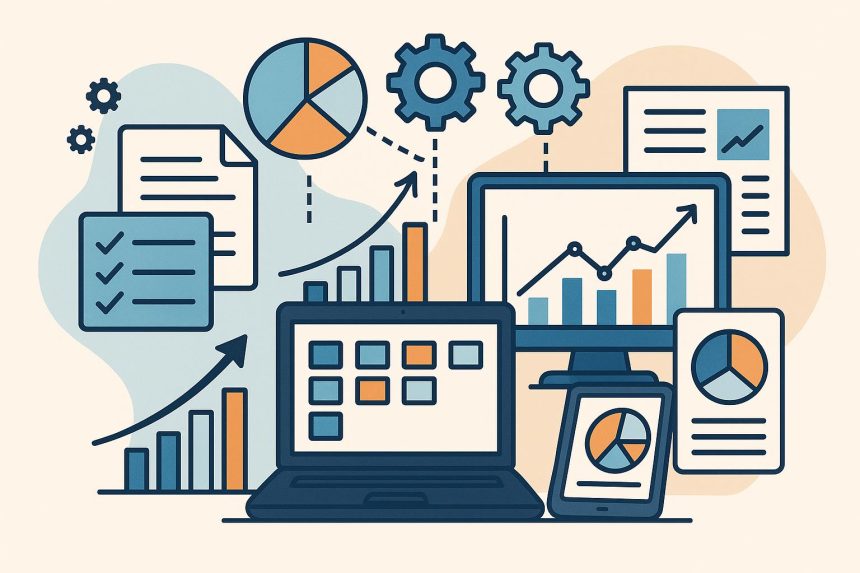
Operations teams handle a constant flow of requests, shifting priorities, and tight timelines. Their work shapes how smoothly an organization functions, so clarity and reliable structure matter. When teams juggle projects without a shared system, work slows, and small delays ripple into larger slowdowns.
This is where structured portfolio practices strengthen performance. When operations teams introduce project portfolio management they gain real clarity around workloads, priorities, and progress. That clarity smooths handoffs, raises accountability, and supports steady gains across the entire operation.
Creates A Collected Source Of Data
Clear information keeps operations moving. A shared platform brings scattered tasks, deadlines, and requirements into one place. Instead of relying on old messages or outdated files, everyone works from the same details and sees updates in real time.
This shared space also removes guesswork. When teams understand what sits on the collective plate, they respond faster and plan with fewer interruptions. Work streams line up cleanly, and the team feels more grounded in its day-to-day responsibilities.
Strengthens Prioritization
Operations teams handle many demands at once. A portfolio approach ranks work based on impact, urgency, and resource needs. Instead of reacting to the loudest request, teams act on what brings meaningful results.
Clear priority tiers guide smarter scheduling. Teams assign time and energy where it moves the needle. This steadiness helps deliver predictable outcomes and creates a smoother path for cross-functional partners.
Improves Resource Use
Teams do their best when workloads feel balanced. Portfolio software show where teams have space and where they feel pressure. Leaders can spread responsibilities in a way that protects quality while avoiding overload.
This balanced distribution supports steady performance. It becomes easier to set realistic timelines, match skills to tasks, and prevent slowdowns. As a result, operations teams maintain solid momentum through busy cycles.
Supports Transparent Decision Making
Teams choose better paths when decisions rest on reliable information. Portfolio dashboards present performance trends, risks, and progress in clear terms. Leaders gain insight into what needs attention without digging through scattered reports.
This visibility helps everyone move in the same direction. When teams understand how each project fits into the broader operation, choices become steadier and more aligned. Strong alignment reduces confusion and strengthens trust.
Raises Accountability
Clear expectations drive consistent results. Portfolio software assign owners for tasks, milestones, and deliverables. Everyone sees who handles what, and progress updates stay visible across the team.
This level of clarity builds healthy habits. Team members stay aware of their roles and support each other in reaching key checkpoints. When accountability flows naturally, operational outcomes feel smoother and more reliable.
Boosts Measurable Performance
Operations work thrives when improvements show up in data. Portfolio systems track cycle times, capacity trends, workload patterns, and delivery metrics. With these insights, teams refine processes that affect speed and quality.
These measured gains reinforce strong working practices. When teams see improvements appear in clear metrics, they maintain the behaviors that support them. This creates a practical loop that strengthens performance over time.
Enhances Collaboration
Operations teams coordinate across many functions. Portfolio Software open clear pathways for communication, discussions, and shared tracking. Instead of scattered updates, teams exchange accurate information in a structured space.
This shared environment reduces delays and strengthens cross-functional teamwork. When everyone understands what others need, collaboration becomes steady and productive. Projects move forward without hesitation.
Project leaders appreciate the reliable structure that project portfolio management brings to daily operations. Its cohesive systems give teams clarity, momentum, and measurable gains that build stronger outcomes. The ability to see everything in one place creates steadier decision-making. Workloads stay balanced, and projects reach completion with fewer disruptions.

Lynn Martelli is an editor at Readability. She received her MFA in Creative Writing from Antioch University and has worked as an editor for over 10 years. Lynn has edited a wide variety of books, including fiction, non-fiction, memoirs, and more. In her free time, Lynn enjoys reading, writing, and spending time with her family and friends.