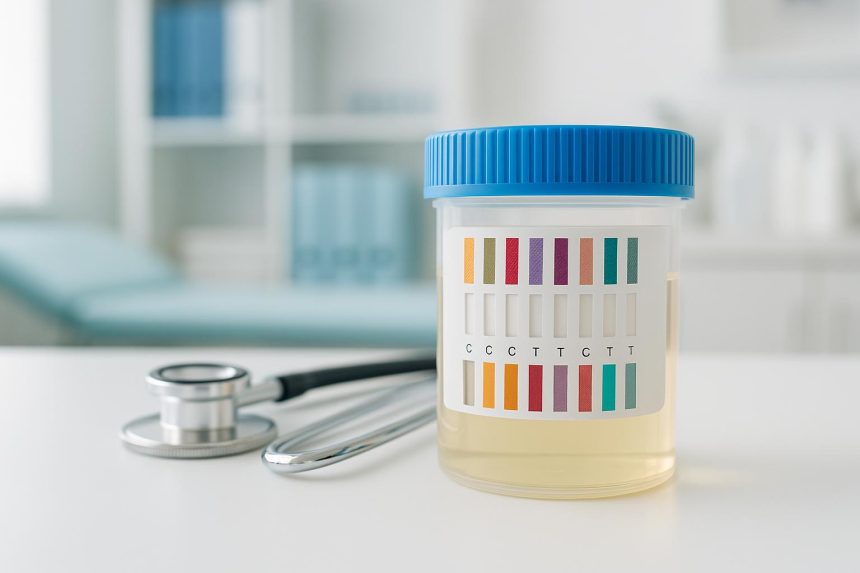
Multi-panel drug test cups are a common, cost-effective screening tool used by employers, clinics, and occupational health programs to quickly detect multiple substances from a single urine sample. They deliver instant, point-of-care results, enabling faster decisions about fitness for duty, treatment pathways, or need for confirmatory laboratory testing. This article explains how these cups work, why organizations choose them, how to pick the right panel count and features, and best practices for implementation and compliance.
What Multi-Panel Drug Test Cups Are And How They Work
Multi-panel drug test cups combine a specimen collection container with integrated lateral-flow immunoassay strips that detect drug metabolites. When urine is deposited into the cup, it flows through test strips calibrated to specific cutoff concentrations: a color change or visible line indicates a presumptive positive or negative result. Most cups test for a basket of common analytes such as THC (marijuana), amphetamines, methamphetamines, cocaine (benzoylecgonine), opiates (morphine/codeine), and oxycodone, but panels may extend to benzodiazepines, buprenorphine, methadone, and fentanyl.
Because they’re immunoassays, these cups detect metabolites rather than parent drugs, and their sensitivity depends on established cutoff levels (for example, 50 ng/mL or 2000 ng/mL for some analytes). Results typically appear within minutes, often five minutes, making them suitable for point-of-care screening. Importantly, they are presumptive tests: any non-negative result should be followed by a confirmatory laboratory method like GC-MS or LC-MS/MS to ensure accuracy and defensibility.
Why Employers And Clinics Use Multi-Panel Cups
Employers and clinics favor multi-panel drug test cups for several practical reasons:
- Speed and convenience: Instant results reduce time to decision for pre-employment screenings, random testing, or clinical intake. Clinics can triage patients more quickly: employers can avoid extended waiting that disrupts operations.
- Cost-effectiveness: Compared with sending every specimen to a lab, cups lower per-test costs, useful when screening large workforces or high-volume clinics.
- Single-specimen workflow: Collection, adulteration detection, and preliminary readout happen in one device, simplifying logistics and minimizing handling.
- Portability and point-of-care use: No specialized equipment is required, making cups ideal for mobile clinics, remote worksites, and on-site occupational health programs.
Organizations should remember the trade-offs: convenience and lower cost come with limitations in sensitivity and specificity versus laboratory testing. For legal or safety-critical decisions, presumptive positives require lab confirmation to avoid employment or clinical errors.
Choosing The Right Panel Count For Your Needs
Selecting the appropriate panel count is a balance of risk management, budget, and clinical needs. More panels catch a broader range of substances, but they cost more and can increase the chance of unrelated or low-risk positives.
Common Panel Configurations
Common configurations include 5-panel, 10-panel, and expanded 12–14 panel cups. Typical 5-panel sets screen for THC, cocaine, opiates, amphetamines, and PCP or oxycodone. Ten- and 12-panel cups add benzodiazepines, methadone, buprenorphine, barbiturates, and sometimes synthetic opioids like fentanyl. Clinics treating patients for substance use may prefer expanded panels to guide treatment plans, while many employers rely on 5- or 10-panel screens aligned with company policy or industry standards.
Choosing Based On Risk Profile And Use Case
Risk profile guides selection: safety-sensitive industries (transportation, construction, energy) should prioritize substances that impair performance and are regulated by authorities (e.g., DOT testing lists). Healthcare and addiction-treatment clinics often require broader panels, including buprenorphine and fentanyl, because those substances influence clinical decisions. Employers with limited budgets and low-risk roles might opt for a standard 5-panel: but, organizations must ensure their panel choice aligns with written policies and local regulations.
Key Features To Evaluate Before Buying
Not all multi-panel drug test cups are created equal. Buyers should evaluate technical features, reliability, and compliance-related attributes.
Tamper-Resistance And Adulteration Detection
Quality cups include physical tamper-evident seals and chemical adulteration indicators. Adulteration strips test for extreme pH, specific gravity, and oxidants that signal dilution or contamination. A tamper-evident design reduces chance of sample substitution and supports defensible testing.
Temperature Strips, Integrated Alcohol/ETG, And Fentanyl Testing
Temperature strips confirm the specimen’s temperature range immediately after collection, critical to detect substituted cold specimens. Some cups integrate ethyl glucuronide (ETG) or alcohol testing and include fentanyl detection: fentanyl has become essential in many settings because of rising overdose risk and its high potency requiring sensitive detection.
Ease Of Use, Result Readability, And CLIA Waiver Status
Usability matters: clear instructions, unambiguous result windows, and readable control/test lines reduce operator error. Buyers should also check CLIA waiver status if tests will be used in waived clinical settings, this affects where and how testing can legally occur and who can perform it.
Implementation Best Practices For Employers And Clinics
Effective implementation combines process controls, training, and respect for privacy.
Chain Of Custody, Documentation, And Sample Handling
Maintain a documented chain of custody from collection through disposal. Use labeled containers, signed forms, and secure storage for any specimens sent to a lab. Clear documentation supports legal defensibility and audit readiness.
Staff Training, Testing Policies, And Privacy Considerations
Train staff on collection protocols, recognizing adulteration, interpreting results, and handling non-negative findings. Written policies should cover who is tested, when testing occurs, consequences, and accommodation procedures. Employers must balance workplace safety with privacy, minimize unnecessary disclosure and limit access to test results.
Interpreting Results, Confirmatory Testing, And Recordkeeping
Treat cup results as presumptive. Establish a standard operating procedure for confirmatory testing, e.g., immediate split-sample submission to a certified lab after a non-negative. Maintain secure records for the time required by state law or industry standards and ensure access is restricted to authorized personnel.
Accuracy, Limitations, And Common Sources Of Error
Understanding limitations prevents misinterpretation and legal exposure.
False Positives/Negatives And Cutoff Levels
Immunoassays can yield false positives from cross-reacting medications (e.g., some cold medicines can affect amphetamine tests) or false negatives if the sample is diluted or the analyte level is below the cutoff. Cutoff thresholds are set to balance sensitivity and specificity, knowing the manufacturer’s cutoffs helps interpret borderline results.
When To Send Confirmatory Lab Tests (GC-MS/LC-MS/MS)
Any presumptive positive that could affect employment, safety, or clinical care should be confirmed by GC-MS or LC-MS/MS. Confirmatory testing resolves cross-reactivity issues, quantifies levels if needed, and provides legally defensible results for HR or clinical decision-making.
Regulatory, Legal, And Compliance Considerations
Compliance varies by jurisdiction and test context.
CLIA, DOT, State Laws, And Consent Requirements
Testing in clinical settings may require CLIA certification or adherence to waiver rules. DOT-regulated employers must follow federal testing protocols and use certified laboratories for confirmatory testing. State laws can dictate consent, notification, and permissible testing circumstances, some jurisdictions restrict pre-employment testing or have specific collection requirements.
Data Security, HIPAA, And Employment Law Risks
Clinical test results are often protected health information under HIPAA: employers should limit medical data access and adopt secure recordkeeping. Employment law risks include wrongful termination claims based on flawed testing processes, sound policies, consistent application, and confirmatory testing reduce exposure.
Procurement, Cost, And Vendor Selection Tips
Smart procurement balances price, reliability, and vendor support.
Buying In Bulk, Warranty, And Quality Certifications
Bulk purchasing reduces per-test costs, but buyers should confirm shelf life and storage conditions. Look for warranties, ISO certification, and compliance statements. A reputable vendor provides lot-specific documentation and COAs (certificates of analysis) upon request.
Evaluating Suppliers, Pricing Models, And Sample Trials
Evaluate suppliers on reliability, customer support, and supply-chain stability. Request sample trials to check ease of use and readability in the actual setting. Compare pricing models, unit pricing, subscription, or bundled services including training and documentation. A short trial helps detect issues like faint lines or ambiguous instructions before committing to large orders.
Conclusion
Multi-panel drug test cups are a pragmatic screening tool for employers and clinics that need quick, low-cost insights into substance use. When chosen and implemented thoughtfully, selecting appropriate panels, verifying tamper-evidence and temperature checks, training staff, and following clear chain-of-custody and confirmatory protocols, these cups support safer workplaces and better clinical triage. Recognizing their limits and aligning testing practices with regulatory and privacy obligations ensures results are useful and defensible. For organizations scaling screening programs, trialing products, documenting procedures, and partnering with reliable suppliers will pay dividends in accuracy, compliance, and operational efficiency.

Lynn Martelli is an editor at Readability. She received her MFA in Creative Writing from Antioch University and has worked as an editor for over 10 years. Lynn has edited a wide variety of books, including fiction, non-fiction, memoirs, and more. In her free time, Lynn enjoys reading, writing, and spending time with her family and friends.