For many homeowners, the garden is meant to be a place to relax. It’s where mornings start with coffee outdoors, children play after school, and evenings wind down after busy days. Yet for people living near roads, schools, or growing neighbourhoods, noise can quickly interrupt that sense of calm.
As towns expand and homes are built closer together, outdoor noise has become one of the most common complaints among homeowners. That’s why more people are turning to acoustic fencing as a practical way to reclaim peace and privacy without sacrificing the look of their garden.
Rather than simply marking boundaries, modern fencing now plays an active role in improving how outdoor spaces feel and function.
What Is Acoustic Fencing?
Acoustic fencing is specifically designed to reduce noise transmission. Unlike standard panels, which mainly provide privacy and security, acoustic systems are engineered to absorb and deflect sound waves.
The construction typically includes:
- Densely fitted timber boards
- Minimal gaps between panels
- Increased panel thickness
- Strong structural framing
These features help prevent sound from passing directly through the fence. Instead, noise is either absorbed or redirected, reducing the overall volume that reaches your garden.
While it won’t create total silence, homeowners often notice a significant reduction in traffic noise, neighbouring activity, or general background sound.
Why Noise Reduction Matters More Than Ever
Modern living has changed how we use our outdoor spaces. Gardens are no longer just decorative areas; they are extensions of the home. Many people now work remotely, exercise outside, or use their garden as a social space.
Constant background noise can affect how relaxing these moments feel. Even low-level sound, repeated throughout the day, can make it harder to unwind or concentrate.
Installing Acoustic fencing helps create a calmer environment, allowing homeowners to enjoy their space as intended. The difference is often subtle at first but becomes noticeable over time as the garden feels more peaceful and enclosed.
Ideal Situations for Acoustic Fencing
Acoustic fencing works particularly well in certain environments. Homes located near busy roads or commuter routes benefit significantly, but there are many other situations where it can help.
Common scenarios include:
- Properties backing onto main roads
- Gardens near playgrounds or schools
- Homes close to rail lines
- New-build estates with limited spacing between houses
- Urban gardens where sound travels easily between properties
Even suburban homes can benefit, especially where sound reflects between buildings and amplifies background noise.
Balancing Function With Design
One concern homeowners often have is whether soundproof fencing will look overly industrial or bulky. Fortunately, modern acoustic panels are designed with appearance in mind.
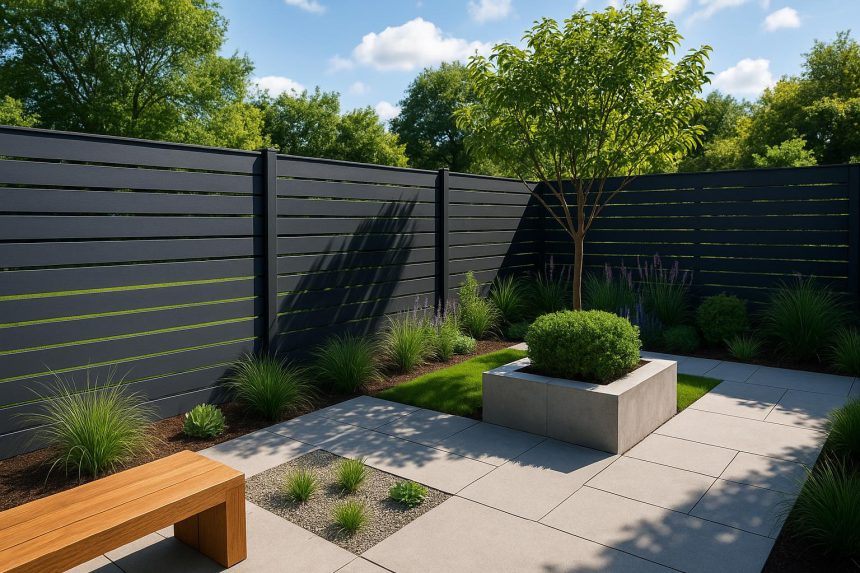
Today’s options combine performance with clean, natural aesthetics. Timber finishes blend seamlessly with planting schemes and landscaping, meaning the fencing enhances the garden visually while improving comfort acoustically.
When installed correctly, acoustic fencing can actually make a garden feel more private and structured, adding a sense of enclosure that many homeowners find appealing.
Suppliers like G&G Fencing specialise in fencing solutions that balance durability, performance, and style, helping homeowners choose options suited to both practical needs and design preferences.
Privacy and Sound Control in One Solution
Another advantage of acoustic fencing is that it solves multiple problems at once. While its primary purpose is noise reduction, it also provides:
- Enhanced privacy
- Improved security
- Wind protection
- Clear garden boundaries
This makes it a cost-effective upgrade compared to addressing each issue separately.
For families, it can create a safer-feeling environment for children to play. For homeowners working remotely, it supports a quieter atmosphere that feels closer to an outdoor office than a shared neighbourhood space.
Installation Considerations
To achieve the best results, acoustic fencing should be installed thoughtfully. Height, positioning, and ground contact all influence performance.
Key considerations include:
- Ensuring panels sit close to ground level to prevent sound gaps
- Choosing adequate height for the noise source
- Installing sturdy posts for long-term stability
- Avoiding gaps between panels
Professional advice or guidance from experienced suppliers can help homeowners select the right configuration for their specific environment.
A Long-Term Investment in Comfort
Unlike decorative garden upgrades that mainly improve appearance, acoustic fencing directly enhances daily living. The benefits are experienced every time you step outside — quieter conversations, reduced traffic hum, and a greater sense of separation from surrounding noise.
As outdoor living continues to grow in importance, investments that improve comfort and usability are becoming increasingly valuable. Buyers are also paying closer attention to garden quality, meaning thoughtful upgrades like acoustic fencing can support property appeal over time.
The Future of Garden Design
Garden design trends are shifting toward wellbeing and functionality. Homeowners want spaces that support relaxation, mental clarity, and flexible living. Noise reduction fits naturally into this movement.
Acoustic fencing represents a practical evolution in outdoor design — one that recognises how modern environments affect everyday life. Rather than simply adapting to noise, homeowners now have solutions that actively improve their surroundings.
Final Thoughts
A peaceful garden doesn’t always require moving house or undertaking a full redesign. Sometimes, the biggest improvement comes from addressing what you hear rather than what you see.
By installing acoustic fencing, homeowners can reduce unwanted noise while improving privacy and structure at the same time. With quality options available through trusted suppliers like G&G Fencing, creating a calmer outdoor space has become both achievable and stylish.
In a world that feels increasingly busy and loud, a quieter garden may be one of the most valuable home upgrades you can make — turning your outdoor space into the retreat it was always meant to be.

Lynn Martelli is an editor at Readability. She received her MFA in Creative Writing from Antioch University and has worked as an editor for over 10 years. Lynn has edited a wide variety of books, including fiction, non-fiction, memoirs, and more. In her free time, Lynn enjoys reading, writing, and spending time with her family and friends.