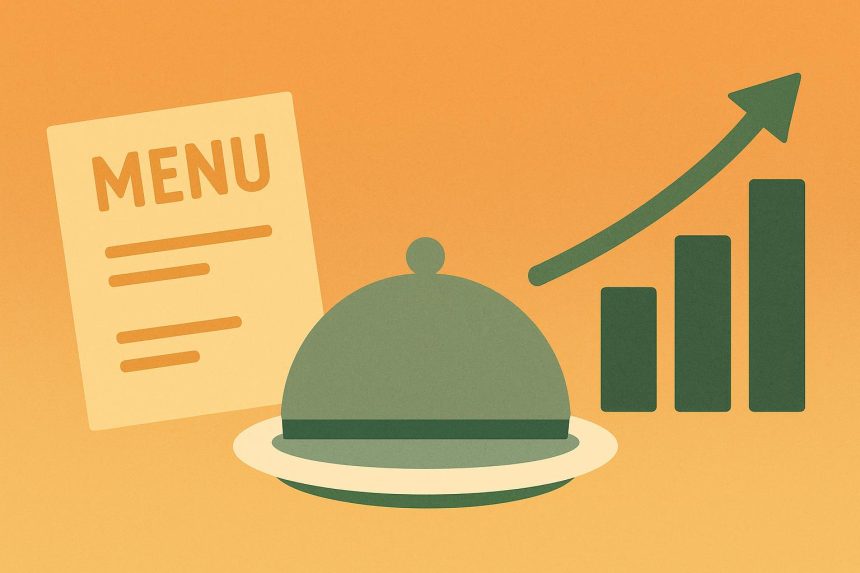
For restaurant owners, boosting revenue often involves avoiding costly full rebrands or wide-ranging renovations. Alternatively, constant growth comes from subtly improving the routine customer experiences that most strongly influence buying decisions. One practical upgrade is implementing commercial digital menu board systems to present items more strategically and respond quickly to customer trends. When paired with intelligent pricing, team coordination, and optimized promotion timing, minor adjustments can yield significant improvements without overstraining resources.
Make High-Margin Items Impossible to Miss
Patrons naturally gravitate toward what they notice initially. Position, contrast, and pictures all influence how rapidly they decide and what they select. Emphasizing top sellers and high-profit plates at eye level boosts the possibility of choice.
Digital menu boards give restaurants the flexibility to rotate featured meals throughout the day. Breakfast screens display platters in the morning, shifting to premium-quality dinner plates later, ensuring the visibility of the highest-profit items.
According to Forbes, menu engineering and visual merchandising significantly influence consumer spending behavior. When restaurants wisely arrange their main items, the typical order amount frequently increases without diners feeling pushed. Good structure also minimizes stalling. When menus are easy to read, customers choose more quickly, keeping queues flowing and improving service effectiveness during busy periods.
Refine Bundles Instead of Raising Prices
To increase revenue without broad price increases, restaurants need to focus on enhancing the perceived value of their offerings. A key strategy for this is crafting appealing bundles of complementary items. This technique not only makes the overall purchase seem like a better deal but is also highly effective in raising the average amount spent by each customer.
A modest, additional cost for a bundle, such as a meal upgrade that includes a drink and dessert, provides a rewarding experience for the customer. To ensure customers are aware of this option before completing their order, these bundled offers must be presented clearly.
The Harvard Business Review frequently highlights the power of pricing psychology and value framing in driving customer decisions. Small structural changes in how choices are presented can more effectively shift purchasing behavior than simple price hikes. It simplifies testing these bundles. Limited-time offers can be introduced and adjusted quickly, allowing owners to evaluate results without incurring printing expenses or operational delays.
Align Staff Recommendations With On-Screen Promotions
Technology works best for sales when employees actively reinforce the visual information customers receive. For example, if a digital screen displays a seasonal dessert, staff should confidently bring it up while taking the order. This combined strategy, a visual cue from the system and a spoken mention from the worker, substantially raises the odds of an extra purchase.
Training employees to suggest pairings naturally can increase check averages without making guests uncomfortable. When recommendations match what appears on screen, the message feels coordinated rather than random.
Streamlining the update process for featured items lets staff consistently present the newest promotions. This guarantees clear and uniform communication across shifts, preventing guest confusion and building trust. As a result, guests are more inclined to follow recommendations when details are accurate and shared uniformly.
Adjust Promotions by Time and Demand
To significantly increase restaurant sales conversion rates, strategic promotion timing is essential. Instead of constantly displaying the full menu, restaurants should use technology to update the offerings based on the current time quickly. The approach allows attention to be directed to the dishes most likely to sell during specific intervals. For example, highlighting lunch combinations during busy midday periods or showcasing appetizer choices in the slower late afternoon can elevate day-to-day workflow and boost customer interaction.
Examining sales data daily provides useful insights to support better strategic decisions. By pinpointing when certain products sell best, businesses can schedule upcoming specials and reduce inventory loss. Simple scheduling can guarantee steady increases in income without requiring higher employee costs or complicated system updates.
Meaningful growth rarely requires drastic overhauls. By improving item placement, refining value bundles, coordinating staff messaging, and adjusting promotions based on timing, restaurants can steadily increase revenue. Thoughtful use of commercial digital menu board systems provides the flexibility to test, adapt, and optimize sales strategies while maintaining smooth operations and a comfortable guest experience.

Lynn Martelli is an editor at Readability. She received her MFA in Creative Writing from Antioch University and has worked as an editor for over 10 years. Lynn has edited a wide variety of books, including fiction, non-fiction, memoirs, and more. In her free time, Lynn enjoys reading, writing, and spending time with her family and friends.