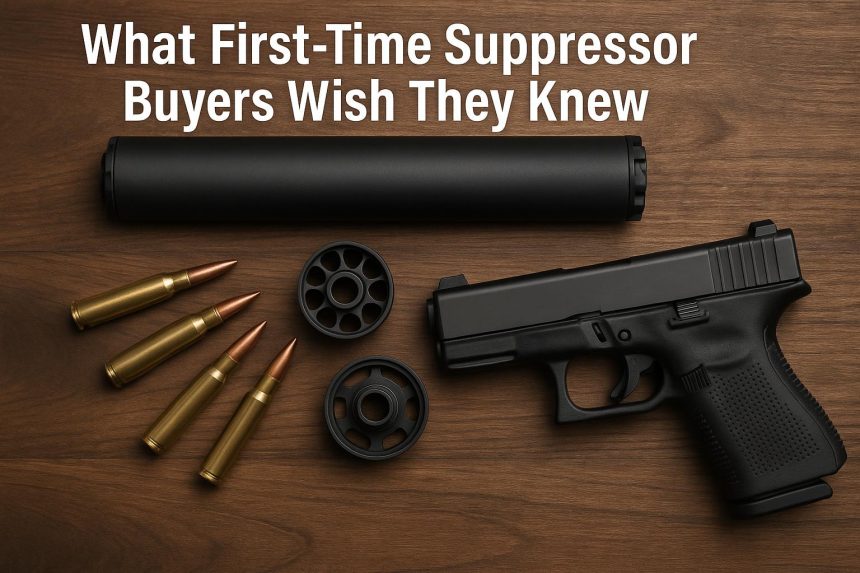
Buying a suppressor can be exciting, especially for first-time firearm owners who want a more comfortable shooting experience. Many people start researching suppressors because they want reduced noise, less felt recoil, or a better experience at the range. While suppressors can provide all of those benefits, many first-time buyers later realize there were a few things they wish they had understood before making their purchase.
The good news is that most of these lessons are simple and easy to learn in advance. From understanding the buying process to learning about maintenance and compatibility, a little preparation can make your first suppressor experience much smoother. This guide covers the most common things new suppressor owners wish they knew before buying.
Suppressors Don’t Make Guns “Silent”
One of the biggest surprises for first-time buyers is the sound level. Movies often make suppressors seem whisper-quiet, but that’s not how they work in real life.
A suppressor reduces the sound and blast created when a firearm is fired. It can make shooting much more comfortable and help reduce the risk of hearing damage, especially outdoors. However, most firearms are still loud enough that hearing protection is recommended in many situations.
Several factors affect sound levels:
- Caliber
- Barrel length
- Ammo type
- Suppressor design
- Whether you use subsonic ammunition
For example, a suppressed .22 LR rifle firing subsonic ammo is often much quieter than a suppressed AR-15 firing standard 5.56 ammunition. Understanding those differences ahead of time helps set realistic expectations.
The Buying Process Takes Time
Another common surprise is how long the buying process can take. Suppressors are regulated items under federal law, so there are additional steps involved compared to buying a standard firearm.
Many new buyers wish they had learned more about paperwork, tax stamps, and processing timelines before purchasing. That’s why educational resources like this guide on how to buy a suppressor online can help your understand the process step by step.
The process usually includes:
- Selecting a suppressor
- Completing federal paperwork
- Submitting fingerprints and photos
- Paying the required tax stamp
- Waiting for approval
For first-time buyers, the waiting period can feel longer than expected. Many experienced suppressor owners recommend using that time to research accessories, ammo, and firearm setups that work well with your suppressor.
One Suppressor May Not Fit Every Firearm
Many first-time buyers assume they can purchase one suppressor and use it on everything they own. While some suppressors are very versatile, compatibility matters more than many people realize.
Things that affect suppressor compatibility include:
- Thread patterns
- Caliber ratings
- Barrel length restrictions
- Mounting systems
For example, a suppressor designed for a .22 LR rifle is not suitable for larger calibers like .308 Winchester or 5.56 NATO. Some suppressors are multi-caliber and can work across several firearms, but you still need to confirm compatibility before use.
This is one reason many experienced shooters eventually own more than one suppressor. Different firearms often perform best with suppressors designed specifically for their caliber or role.
Weight and Length Matter More Than Expected
A suppressor adds both weight and length to the end of your firearm. First-time buyers sometimes focus only on sound reduction and overlook how the suppressor changes handling.
A longer suppressor may reduce sound more effectively, but it can also make a rifle feel front-heavy. On shorter firearms, added length may not be a big issue. On longer rifles, however, the extra size can affect comfort and maneuverability.
This is especially important if you plan to:
- Hunt with your firearm.
- Carry it during training.
- Use it for home defense.
- Shoot for long periods at the range.
Compact suppressors may sacrifice a little sound reduction in exchange for lighter weight and easier handling. For many users, that tradeoff is worth it.
Suppressors Get Very Hot
New suppressor owners are often surprised by how quickly suppressors heat up. After only a few magazines, the suppressor can become extremely hot to the touch.
This creates a few important considerations:
- You should avoid touching the suppressor after shooting.
- You may need gloves or suppressor covers.
- Heat can create mirage effects when using optics.
- Proper cooling time is important before storage.
Heat management becomes especially important during long sessions at the range or rapid-fire shooting. Some shooters buy suppressor covers to reduce heat transfer and protect gear from accidental contact burns.
Maintenance Is Important
Some buyers assume suppressors require little or no maintenance. In reality, maintenance depends heavily on the type of suppressor and the ammunition you use.
Rimfire suppressors, especially those used with .22 LR ammunition, can collect large amounts of carbon and lead buildup. These often need regular cleaning to stay effective.
Centerfire rifle suppressors may require less cleaning but still benefit from routine inspection and care.
A few basic maintenance tips include:
- Follow manufacturer cleaning instructions.
- Avoid excessive moisture buildup.
- Check mounts and threads regularly.
- Store suppressors in a dry location.
- Inspect for carbon buildup over time.
Keeping your suppressor clean helps maintain performance and extend its lifespan.
Mounting Systems Make a Big Difference
One thing many buyers wish they had researched more is mounting systems. The mounting method affects how quickly you can install or remove the suppressor and how securely it stays attached during shooting.
Common mounting options include:
Direct Thread
This simple setup screws directly onto the barrel threads. It’s lightweight and affordable, but it can loosen over time if not checked regularly.
Quick-Detach (QD)
Quick-detach systems allow faster installation and removal. Many shooters prefer QD setups for rifles they use often at the range or during training.
Piston Systems
Handgun suppressors often use piston systems to help pistols cycle properly during firing.
Choosing the right setup depends on your firearm, shooting style, and budget.
Ammo Choice Changes Performance
A suppressor’s performance depends heavily on ammunition selection. Many first-time buyers don’t realize how much ammo affects sound, recoil, and shooting comfort.
Subsonic Ammo
Subsonic ammunition travels below the speed of sound, reducing the loud “crack” produced by supersonic rounds. This often creates the quietest shooting experience.
Supersonic Ammo
Supersonic rounds are still reduced by the suppressor, but the bullet itself creates a sonic crack that cannot be eliminated.
For many shooters, experimenting with different ammo types is part of the fun of owning a suppressor.
Accessories Become More Important
After buying a suppressor, many shooters realize they also need additional gear to improve their setup. Helpful suppressor accessories can make shooting more comfortable, safer, and easier to maintain.
Popular accessories include:
- Thread protectors
- Suppressor covers
- Mount adapters
- Alignment rods
- Cleaning supplies
- Extra muzzle devices
These items may seem minor at first, but they can make a noticeable difference in long-term use and convenience.
Suppressors Change How Firearms Feel
Using a suppressor changes more than just sound. Many shooters notice:
- Reduced recoil
- Less muzzle flash
- Different balance and weight
- Changes in firearm cycling
- Different point-of-impact shifts
For example, adding a suppressor to an AR-15 may increase back pressure, causing more gas blowback near the shooter’s face. Some users eventually add adjustable gas blocks or charging handles designed to reduce gas exposure.
It often takes a little range time to fully understand how your firearm behaves with a suppressor attached.
You’ll Probably Shoot More Often
One unexpected lesson many suppressor owners share is that shooting becomes more enjoyable. Reduced noise and softer recoil can make range sessions feel less tiring.
This can be especially helpful for:
- New shooters
- Younger shooters
- Training sessions
- Extended range days
Many people find that suppressors improve communication at the range because conversations become easier between shots.
Budget Beyond the Suppressor Itself
First-time buyers sometimes focus only on the suppressor price and forget about related costs. In addition to the suppressor itself, expenses may include:
- Tax stamp fees
- Mounting hardware
- Additional muzzle devices
- Subsonic ammunition
- Cleaning supplies
- Optics adjustments or upgrades
Planning for these extra costs in advance can help avoid surprises later.
Final Thoughts
Buying your first suppressor can be a rewarding experience, but preparation matters. Many first-time owners wish they had spent more time learning about compatibility, maintenance, mounting systems, and realistic sound expectations before purchasing.
The good news is that none of these lessons are difficult to understand once you know what to look for. By carefully researching your options, choosing the right setup for your needs, and adopting proper maintenance habits, you can avoid many common beginner mistakes.
Suppressors can improve comfort, reduce recoil, and make range sessions more enjoyable. Whether you’re using a handgun, AR-15 rifle, or hunting setup, taking the time to understand how suppressors work will help you get more value from your purchase and enjoy a smoother experience from day one.

Lynn Martelli is an editor at Readability. She received her MFA in Creative Writing from Antioch University and has worked as an editor for over 10 years. Lynn has edited a wide variety of books, including fiction, non-fiction, memoirs, and more. In her free time, Lynn enjoys reading, writing, and spending time with her family and friends.