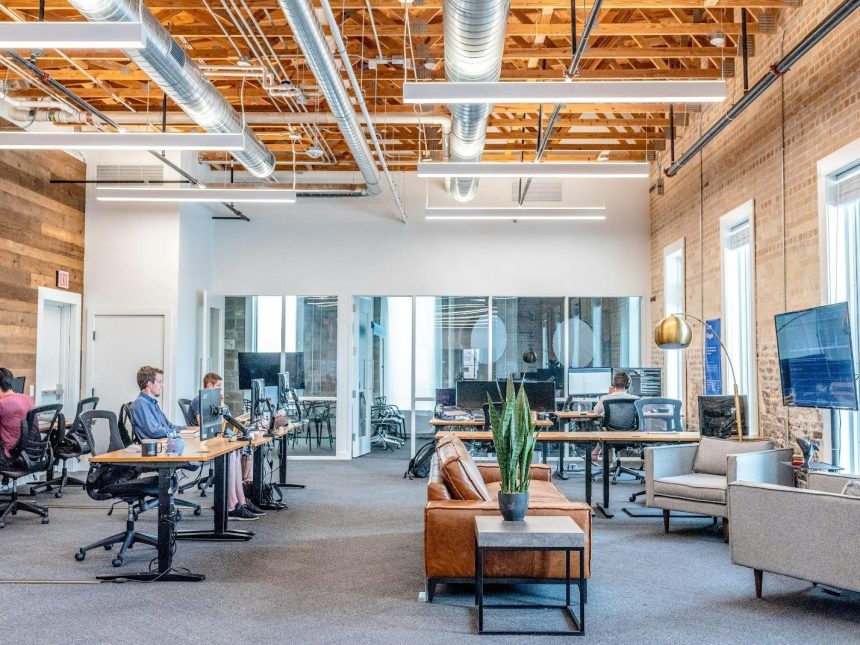
A well-maintained office sets the tone for how a business operates and how it is perceived. Maintenance tasks that every business should prioritize include HVAC servicing, floor care, electrical inspections, plumbing checks, and exterior upkeep. Each one plays a direct role in safety, efficiency, and overall workplace morale.
Tampa Bay businesses face added pressure due to heat, humidity, and seasonal storms that can strain building systems and interiors. Climate conditions in the region make preventive maintenance a practical necessity rather than a reactive choice. Strong maintenance habits reduce costly interruptions and create a workspace that feels reliable and professional.
HVAC System Care and Air Quality Control
HVAC systems operate daily, often without much attention until a problem arises. Routine inspections keep heating and cooling equipment running efficiently and help prevent sudden breakdowns during peak seasons. Filter replacements should follow a consistent schedule to maintain airflow and reduce dust buildup.
Humidity control deserves close attention, especially in warm and damp climates. Excess moisture can lead to mold growth, unpleasant odors, and long-term structural damage. Regular duct cleaning further improves air circulation and reduces allergens inside the workspace.
Carpet and Floor Maintenance Standards
Flooring experiences constant wear in any office environment. High foot traffic brings in dirt, moisture, and debris that settle deep into carpets and along hard surfaces. A structured cleaning plan based on daily activity levels helps preserve appearance and durability. Entry mats near doors reduce the amount of grime tracked inside and protect interior flooring.
Routine vacuuming removes surface particles, yet deeper cleaning is necessary to address embedded dirt and allergens. Scheduled professional services extend the lifespan of carpets and maintain a polished look. Clean flooring contributes to a healthier environment and leaves a positive impression on visitors. If you’re looking for a company that offers carpet cleaning in Tampa Bay, choose one with certified technicians and modern equipment. They should also have a proven track record of removing deep stains, allergens, and odors while extending the life of your carpets.
Electrical System Inspections and Safety Checks
Electrical systems power nearly every operation inside a modern office. Computers, lighting, security systems, and communication tools all depend on stable wiring and functional outlets. Regular inspections reduce the risk of overloads, short circuits, and potential fire hazards.
Outlets and power strips should be checked for visible damage or overheating. Panels must remain accessible and clearly labeled. Surge protectors and backup power systems deserve periodic testing to confirm reliability during unexpected outages. Qualified professionals can assess wiring conditions and confirm compliance with safety standards. Early detection of loose connections or aging components prevents costly downtime.
Plumbing and Water System Oversight
Plumbing problems often begin quietly. A small leak under a sink or behind a wall can go unnoticed until visible damage appears. Routine inspections in restrooms and breakrooms help catch issues early and reduce repair expenses.
Water heaters require regular servicing to maintain efficiency and a consistent temperature. Fixtures such as faucets and toilets should be checked for steady water pressure and proper function. Minor drips may seem insignificant, yet they waste water and increase utility costs over time. Professional plumbers can evaluate pipes, seals, and drainage systems to ensure long-term reliability.
Roof and Exterior Building Maintenance
Exterior components serve as the first line of defense against weather exposure. Roofing materials should be examined for cracks, loose shingles, or signs of pooling water. Early attention prevents moisture from seeping into ceilings and insulation.
Gutters and downspouts must remain clear to support proper drainage. Blockages lead to water buildup that can damage foundations and walls. Exterior sealants around windows and doors also need periodic inspection to maintain structural integrity. Consistent exterior maintenance protects the building envelope and extends the lifespan of critical components.
Workplace Cleanliness and Sanitation Protocols
Cleanliness shapes how employees feel the moment they walk into the office. Dusty desks, cluttered breakrooms, and poorly maintained restrooms distract from productivity and lower morale. Structured sanitation protocols create order and support a healthier environment.
Daily disinfecting of high-touch surfaces such as door handles, light switches, shared keyboards, and conference tables reduces the spread of germs. Restrooms and kitchen areas require close monitoring to maintain hygiene standards. Trash removal should follow a predictable schedule to prevent odors and overflow. Professional cleaning services can handle deep sanitation tasks that go beyond routine upkeep.
Fire Safety Equipment and Emergency Preparedness
Safety planning should never feel optional. Fire protection systems and emergency equipment must remain functional at all times. Regular inspections confirm that smoke detectors, fire alarms, and sprinkler systems operate correctly.
Fire extinguishers require routine checks to verify proper pressure levels and accessible placement. Emergency exit routes must stay clear of storage items and be clearly marked for visibility. Lighting along evacuation paths should remain operational to guide occupants during power failures. Employee training plays a key role in preparedness. Periodic drills build familiarity with procedures and reduce confusion during real emergencies.
Office Equipment and Furniture Upkeep
Office furniture and equipment support daily productivity. Desks, chairs, and storage units should be inspected regularly for stability and wear. Loose bolts or damaged components create safety risks and discomfort.
Ergonomic seating deserves attention because it affects posture and long-term employee health. Adjustable chairs and properly aligned desks reduce strain during extended work hours. Prompt replacement of worn furniture prevents injuries and maintains a professional appearance. Shared equipment such as printers, copiers, and conference room technology also requires maintenance. Scheduled servicing keeps devices functioning efficiently and avoids workflow interruptions.
Office maintenance covers far more than occasional repairs. HVAC servicing, floor care, electrical inspections, plumbing oversight, exterior protection, sanitation practices, fire safety checks, and equipment upkeep each serve a specific purpose. Consistent attention to these areas strengthens workplace safety, supports employee well-being, and preserves valuable assets.
Preventive planning reduces the likelihood of costly emergencies and unplanned downtime. A structured maintenance strategy builds confidence among staff and clients alike. Businesses that stay proactive maintain a professional environment that supports steady growth and long-term success.

Lynn Martelli is an editor at Readability. She received her MFA in Creative Writing from Antioch University and has worked as an editor for over 10 years. Lynn has edited a wide variety of books, including fiction, non-fiction, memoirs, and more. In her free time, Lynn enjoys reading, writing, and spending time with her family and friends.