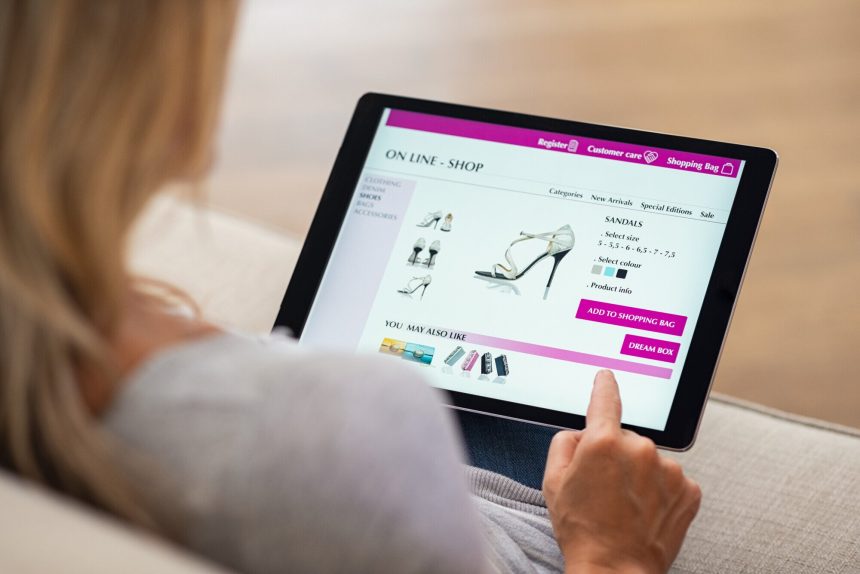
What makes shoppers stay on an online store instead of leaving quickly? A clear and friendly design can make every visit easier and more enjoyable.
Simple menus help shoppers find products without confusion or wasted time. Readable pages also make important details easier to understand before buying. A smooth shopping process can reduce frustration and lower cart abandonment rates. Better usability can also build trust and encourage customers to return.
This guide explains how thoughtful design can improve e-commerce success and customer satisfaction. Keep on reading!
Clear Navigation
Customers can use navigation to find their way around an online store, just like a map. Individuals are more likely to quickly and easily locate what they require if it is made simple. Visitors can easily find their way around pages when menus and links are organized and labeled correctly.
Customers may get angry at layouts or categories that are hard to find, so they leave without buying anything. There should be just the right number of options on the menus of the best e-commerce sites so users can easily browse.
A well-visible search bar, breadcrumbs, and homepage links make it easy for customers to find the products they want. Don’t make dropdown lists too long or hard to use, and always show important categories like “Shop” and “Cart.” Visitors stay longer, find new things, and buy more when it’s easy to get around.
Readable Fonts
Choosing the right fonts may not seem important, but it has a big impact on how comfortable your site’s visitors feel when they’re shopping. People may find it hard to read product information or basic instructions if the text is too small, used for decoration, or blends into the background. This could lead to frustration or misunderstandings.
To keep things clear, the best e-commerce sites use clean, simple fonts that are big enough to read and have a clear contrast between the text and the background. The site looks neat when it uses only one or two font styles throughout, and big or bold headings draw attention to important parts. It can be hard to read if you use too many colors or fonts on a page.
Make sure the text stands out no matter what color you pick. It’s easy to read black text on a white background. People are more likely to buy and less likely to give up in frustration if they can quickly read product descriptions, prices, and buttons.
Intuitive Layouts
Where information is placed on a page can affect how confident and at ease a customer feels while shopping. Layouts that are easy to understand make it easy for shoppers to find featured items, sale items, and the “Add to Cart” button.
Putting product photos next to descriptions, grouping similar items, and leaving enough space all help make things clear and calm. Customers may get confused and not know where to look next if there is too much visual clutter.
Shoppers can find their way to new sections of the site without having to relearn how it works if all the pages look the same. Grid or column layouts and a clear top-to-bottom flow make it easier for people to look around and buy. Making sure the most important details are easy to find helps customers decide quickly and with confidence.
Fast Loading Times
When people are ready to buy something or want to browse their options quickly, nothing is more frustrating than waiting for a website to load. Studies show that pages that take a long time to load are a big reason why people abandon their shopping carts. Every year, this costs businesses a huge number of sales.
To keep people interested, you should remove as many things as possible that could slow down your site, like large images, unnecessary animations, and poorly optimized code. To make sure your site loads as quickly as possible, choose a hosting service you can trust, test page speeds regularly, and use tools to reduce image sizes.
It only takes a second to make a customer happy, but even small delays can add up. A fast website not only improves the overall experience but also makes people more likely to browse more products, browse more categories, and buy right away.
Mobile-Friendly Design
Having a mobile-friendly website is no longer a nice-to-have for any e-commerce business that wants to reach a wide audience. This is because so many people shop online on their phones and tablets. When a customer uses a different device, the responsive design ensures that buttons, links, and text remain easy to read and use across all devices, and this means customers don’t have to pinch and zoom or tap tiny links, which can be very annoying.
It’s important that images and menus scale smoothly, and that it’s always easy to access the shopping cart or search bar. By testing your site on a variety of devices, you can catch problems before your customers do. This makes sure that everyone has a smooth experience.
People who use mobile devices expect the same speed, clarity, and ease of use as people who use desktop computers. If your site doesn’t meet those expectations, they’ll quickly switch to a competitor. Putting effort into making your site mobile-friendly can help you make more sales and keep customers happy and loyal.
Easy Checkout
A lot of online stores have trouble making checkout easy, which is necessary to get people who are just looking around to buy something. A customer is more likely to abandon their cart if there are too many steps, forms that are hard to understand, or missing pieces of information.
To reduce risk, make sure your checkout forms are short and ask only for the information you need. Also, don’t require customers to sign up for an account before they can check out; let them check out as a guest. There should be clear “Continue” or “Place Order” buttons, progress bars showing how many steps are left, and opportunities to review the order before you pay.
From the start, it should be clear what shipping options are available, how much they cost, and when they will arrive. Don’t ask customers for the same information repeatedly, and let them update it if they need to. People are more likely to buy something and come back if they can check out quickly and easily.
Simple Product Pages
Customers make the final choice on product pages, so they need to be simple, clear, and full of useful information. High-quality pictures taken from different angles help customers picture what they’re buying, and short, clear descriptions draw attention to the most important features without being too much.
Bullet points highlight the most important benefits, and information on price, availability, and shipping helps customers prepare. You don’t have to worry about fit or function when you use size guides or comparison charts, and customer reviews and ratings build trust.
Make the “Add to Cart” or “Buy Now” button stand out to get people to buy right away. Putting all the information in a neat order will boost confidence and keep people from leaving their carts. Having simple product pages makes people more likely to buy.
Effective Search
A good search function lets shoppers in a hurry find what they need without sifting through many categories. The search bar should be easy to see on every page, so people never have to look for it. Filters let users narrow down results by category, brand, price, or other factors.
Autocomplete suggestions save time and reduce typing errors. Customers have more control over how they see items when they can sort them by “newest,” “best-selling,” and “lowest price.” People who do searches should be able to see real products with clear pictures and prices, even if they make small spelling mistakes.
The search page’s category and price filters make it easy for people to find what they need. There’s nothing better than shopping when search works.
Helpful Customer Support Options
It’s important to have clear and helpful customer service because even the best-designed website can’t stop all questions and problems. Live chat features let customers get quick answers while they’re shopping, boosting their confidence and reducing cart abandonment.
Customers can easily get in touch with you if you put phone numbers and email addresses on every page and collect them in a “Contact Us” section. If you have a well-organized FAQ page, you can find answers to common questions before they become problems. Also, having clear instructions for returns, exchanges, and tracking orders makes customers feel supported after they buy.
When you respond quickly and kindly, you build loyalty and turn bad experiences into good ones. Customers will know when to expect help if you list your support hours and offer multiple ways to contact you to accommodate everyone’s preferences. A lot of help makes people want to come back, even when things go wrong.
Accessible Design
Make sure that people of all abilities can easily use your website. This is the right thing to do and will also help your business. Screen readers can describe images for people who can’t see them when they have alt text, and clearly labeled buttons and links help everyone know where to click.
Text is easier to read when there is enough color contrast, and sensitive users may not have any problems if images don’t flash. People who can’t use a mouse can still use your site if you let them navigate with just a keyboard. Adding captions to videos also helps shoppers who have trouble hearing.
You can reach even more people by using accessibility tools on your site and considering which colors people with colorblindness might find easier to see. A website that is easy for everyone to use will attract more customers and help your business earn more money.
Streamlined Shopping Experience
From the moment people land on your homepage to the last click that completes their order, the whole shopping process should feel smooth and quick. Eliminating extra steps or distractions helps shoppers move from browsing to buying more quickly. Features like “Add to Cart” buttons that only need one click and mini-carts that show items at a glance make shopping even easier.
Users can look at more options without leaving the main page if you offer quick product previews. Saving favorites for later makes it even easier for them to come back. Keeping track of stock levels helps customers avoid being let down at the register, and limiting pop-ups keeps users from being interrupted.
In the middle of all this, Shopify Fulfillment can help stores ship items faster and process returns more easily, making customers happier and more loyal. A streamlined experience makes customers happy and makes them want to come back.
Personalization Enhances the Journey
Customers will feel like your store cares about their wants and needs when you personalize it. This will turn a simple shopping trip into an unforgettable one. Seeing products based on what a customer has viewed or purchased before can help them discover new things they love.
Deals for holidays or birthdays are also nice. Users can check out quickly if you let them save their addresses and payment information. Also, being able to see their most recent searches or products viewed makes it easy for them to pick up where they left off.
Using customers’ names in emails and messages makes the connection feel more personal, and giving shipping estimates based on where the customer lives is very helpful at the right time. Making customers feel important makes them more likely to buy again and again, which keeps them happy and loyal over time.
Building Better E-commerce Experiences
A user-friendly design makes online shopping easier, faster, and more comfortable. Customers can better understand products and make decisions when the content is easy to read.
Shopping cart abandonment and frustration can be reduced by making navigation and checkout easy. Customers will be happier if the pages load quickly, the search works well, and the help is easy to understand.
A carefully thought-out design also builds trust and gets people to come back. E-commerce stores can create better experiences and get better results by following these rules.
Did you like this guide? Great! Please browse our website for more!

Lynn Martelli is an editor at Readability. She received her MFA in Creative Writing from Antioch University and has worked as an editor for over 10 years. Lynn has edited a wide variety of books, including fiction, non-fiction, memoirs, and more. In her free time, Lynn enjoys reading, writing, and spending time with her family and friends.