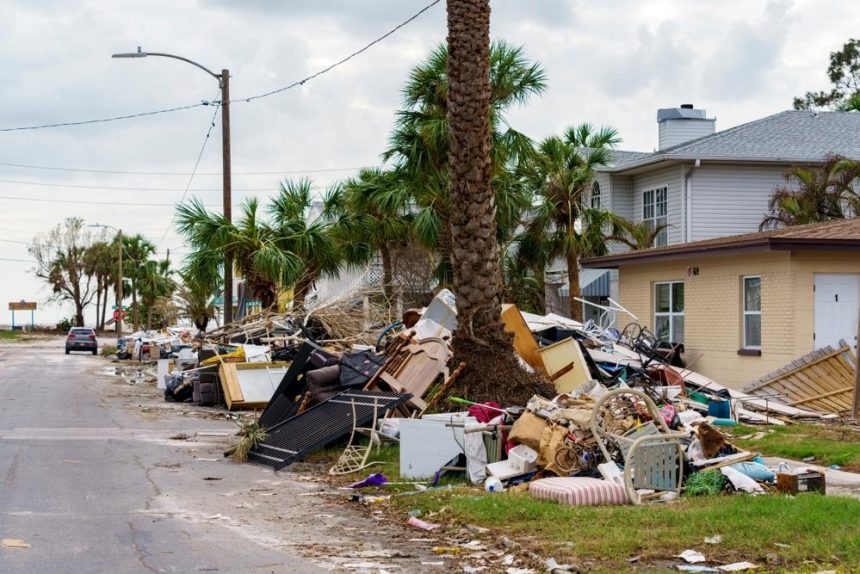
A claim starts moving, and for a moment, things feel steady. You speak to an adjuster, explain the damage, share photos, and answer questions. There is a sense that progress is finally happening.
Then things change.
A new adjuster steps in. The same details need to be explained again. The same damage is looked at again. But the response feels different this time. Small shifts begin to appear, and the direction of the claim no longer feels as clear as before. This is often the stage where homeowners begin exploring legal support for hurricane damage claims to better understand why the process is changing and what it means for their outcome.
What Is the Multiple Adjuster Problem
One claim, many hands
After a major storm, claims come in large numbers. Insurance companies assign adjusters to handle them, but one adjuster may not stay with a claim from start to finish.
A second or even third adjuster may take over at different stages. Each one reviews the file, looks at the damage, and forms their own understanding.
Why this happens
There are practical reasons behind this. Workloads increase after hurricanes. Teams get reassigned. Some claims are passed along for further review.
From the outside, it looks like one continuous process. On the inside, it is often handled by different people at different times.
How the Process Starts to Shift
The first adjuster usually sets the tone. They review the initial damage, discuss the situation, and may outline what to expect next.
But a new adjuster may see things differently.
The same photos can lead to a different interpretation. The same description of damage can raise new questions. This does not always mean something is wrong. It simply means that each person brings their own perspective.
The Repetition Loop
Telling the same story again
With each new adjuster, homeowners often find themselves repeating the same details. What happened during the storm? What damage was noticed first? What steps were taken after?
Over time, this repetition can lead to small differences in how the story is told or understood.
Documents under review again
Photos, inspection notes, and estimates may be reviewed more than once. Each review can focus on different aspects. What was clear before may now be questioned or re-examined.
Where Outcomes Begin to Change
As adjusters change, outcomes can shift as well.
The scope of damage may be adjusted. Repair estimates may be revised. Timelines may stretch longer than expected.
This is not always about approval or denial. Often, it is about how the damage is being interpreted at each stage.
The “Reset Effect” in Claims
Each new adjuster may approach the claim as if they are seeing it for the first time.
Earlier discussions may not carry the same weight. Previous conclusions may be reconsidered. This creates what many homeowners experience as a reset.
Progress feels like it moves forward, then pauses, then starts again.
Why This Feels Frustrating
Consistency matters in any process. When different people handle the same claim, consistency can become difficult to maintain.
Expectations may change. Communication may feel unclear. It becomes harder to know what the final outcome will look like. This does not mean the process is failing. It means the process is more layered than it first appeared.
Real Situations Where This Happens
It is common to see situations where an initial assessment changes after reassignment.
An early estimate may include certain repairs, but a later review may adjust that scope. A follow-up inspection may lead to new questions about the cause or extent of damage.
Each step makes sense on its own, but together, they can feel disconnected.
When the Claim Becomes More Complex
As more adjusters become involved, the claim often becomes more detailed.
There are more reviews, more questions, and more points of interpretation. This can make the process feel slower and less predictable.
At this stage, many homeowners begin to look for legal support for hurricane damage claims to better understand how these changes are affecting their case and how to move forward with clarity.
A Smarter Way to Handle This Situation
There are simple ways to stay organized through these changes.
Keeping a record of communication can help track what has been discussed. Saving reports and estimates can provide a clear reference point. Noting any changes in decisions can help identify patterns.
These steps do not change the process itself, but they make it easier to follow.
Why Awareness Makes a Difference
Knowing that multiple adjusters may be involved helps set expectations early.
Instead of feeling caught off guard, homeowners can approach the process with more awareness. They can prepare for repeated questions and changing viewpoints. This awareness brings a sense of control, even when the process feels uncertain.
A Clearer Way Forward
A hurricane claim is not always a straight line. It can move through different hands, different perspectives, and different stages.
Understanding the role of multiple adjusters helps make sense of these shifts. It turns a confusing experience into one that can be followed more clearly. In the end, it is not just about the damage. It is about how that damage is seen, reviewed, and understood over time. And with the right awareness, even a changing process can still lead to a steady path forward.

Lynn Martelli is an editor at Readability. She received her MFA in Creative Writing from Antioch University and has worked as an editor for over 10 years. Lynn has edited a wide variety of books, including fiction, non-fiction, memoirs, and more. In her free time, Lynn enjoys reading, writing, and spending time with her family and friends.