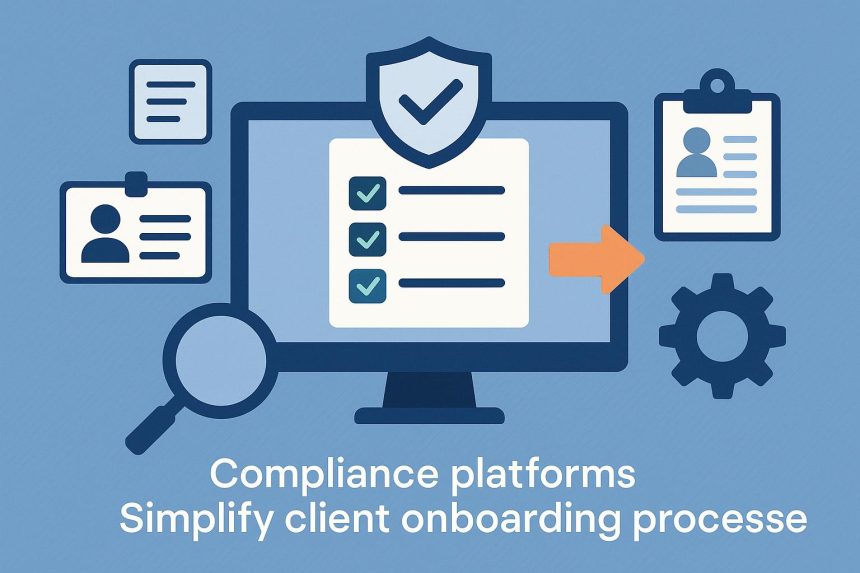
Client onboarding stalls when records arrive in fragments, reviewers work from separate tools, and teams chase the same facts twice. Delays often begin with small gaps: a missing document, an unchecked ownership detail, or an unclear approval path. Compliance platforms bring those moving parts into one controlled process. That structure helps staff assess risk, track responsibility, and keep communication steady, while clients face fewer repeat requests and less waiting before an account can move ahead.
One Intake Flow
Early intake often falters when sales, operations, and risk teams collect overlapping information through email, forms, and phone calls. Platforms such as Fenergo bring document requests, identity checks, screening steps, and case reviews into one guided sequence. Each stage shows what is complete, what is missing, and who owns the next action. Clients receive clearer requests, while staff avoid duplicate outreach that slows progress and weakens record quality.
Fewer Manual Handovers
Handovers create drag because responsibility shifts several times before approval. One team gathers forms, another checks ownership, and then legal reviews supporting evidence. A compliance platform routes work by rule, assigns tasks automatically, and records each step in sequence. Staff can see pending items without scanning inboxes or asking for updates. That order shortens idle time and lowers the chance that a file sits untouched.
Better Data Quality
Poor data quality leads to rejected files, repeated outreach, and preventable rework. Structured intake fields improve accuracy by requiring complete entries before submission. Validation rules catch incorrect dates, missing addresses, or invalid registration numbers at the start. Some systems reuse approved client information where policy permits. Analysts then spend less time fixing basic errors. Cleaner records support faster decisions because reviewers can focus on substance.
Clearer Risk Reviews
Risk assessment weakens when evidence sits across spreadsheets, email threads, and disconnected databases. Compliance platforms gather client responses, screening results, ownership records, and supporting documents in one case file. Reviewers can compare facts against policy rules without assembling fragments by hand. That visibility supports fairer decisions across similar applicants. It also helps managers explain why a file was approved, escalated, or declined.
Faster Document Handling
Document collection consumes hours when staff rename files, confirm versions, and chase unsigned forms. Platforms reduce that burden through upload rules, status markers, and timed reminders. Some tools extract key fields from submitted paperwork and place them into the case record automatically. Teams then review exceptions instead of typing every detail. That shift saves time and reduces transcription mistakes during the earliest onboarding stages.
Stronger Policy Control
Policy changes can expose gaps when teams apply different standards across regions or products. A compliance platform gives firms one place to manage approval paths, document requirements, and jurisdiction checks. When internal rules change, workflows can be updated without rebuilding the whole process. Consistent logic limits individual interpretation during reviews. Clients receive more predictable treatment, while leaders gain stronger oversight of daily onboarding practice.
Better Client Communication
Clients lose confidence when progress is unclear or when requests arrive without context. Compliance platforms improve communication through targeted prompts, visible status updates, and specific next steps. Instead of sending broad follow-up messages, teams can ask for one item and explain why it matters. That precision reduces confusion and encourages quicker responses. A more orderly exchange also supports trust during a high-scrutiny process.
Easier Audit Preparation
Audit preparation becomes lighter when actions are recorded as work happens. Platforms keep timestamps, reviewer notes, decision history, and document versions inside the case record. Teams can show who approved each step and which evidence supported that outcome. This record matters during internal monitoring and external examinations. A complete trail reduces scramble time and helps leaders answer questions with confidence, accuracy, and proper context.
Useful Performance Insight
Operations leaders need more than speed. They need measurable evidence showing where delays start and how often files return for correction. Compliance platforms provide reporting on cycle time, outreach volume, exception frequency, and pending reviews. Those measures help firms identify weak points and adjust process design. Improvement becomes practical because managers can act on visible patterns, rather than depend on scattered anecdotes from different teams.
Conclusion
Compliance platforms simplify client onboarding by reducing manual effort, improving data quality, and making each review step easier to follow. They help firms organize intake, assess risk, and communicate clearly from the first request onward. Stronger records also support oversight, audit readiness, and future policy changes. For organizations expected to move quickly without lowering standards, that mix of speed, control, and traceable decision-making offers lasting operational value.

Lynn Martelli is an editor at Readability. She received her MFA in Creative Writing from Antioch University and has worked as an editor for over 10 years. Lynn has edited a wide variety of books, including fiction, non-fiction, memoirs, and more. In her free time, Lynn enjoys reading, writing, and spending time with her family and friends.