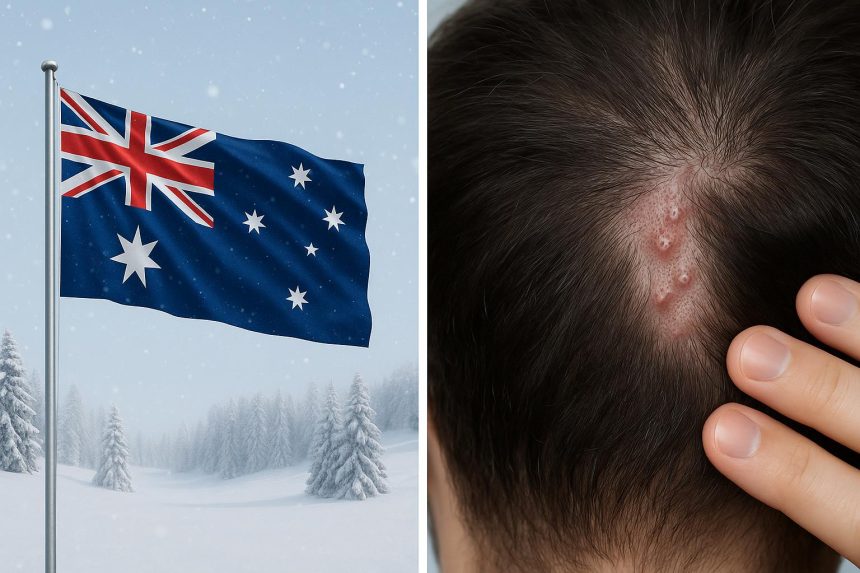
During the colder months in Australia, many people notice their scalp becoming itchier, oilier, more irritated, or covered in small painful bumps around the hair follicles. While dandruff often gets blamed first, scalp folliculitis can also become significantly more noticeable during winter.
Changes in humidity, heavier hair products, increased hat use, sweating under layers, and less airflow around the scalp can all contribute to an environment where irritation and follicle congestion become more common.
For people already dealing with sensitive skin, psoriasis-prone scalps, or eczema-related irritation, winter can sometimes amplify multiple scalp issues at once.
What Is Scalp Folliculitis?
Scalp folliculitis refers to inflammation around the hair follicles on the scalp. It may appear as:
- Small red bumps
- Pimple-like spots
- Tender or itchy areas
- Crusting around follicles
- Flare-ups after sweating
- Irritation around the hairline or crown
Some people experience occasional mild irritation, while others deal with recurring flare-ups that worsen during seasonal changes.
In Australia, winter conditions can create the perfect environment for scalp discomfort:
- Dry air from heaters
- Reduced natural sun exposure
- Sweat trapped under beanies or caps
- Heavier styling products
- Less frequent hair washing during colder weather
All of these can contribute to increased scalp congestion and irritation.
Why Winter Often Triggers Flare-Ups
One of the biggest issues during winter is the combination of dryness and oil imbalance.
When the scalp becomes dry, the skin barrier may become disrupted. In response, the scalp can sometimes produce more oil, creating buildup around follicles. Add sweat, dead skin cells, and styling products into the mix, and the follicles may become increasingly irritated.
For people with inflammatory scalp conditions, this can create overlapping symptoms that become difficult to separate:
- Flaking
- Itching
- Tenderness
- Redness
- Follicle irritation
- Scalp sensitivity
This is why many Australians begin searching for a suitable folliculitis shampoo Australia option once colder weather arrives.
The Importance of Gentle Scalp Cleansing
One mistake many people make is using overly aggressive shampoos in an attempt to “strip” the scalp clean.
Harsh cleansing can sometimes worsen irritation by:
- Over-drying the scalp
- Damaging the skin barrier
- Increasing redness
- Triggering more oil production
Instead, many people find that consistency matters more than intensity.
A balanced scalp routine may involve:
- Regular but gentle cleansing
- Avoiding overly heavy hair products
- Reducing product buildup
- Keeping the scalp cool and breathable
- Using scalp-supportive ingredients
For some Australians, medicated shampoos or tar-based formulations may also become part of their broader scalp care routine depending on their individual skin needs.
How Folliculitis and Psoriasis Can Sometimes Overlap
Scalp conditions are not always isolated.
Many people searching for folliculitis support also experience:
- Dry plaques
- Heavy flaking
- Persistent itching
- Sensitive scalp patches
- Scalp psoriasis symptoms
This overlap is one reason educational scalp content continues growing rapidly in search demand across Australia.
People increasingly want to understand:
- why their scalp symptoms change seasonally
- how to reduce buildup safely
- which products may support scalp comfort
- how light therapy and scalp routines fit together
Some people exploring scalp support routines also research UVB light therapy for psoriasis and other home-based approaches designed to support difficult scalp areas.
Can Light Therapy Help the Scalp?
Light therapy has become increasingly discussed within scalp care conversations, particularly for people managing chronic inflammatory scalp conditions.
Because hair can make topical application difficult, some individuals explore scalp-focused light devices designed to help deliver targeted light exposure directly to affected areas.
This is especially relevant for:
- Thick hair coverage
- Persistent scalp patches
- Hard-to-reach areas
- Recurring scalp irritation
Different forms of light therapy are commonly discussed online, including:
- Red light therapy
- UVB light therapy
- LED scalp devices
Many people researching scalp support routines compare different approaches before deciding what best fits their needs and comfort level.
Daily Habits That May Help Reduce Winter Scalp Irritation
While every scalp is different, many Australians find that small routine changes can make a noticeable difference during winter.
1. Avoid overheating the scalp
Excess heat and sweat trapped under hats or helmets may worsen irritation for some people.
2. Wash after sweating
Sweat buildup around follicles may contribute to discomfort if left sitting on the scalp.
3. Avoid overly heavy oils
Thick oils and dense styling products may increase follicle congestion for some individuals.
4. Be careful with scratching
Repeated scratching can further irritate already sensitive follicles.
5. Focus on consistency
Gentle, sustainable scalp routines often outperform aggressive short-term fixes.
The Growing Demand for Scalp-Focused Support in Australia
Search trends show increasing Australian interest in:
- scalp folliculitis shampoo
- coal tar shampoos
- scalp psoriasis support
- UVB scalp therapy
- sensitive scalp routines
This growth reflects something important:
people are looking for practical, manageable long-term scalp support rather than miracle cures.
That shift toward education-based scalp care is likely one reason scalp-focused blogs and topical authority pages are now performing strongly in search results.
Final Thoughts
Winter scalp flare-ups can be frustrating, especially when symptoms overlap between dryness, irritation, flaking, and follicle inflammation.
For many Australians, the goal is not finding a perfect overnight fix, but building a scalp routine that supports comfort, consistency, and reduced irritation over time.
Whether that involves adjusting shampoo routines, reducing buildup, improving scalp hygiene, or exploring supportive options like light therapy, the key is usually gentle long-term management rather than aggressive treatment cycles.
As awareness around scalp health continues growing in Australia, more people are beginning to understand how seasonal changes, skin barrier health, and follicle irritation can all work together — especially during winter.

Lynn Martelli is an editor at Readability. She received her MFA in Creative Writing from Antioch University and has worked as an editor for over 10 years. Lynn has edited a wide variety of books, including fiction, non-fiction, memoirs, and more. In her free time, Lynn enjoys reading, writing, and spending time with her family and friends.