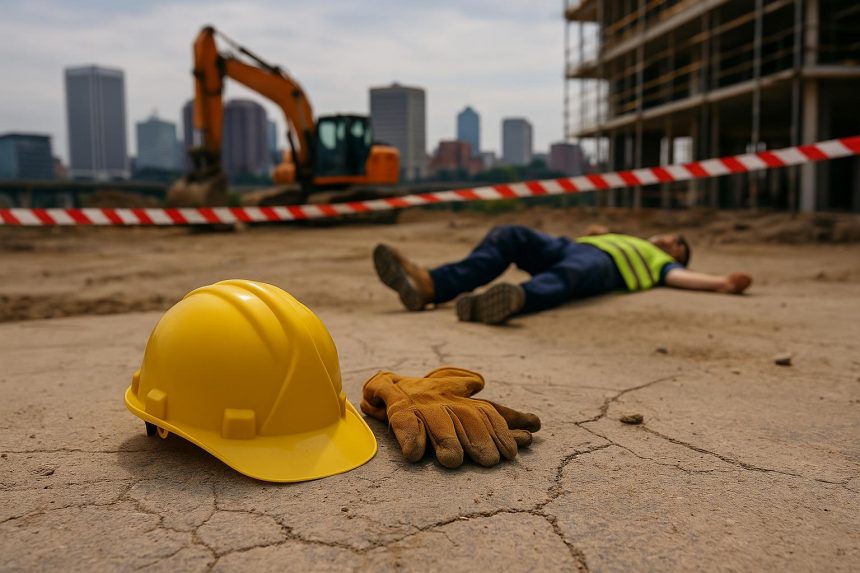
Construction sites help shape the future of a city, but they also remain some of the most dangerous workplaces in America. Workers face risks from heavy machinery, elevated work areas, electrical systems, and moving vehicles every day. When safety procedures fail, the results can be life-changing.
Richmond, VA continues to see growth through commercial development, road projects, residential construction, and infrastructure improvements. From downtown redevelopment projects to expanding residential communities throughout the region, construction workers play a key role in supporting the area’s growth. Construction activity supports the local economy, but it also increases the number of workers exposed to serious job site hazards. For injured workers and their families, understanding what happens after a construction accident is just as important as preventing one in the first place.
Construction Work Remains One of the Most Dangerous Jobs in America
Construction workers face serious risks because many tasks involve heights, heavy equipment, and constantly changing work environments.
According to OSHA, falls remain the leading cause of death in the construction industry. In 2024, falls accounted for 389 of the 1,034 construction fatalities reported nationwide. These incidents often involve roofs, ladders, scaffolding, and elevated work platforms.
A single mistake can result in broken bones, spinal cord injuries, traumatic brain injuries, or even fatalities. Unlike office environments, construction sites present hazards that can change from hour to hour. OSHA also identifies falls, struck-by incidents, caught-in or caught-between accidents, and electrocutions as the “Fatal Four” hazards responsible for most construction worker deaths.
Construction sites often involve multiple companies, subcontractors, and crews working simultaneously. As a result, maintaining consistent safety standards across a project can become challenging when responsibilities overlap.
Falls Continue to Cause Many Serious Construction Injuries
Falls are responsible for a large share of severe construction accidents because workers frequently perform tasks above ground level.
A worker installing roofing materials may lose footing on a steep surface. An employee on a scaffold could be injured if safety equipment fails. Even a short fall from a ladder can lead to months of recovery and lost income.
Consider a worker repairing the exterior of a multi-story building. If guardrails are missing or safety harnesses are not properly secured, a fall can happen in seconds. The resulting injuries may require surgery, physical therapy, and long-term medical care.
Many fall accidents are preventable when employers follow proper safety protocols and provide the necessary protective equipment.
Construction Accidents Often Involve More Than One Responsible Party
Construction injury cases are often more complicated than traditional workplace injury claims.
On a typical construction site, several businesses may be involved in the same project. General contractors, subcontractors, equipment suppliers, property owners, and manufacturers may all play a role in maintaining safety.
For example, imagine a worker is injured when a crane malfunctions. The equipment operator may not be responsible if the failure resulted from a defective part. In that situation, the manufacturer or maintenance provider could share responsibility.
This is one reason construction accident cases require thorough investigations. Identifying every party involved can make a significant difference in the compensation available to an injured worker.
Workers’ Compensation Does Not Always Cover Every Loss
Workers’ compensation benefits can help injured employees, but they do not always provide complete financial recovery.
Virginia workers’ compensation benefits generally cover medical treatment and a portion of lost wages. However, they typically do not compensate workers for pain and suffering or other personal losses. Workers who want to better understand the relationship between construction accidents and workers’ compensation can review additional resources that explain how these claims work and when other legal options may be available.
When a third party contributes to a construction accident, an injured worker may have additional legal options beyond workers’ compensation. These claims can help recover damages that may not be available through the workers’ compensation system alone.
A worker struck by equipment owned by an outside contractor is one example where a separate personal injury claim may be possible.
Understanding the difference between workers’ compensation and third-party liability is critical after a serious accident.
Evidence Can Disappear Quickly After a Construction Accident
Fast action matters because construction sites change every day.
Equipment may be moved. Debris may be cleared away. Witnesses may leave the project and move to other job sites. Security footage may be overwritten.
Photographs, inspection records, maintenance logs, and witness statements often become key pieces of evidence. The sooner an investigation begins, the easier it is to preserve information that can help explain what happened.
Imagine a trench collapse on a large project. If the site is repaired before investigators examine it, important details about safety violations may be lost forever.
This is one reason many injured workers seek legal guidance soon after an accident occurs.
Serious Injuries Can Affect Families for Years
Construction accidents rarely impact only the injured worker.
A severe injury can prevent someone from returning to work for months or even permanently. Medical bills can grow quickly. Families may face financial pressure while also helping a loved one recover physically and emotionally.
A spinal cord injury, for example, may require ongoing treatment, home modifications, mobility equipment, and long-term rehabilitation. These expenses can continue long after the initial accident.
In fatal construction accidents, surviving family members may face emotional loss as well as financial uncertainty.
The true cost of a construction accident often extends far beyond the emergency room.
Knowing Your Legal Rights After a Construction Site Injury Matters
Understanding your legal rights can help protect your future after a serious construction accident.
Every case is different. Some injuries involve workers’ compensation claims. Others involve third-party negligence, defective equipment, or unsafe site conditions. Determining what happened and who may be responsible requires a careful review of the facts.
Workers who have suffered serious injuries should take steps to document medical treatment, preserve evidence, and understand all available options.
Speaking with a Richmond construction accident lawyer can help injured workers determine whether additional claims may exist beyond workers’ compensation benefits.
Final Thoughts
Construction workers play an important role in building Richmond’s homes, businesses, roads, and public spaces. They deserve safe working conditions and proper protection from preventable hazards.
When accidents occur, the consequences can be severe. Falls, equipment failures, electrical hazards, and unsafe work practices continue to cause life-changing injuries across the construction industry. Understanding how these accidents happen and what legal options may be available can help injured workers and their families move forward with greater confidence.
As Richmond continues to grow, workplace safety and accountability remain essential for protecting the people who make that growth possible. For workers and families facing the aftermath of a serious construction accident, understanding available legal options can be an important step toward recovery and long-term financial stability.

Lynn Martelli is an editor at Readability. She received her MFA in Creative Writing from Antioch University and has worked as an editor for over 10 years. Lynn has edited a wide variety of books, including fiction, non-fiction, memoirs, and more. In her free time, Lynn enjoys reading, writing, and spending time with her family and friends.