Dr. Boutros Mikhail is a Toronto-based physician and general practitioner with more than 20 years of experience caring for patients in clinics, hospitals, emergency room settings, and rural communities. His work has included preventive care, chronic disease management, dermatology services, and treatment of conditions such as hypertension, diabetes, and heart-related concerns. Drawing on medical training from Cairo University, pediatric and dermatology credentials, and ongoing professional development through certifications in areas such as advanced cardiac life support, Dr. Mikhail emphasizes patient education, transparent communication, and comprehensive care. This background provides relevant clinical context for discussing ischemic heart disease, a condition linked to restricted coronary blood flow, cardiovascular risk factors, long-term disease management, and the importance of coordinated medical and lifestyle interventions.
Understanding Ischemic Heart Disease
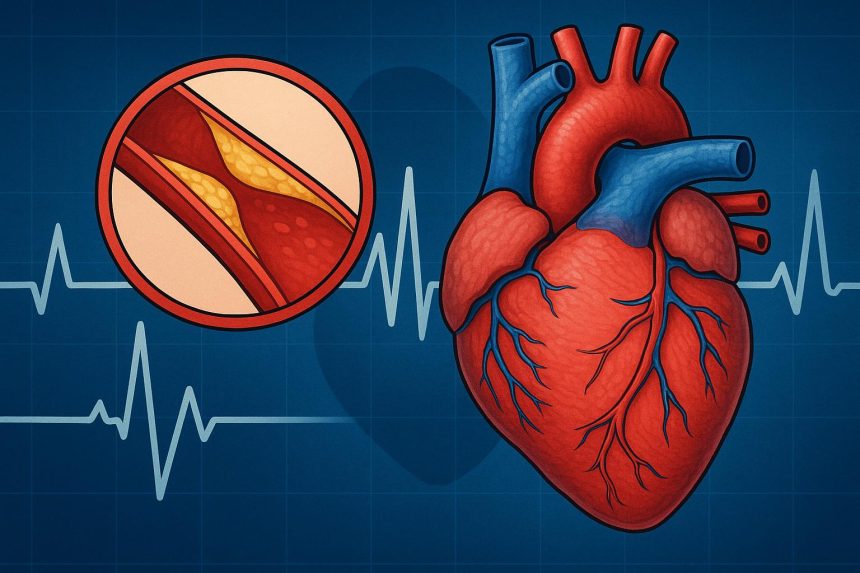
Ischemic heart disease (IHD) occurs when the coronary arteries shrink or become obstructed, starving the heart muscle of essential oxygen and vital nutrients. Coronary artery disease (CAD) causes this medical condition, which is among the leading causes of death globally.
Atherosclerosis is IHD's main cause, as it causes CAD, which leads to IHD. Atherosclerosis involves slow and progressive hardened plaque accumulation inside arterial walls. This plaque consists of fatty deposits, cholesterol, and calcium that harden and restrict blood flow over time.
Consequently, reduced oxygen levels force the heart to alter its fuel metabolism. The organ shifts from oxygen-based processes to lactate production, a transition that results in an acidic and toxic cellular environment. This acidity can damage the heart muscle cells and prevent the organ from contracting with enough force to pump blood effectively.
IHD manifests in various forms, each categorized by its severity. These include stable angina, unstable angina, silent ischemia, myocardial infarction (MI), and variant angina. Stable angina causes chest pressure during physical activity that typically subsides with rest. Unstable angina is dangerous because it occurs unexpectedly, even at rest, and signals a high risk of a heart attack.
Silent ischemia involves restricted blood flow without any painful symptoms and is common among people with diabetes. MI occurs when a coronary artery is completely obstructed and may cause the heart muscle tissue to die. MI is life-threatening and presents as prolonged chest pain, nausea, and cold sweats.
Notably, MI is the most severe and acute form of IHD. Studies reveal that an American experiences a heart attack every 34 seconds, making public awareness essential. Lastly, variant angina is a rare type caused by a sudden spasm in the coronary artery. These spasms usually happen at rest. Cold or stress can trigger them.
The risk factors for developing IHD involve a mix of unhealthy lifestyle choices and uncontrollable biological traits. Modifiable behaviors like tobacco smoking, poor nutrition, and physical inactivity accelerate the damage to healthy arterial linings.
Chronic conditions such as high blood pressure and elevated cholesterol further accelerate this damage. Moreover, elderly people and those with a family history of cardiovascular disease are at a higher risk of developing IHD. While genes can't be changed, managing body weight and blood sugar can help counteract their biological predisposition toward IHD.
Managing IHD involves relieving its symptoms to prevent further damage. Lifestyle changes that can help include eating fresh produce, whole grains, and legumes. One should also eliminate tobacco use. Regular aerobic exercise for at least 30 minutes daily can strengthen the human heart and improve circulation. Furthermore, controlling one's weight – through diet and exercise – can reduce physical stress on the cardiovascular system.
Medical interventions include antiplatelet drugs like aspirin, which help prevent internal blood clots that could lead to a heart attack. For severe cases, minimally invasive procedures such as angioplasty can open narrowed vessels using a stent. A surgeon may also perform bypass surgery to create new blood flow paths around blocked areas. Success depends on a patient's long-term commitment to maintaining prescribed medical treatment and wellness habits.
Today, researchers are exploring new therapies to protect heart metabolism during periods of failure. Innovative treatments include drugs like ranolazine, which reduces internal calcium buildup in heart cells. Additionally, scientists are investigating gene therapies that can repair damaged heart muscles.
Long-term recovery also depends on addressing psychological factors such as depression and anxiety. Cardiac rehabilitation programs provide support that helps manage mental health challenges while rebuilding physical strength. Overall, an individual's recovery plan must integrate clinical care with social, behavioral, and emotional well-being.
About Dr. Boutros Mikhail
Dr. Boutros Mikhail is a Toronto-based physician and general practitioner with more than 20 years of experience in hospital, clinical, emergency, and rural care settings. His practice has included preventive care, dermatology, chronic disease management, hypertension, diabetes, mental health, and acute illness treatment. He earned medical and pediatric credentials from Cairo University, a practical dermatology diploma from Cardiff University, and is a fellow of the College of Family Physicians of Canada.

Lynn Martelli is an editor at Readability. She received her MFA in Creative Writing from Antioch University and has worked as an editor for over 10 years. Lynn has edited a wide variety of books, including fiction, non-fiction, memoirs, and more. In her free time, Lynn enjoys reading, writing, and spending time with her family and friends.