Table of Contents
1. Understanding the Science of Insulation in Extreme Environments
2. The Metrics of Warmth: Fill Power and Fill Weight Explained
3. Construction Methods: Box Wall versus Stitch Through
4. Weather Resistance and the Role of Hydrophobic Down
5. Fabric Durability and Weight Optimization for High Altitude
6. Essential Features for Technical Expeditions
7. Sustainable Sourcing and Ethical Standards in Down Production
8. Maintenance and Longevity of Professional Grade Outerwear
9. Preparing for the Peak: Final Gear Integration
Understanding the Science of Insulation in Extreme Environments
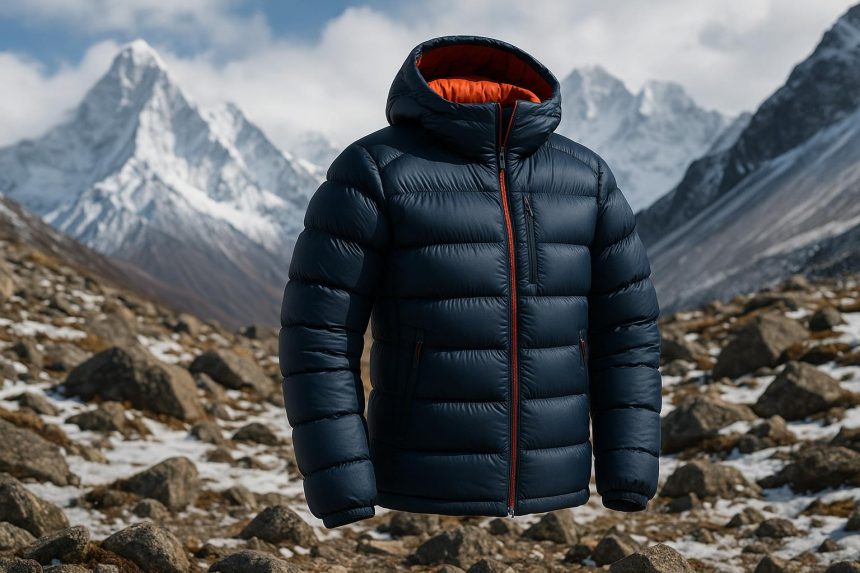
When preparing for an expedition where temperatures frequently drop well below freezing, your choice of insulation is the most critical decision in your gear closet. Goose down remains the gold standard for high altitude and polar exploration due to its unparalleled warmth to weight ratio. Unlike synthetic alternatives, down is composed of thousands of tiny, plumule clusters found beneath the feathers of waterfowl. These clusters create a complex structure that traps vast amounts of air, which is then heated by your body to create a protective thermal barrier against the external environment.
In the context of professional mountaineering, the efficiency of this insulation is measured by its ability to compress into a small volume while retaining the loft necessary to keep the wearer alive during a transition or an emergency bivouac. When you are operating in regions like the Himalayas or the Karakoram, every gram counts, but thermal security cannot be compromised. Choosing a high quality goose down jacket ensures that you have a reliable heat source that can be deployed instantly when the sun goes down or the wind picks up.
The Metrics of Warmth: Fill Power and Fill Weight Explained
To select the right garment, one must first distinguish between fill power and fill weight. Fill power is a measure of the quality and lofting ability of the down. It is calculated by placing one ounce of down in a graduated cylinder and measuring how many cubic inches it occupies. High end expedition jackets typically utilize 800 fill power or higher. This means the down is exceptionally efficient at trapping heat relative to its mass.
Fill weight, on the other hand, refers to the actual mass of down stuffed into the jacket. A jacket with 400 grams of 850 fill power down will be significantly warmer than a jacket with 200 grams of the same quality down. When evaluating a goose down jacket for your next expedition, you must look at both numbers to understand the true temperature rating of the piece. For extreme cold, you are looking for a high fill weight of high fill power down. This combination creates the massive loft required to combat ambient temperatures of minus thirty degrees Celsius or lower.
Construction Methods: Box Wall versus Stitch Through
The way a jacket is sewn together is just as important as the insulation inside it. There are two primary construction methods used in the industry today, each serving a different purpose. Stitch through construction is the most common and involves sewing the inner and outer fabric layers together to create baffles. While this is lightweight and great for mid layers, it creates cold spots at every seam where the insulation is pinched to zero.
For true expedition use, box wall construction is the mandatory standard. In this method, vertical walls of fabric are sewn between the inner and outer shells, creating three dimensional rectangular chambers. This allows the down to loft fully across the entire surface of the jacket, eliminating cold spots and ensuring a consistent layer of warmth. When looking for a Jöttnar expedition jacket, you will notice that their highest thermal output pieces utilize this complex baffling to ensure maximum protection in the most hostile environments on earth.
Weather Resistance and the Role of Hydrophobic Down
One of the historical weaknesses of down was its vulnerability to moisture. When down gets wet, the clusters collapse, losing their ability to trap air and subsequently losing their insulating properties. Modern technology has solved this through the application of hydrophobic treatments. These are PFC free water repellent coatings applied directly to the down clusters before they are stuffed into the baffles.
Hydrophobic down can stay dry significantly longer than untreated down and, more importantly, it dries much faster if it does get damp. This is a game changer for multi day expeditions where drying out gear in a tent is nearly impossible. When combined with a moisture shedding outer shell, a treated goose down jacket becomes a robust tool capable of handling spindrift and light precipitation without failing.
Fabric Durability and Weight Optimization for High Altitude
The outer shell of an expedition jacket must balance two competing needs: durability and weight. Most technical jackets use Pertex Quantum or similar high tenacity nylon fabrics. These materials are incredibly thin yet engineered with ripstop patterns to prevent small punctures from turning into catastrophic failures. In high altitude environments, the air is thinner and UV radiation is much stronger, which can degrade fabrics over time.
- Choose a face fabric with at least a 20 denier rating for general expedition use.
- Consider reinforced panels on the shoulders and sleeves where abrasion from ropes or packs is common.
- Ensure the fabric has a high quality Durable Water Repellent finish to help moisture bead off the surface.
Weight optimization is not just about making the jacket lighter to carry; it is about reducing the caloric burn of the climber. Every extra pound of gear requires more oxygen and energy to move at altitude. Professional explorers often choose Jöttnar for its focus on streamlined designs that remove unnecessary bulk while maintaining the structural integrity needed for technical climbing.
Essential Features for Technical Expeditions
A true expedition jacket is more than just a warm coat; it is a piece of life support equipment with specific features designed for extreme conditions. The hood is a primary example. It must be large enough to fit over a climbing helmet but adjustable enough to seal around the face when a helmet is not worn. This creates a snorkel effect that protects the face from biting winds.
- Insulated draft tubes behind the main zipper to prevent heat leakage.
- Large internal mesh pockets for drying gloves or keeping water bottles from freezing.
- High hand warmer pockets that remain accessible while wearing a climbing harness.
- Elasticated or adjustable cuffs that seal over or under heavy expedition mitts.
These details might seem minor in a shop, but at 7,000 meters in a storm, they become the difference between comfort and frostbite. The ability to manipulate zippers and adjustments while wearing thick gloves is a hallmark of a well designed technical garment.
Sustainable Sourcing and Ethical Standards in Down Production
As consumers of high performance outdoor gear, we have a responsibility to ensure the materials used are sourced ethically. The Responsible Down Standard is the industry benchmark, ensuring that the down comes from birds that have not been subjected to unnecessary harm, such as live plucking or force feeding. Ethical sourcing also tends to correlate with higher quality down, as healthy birds produce more robust and resilient down clusters.
Many leading brands now provide trackable down, allowing you to see exactly where the insulation in your specific jacket originated. This transparency ensures that your pursuit of adventure does not come at the cost of animal welfare. High quality goose down is a byproduct of the food industry, and by using this material, we are utilizing a natural resource that would otherwise go to waste, all while benefiting from its superior performance.
Maintenance and Longevity of Professional Grade Outerwear
A high quality goose down jacket represents a significant financial investment, and with proper care, it can last for over a decade of expeditions. The most important rule of down care is never to store the jacket compressed in its stuff sack for long periods. This can damage the delicate filaments of the down clusters and permanently reduce the loft. Instead, hang it in a cool, dry place where it can remain fully lofted.
Cleaning a down jacket is also vital, as oils from your skin and dirt from the trail can clump the down together. Use a specialized down wash rather than standard detergent, which can strip the natural oils from the feathers. Tumble drying on low heat with clean tennis balls or dryer balls is the only way to properly restore the loft after washing. The balls gently beat the down as it dries, breaking up clumps and ensuring the jacket returns to its original puffiness.
Preparing for the Peak: Final Gear Integration
Selecting the right insulation is only one part of a broader layering system. Your goose down jacket is your stationary layer or your extreme cold active layer. It must work in harmony with your base layers and mid layers to manage moisture and heat. For many alpinists, the Jöttnar layering philosophy provides a blueprint for how to stack these pieces for maximum efficiency. By choosing a jacket that fits comfortably over your other layers without compressing them, you ensure that the entire system functions at its peak thermal capacity.
When you are finally standing at the base of your objective, the confidence provided by a well chosen Jöttnar jacket allows you to focus entirely on the climb ahead. Knowing that you have the best possible protection against the elements provides a psychological edge that is just as important as the physical warmth. The right goose down jacket is not just a piece of clothing; it is a portable sanctuary that allows humans to survive and thrive in the most inhospitable places on our planet.
As you finalize your kit for the next big trip, remember that the extremes do not forgive poor preparation. Prioritize fill power, construction quality, and functional design above all else. With the right equipment, the world’s highest peaks and coldest plateaus become accessible, turning daunting challenges into achievable goals. Your expedition starts long before you reach the mountain; it begins with the careful selection of the gear that will bring you home safely.

Lynn Martelli is an editor at Readability. She received her MFA in Creative Writing from Antioch University and has worked as an editor for over 10 years. Lynn has edited a wide variety of books, including fiction, non-fiction, memoirs, and more. In her free time, Lynn enjoys reading, writing, and spending time with her family and friends.