A healthcare need doesn’t have to be serious to disrupt your day. A routine question, follow-up appointment, or medication renewal can still mean rearranging work, organizing childcare, traveling to a clinic, and sitting in a waiting room.
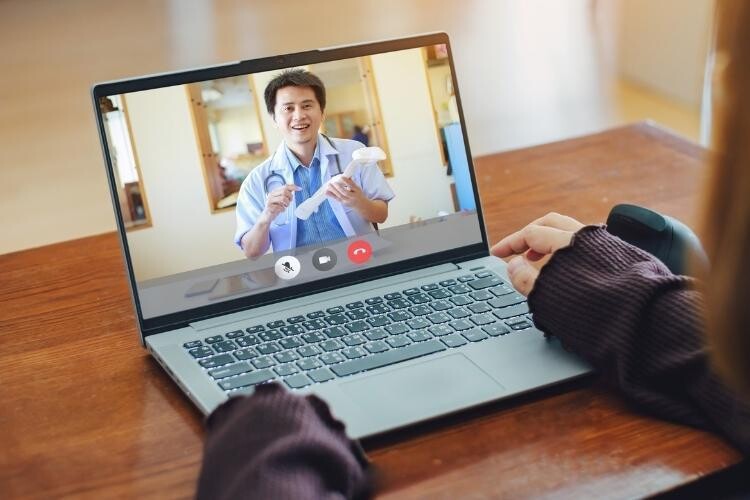
Telehealth technology offers another option. For healthcare needs that clinicians can safely assess remotely, patients can connect with medical professionals without making an unnecessary trip. This shift is making many everyday interactions with healthcare simpler and more practical.
Handling Routine Healthcare Tasks From Home
Many interactions with healthcare providers don’t involve physical examinations, procedures, or diagnostic tests. Patients often need help with much simpler tasks, such as asking a follow-up question, discussing an ongoing treatment, or requesting a medication renewal.
Telehealth can move some of these interactions online. For example, a patient who needs a prescription renewal may be able to submit a request remotely for review rather than automatically scheduling an office visit. Services such as 24hrdoc.com give patients a way to request a prescription refill online, with the request then subject to appropriate medical review.
Technology doesn’t replace clinical judgment. A healthcare professional still needs to decide whether they have enough information to handle a request remotely. Depending on the medication or the patient’s circumstances, the clinician may need additional information or recommend an in-person appointment. However, having a remote option can remove several practical steps from a routine healthcare task.
Making Healthcare Fit More Easily Into Daily Life
An appointment may only last a short time, but the appointment itself tells only part of the story. Patients also have to consider travel, waiting times, work schedules, family responsibilities, and transportation.
Telehealth can remove some of those obstacles when a physical visit adds little to the consultation. Instead of traveling across town to ask a question that a clinician can address remotely, a patient may be able to speak with a healthcare professional from home or another private location.
This flexibility can also help people who live some distance from the healthcare services they need. A long journey becomes a significant inconvenience when the purpose of the appointment is simply to discuss an existing treatment or ask what to do next.
Giving Patients More Ways to Stay in Touch
Healthcare often continues long after someone leaves a clinic. A patient may think of a question later, notice a change in symptoms, experience a possible side effect, or need advice about the next stage of treatment.
Traditionally, dealing with those questions could mean waiting for another appointment. Digital healthcare gives clinicians and patients more ways to communicate between in-person visits.
That can make routine follow-up less cumbersome. Patients can raise appropriate concerns without assuming that every question requires another trip to a clinic. Clinicians can then decide whether they can address the issue remotely or need to see the patient in person.
This approach works particularly well when people treat telehealth as an additional route into healthcare rather than a substitute for every other form of care. A virtual conversation can answer some questions. Other concerns need an examination, testing, or hands-on treatment.
Knowing When an In-Person Visit Makes More Sense
Convenience should never decide how someone seeks medical care on its own. The nature of the health concern matters more.
Some routine follow-ups and medication-related requests may suit remote care. A clinician may also use an online consultation as a first step when deciding what kind of care a patient needs next.
Other situations call for an in-person assessment. A healthcare professional may need to examine an injury, check physical signs, collect samples, carry out tests, or perform a procedure. Serious or rapidly worsening symptoms may require urgent medical attention rather than a routine telehealth consultation.
Patients should pay attention when a clinician recommends moving from remote care to an in-person appointment. That recommendation does not mean telehealth has failed. In many cases, the remote consultation has done its job by identifying the next appropriate step.
Preparing for a Better Virtual Consultation
A useful telehealth appointment still depends on good communication. A screen cannot compensate for missing or unclear information, so patients can make remote consultations more productive by preparing beforehand.
Start by making a note of the main reason for the appointment. If you have symptoms, think about when they started, whether they have changed, and what makes them better or worse. Keep details about current medications, allergies, and relevant treatment close at hand.
It also helps to write down questions before the consultation. A short list can stop you from forgetting something important once the conversation starts.
Finally, pay close attention to the next steps. Ask when you should seek further help, what changes you should watch for, and whether you need an in-person assessment. Good telehealth should leave you with a clear idea of what happens after the call or online interaction ends.
Recognizing the Limits of Digital Access
Telehealth removes certain barriers, but digital healthcare can create its own challenges. Patients need suitable internet access, a compatible device, and enough confidence with technology to use the service.
Privacy matters too. A patient discussing personal medical information needs an appropriate place to speak freely. That can prove difficult for someone who shares a home, works in a busy environment, or has limited access to private space.
Some patients may simply communicate better face to face. Others may need accessibility support when using online platforms. Healthcare providers therefore need to keep different routes to care available rather than assuming that digital access works equally well for everyone.
Final Thoughts
Telehealth technology is changing everyday healthcare by making suitable services available beyond the traditional clinic. Patients can increasingly handle routine questions, follow-ups, and certain medication-related needs remotely, while healthcare professionals continue to decide when an in-person visit is necessary.
For patients, the most useful approach is to think of telehealth as another way to access care, not as a replacement for clinics, examinations, or urgent medical services. As digital healthcare becomes a more familiar part of daily life, its success will depend on a straightforward principle. Use technology where it makes healthcare easier to access, while keeping professional judgment and patient needs at the center of every decision.

Lynn Martelli is an editor at Readability. She received her MFA in Creative Writing from Antioch University and has worked as an editor for over 10 years. Lynn has edited a wide variety of books, including fiction, non-fiction, memoirs, and more. In her free time, Lynn enjoys reading, writing, and spending time with her family and friends.