


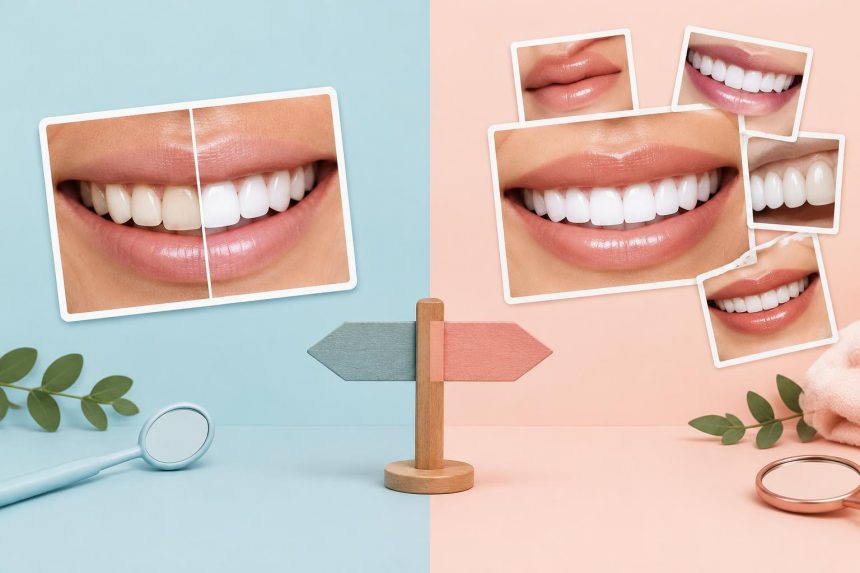
You notice a chipped edge while looking at a photograph. Or perhaps one tooth has bothered you for years, even though the rest of your smile feels right. Searching for solutions can quickly turn that single concern into a long list of possible procedures.
Before choosing treatment, it helps to separate what you want to change from what you are already happy with. A cosmetic dental consultation is an opportunity to discuss both. You may find that a limited adjustment suits your goals, or that several concerns need to be considered together.
The decision should begin with your teeth, your oral health, and your expectations.
Start With One Clear Concern
Try describing the change you want without naming a procedure. “This edge looks uneven” or “I would like my teeth to appear brighter” gives the dentist a useful starting point.
Be specific about when the concern bothers you. Is it noticeable in photographs, while speaking, or only when you examine your teeth closely? Does it affect comfort or function as well as appearance?
These details help define the purpose of treatment. They also make it easier to discuss how much change would feel worthwhile. You do not have to want a completely different smile to ask about cosmetic dentistry.
Check the Health of Your Teeth and Gums First
An appearance concern may be what brings you to the office, but the assessment should also consider the condition of your mouth. Mention sensitivity, pain when chewing, recurring bleeding, or changes you have noticed around a tooth.
The National Institute of Dental and Craniofacial Research’s guide to gum disease explains how plaque and tartar can contribute to inflammation and damage affecting the gums and supporting tissues.
Ask whether any existing concerns need attention before cosmetic treatment begins. If the dentist recommends addressing another issue first, request an explanation of how it affects the proposed work.
Bring an updated medication list and relevant medical information, too. A consultation is more useful when the dentist has an accurate picture of your health.
Understand What Each Option Can Change
A brighter tooth is not necessarily a differently shaped tooth, and changing appearance may involve different approaches depending on the cause of the concern.
For example, the American Dental Association’s information on teeth whitening explains that whitening does not work on every type of discoloration and does not change the color of crowns, veneers, or fillings. That matters when natural teeth and existing restorations are visible together.
Patients exploring cosmetic dental care in South Indianapolis can ask which treatments the practice offers and what each could realistically accomplish in their case.
Ask about alternatives rather than assuming the first option discussed is the only one. A useful comparison should cover benefits, limitations, possible complications, and any permanent changes to natural tooth structure.
Describe What “Natural” Means to You
People use the word “natural” to describe very different results. One person wants a subtle improvement that friends may barely notice. Another prefers a brighter, more uniform appearance.
Explain your preferences in concrete terms. You might want to keep a small gap, preserve a distinctive tooth shape, or avoid a shade that looks too bright to you.
Photographs can help communicate these preferences, provided they are treated as examples rather than promises. Ask the dentist which features are achievable and which depend on your existing teeth, gums, and bite.
If previews or models are available, discuss what they demonstrate and what they cannot predict.
Plan for Life After Treatment
Before making a decision, ask what daily care and future maintenance would involve. Would you need different cleaning techniques? What follow-up visits are expected? Could repairs or replacement be necessary later?
Discuss costs in writing, including what the estimate covers and whether additional appointments may be needed. If several procedures are proposed, ask about their sequence and whether treatment can be staged when appropriate.
Timing deserves the same attention. Tell the dentist about an upcoming event, but leave room for an honest discussion about what can be completed without rushing.
Choose a Result You Can Feel Comfortable Maintaining
A consultation should leave you better informed, even if you decide to wait. You may choose a modest change, proceed with a broader plan, or address oral health needs before revisiting appearance.
Take the recommendations home and review anything you did not fully understand. The right scope of treatment is the one you can explain, afford, maintain, and choose with realistic expectations.
About the Contributor
Wagner Sleep Dental offers cosmetic dental care in South Indianapolis. Its team helps patients explore treatment options based on their oral health, smile goals, and preferences. Patients can contact the practice to discuss available procedures, expected maintenance, and costs before deciding on treatment.

Lynn Martelli is an editor at Readability. She received her MFA in Creative Writing from Antioch University and has worked as an editor for over 10 years. Lynn has edited a wide variety of books, including fiction, non-fiction, memoirs, and more. In her free time, Lynn enjoys reading, writing, and spending time with her family and friends.