


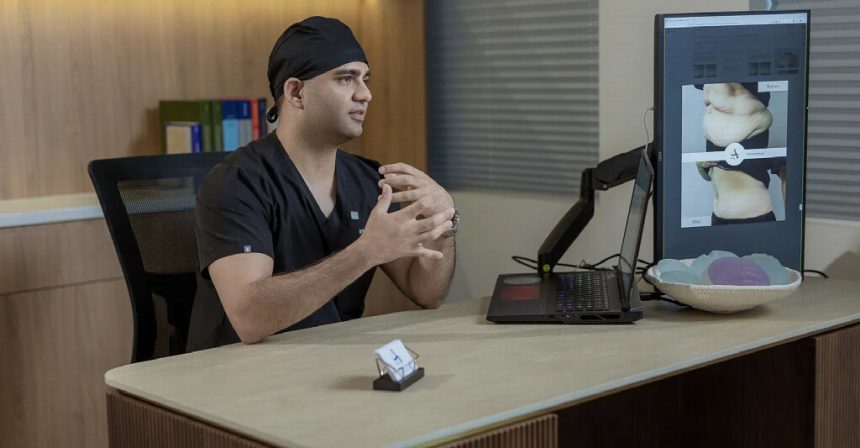
Changes in abdominal skin and tissue can occur following pregnancy, weight fluctuations and the natural ageing process. For some people, these changes may result in loose skin or a small amount of excess tissue around the lower abdomen that remains despite maintaining a stable weight. While exercise can strengthen abdominal muscles and support overall fitness, it cannot always reverse changes in skin elasticity. Mini abdominoplasty, sometimes called a mini tummy tuck, is a surgical procedure designed to remove excess skin from a limited area of the lower abdomen. However, understanding its purpose, limitations and potential risks is essential before considering surgery.
Unlike a full abdominoplasty, which generally addresses a larger section of the abdomen, a mini abdominoplasty focuses primarily on the area below the belly button. The procedure is not appropriate for everyone, and suitability depends on individual anatomy, medical history and treatment goals. People researching mini abdominoplasty surgery in Sydney should understand what the operation involves, how recovery may affect daily activities and what complications can occur. A consultation with an appropriately qualified specialist plastic surgeon is necessary to determine whether the procedure is suitable and whether other options may be more appropriate.
Understanding What Mini Abdominoplasty Involves
Mini abdominoplasty is a surgical procedure that removes a limited amount of excess skin and, in some cases, underlying fatty tissue from the lower abdomen. The operation generally involves an incision positioned below the belly button, often within the lower abdominal area where it may be covered by certain clothing. The surgeon removes excess tissue and closes the incision to address localised skin laxity. The exact surgical technique varies depending on the patient’s anatomy and the amount of tissue requiring treatment.
A key difference between mini and full abdominoplasty is the extent of the area being treated. Mini abdominoplasty usually does not require repositioning the belly button, whereas a full procedure may involve more extensive skin removal and abdominal wall repair. Some mini procedures may include limited muscle tightening, but they are not generally suitable for addressing substantial muscle separation extending above the navel. Patients should understand that mini abdominoplasty is a surgical intervention rather than a non-invasive skin treatment. It requires appropriate anaesthesia, postoperative care and sufficient recovery time.
Assessing Lower Abdominal Skin and Muscle Changes
Before considering mini abdominoplasty, it is important to understand the underlying cause of the abdominal changes. Loose skin, localised fat deposits and separation of the abdominal muscles are different concerns that may require different approaches. Skin laxity occurs when the skin loses some of its ability to contract, which can happen after pregnancy, weight changes or ageing. Muscle separation, also known as diastasis recti, involves a widening of the connective tissue between the abdominal muscles.
A surgeon assesses these factors through a physical examination and a review of the patient’s medical history. The amount and location of excess skin are particularly important because mini abdominoplasty addresses a relatively limited area. If loose skin extends significantly above the belly button, a mini procedure may not provide an appropriate correction. Similarly, substantial abdominal muscle separation may require a different treatment approach. Understanding the anatomical cause of the concern helps establish whether surgery is appropriate and prevents expectations that cannot reasonably be achieved through a limited procedure.
Understanding Who May Be Suitable for the Procedure
Mini abdominoplasty may be considered for adults with localised excess skin below the belly button who are otherwise in suitable health for elective surgery. Patients are generally advised to have a relatively stable weight because significant weight changes after surgery can affect the appearance of the abdomen. The procedure is not intended for weight loss or the treatment of obesity, and it does not replace healthy lifestyle habits.
Suitability also depends on medical conditions, previous abdominal operations, smoking status and individual healing risks. Certain health conditions or medications may increase the likelihood of complications and require additional assessment. People planning future pregnancies should discuss this with their surgeon because pregnancy can stretch abdominal tissues again and change the results of a previous procedure. Some patients may benefit more from non-surgical management, a different operation or no intervention. A responsible surgical consultation should consider these possibilities rather than assuming that mini abdominoplasty is the appropriate choice for every patient concerned about their lower abdomen.
Considering Surgical Scars and Potential Complications
Scarring is an unavoidable part of mini abdominoplasty because the procedure requires an incision through the skin. Although the incision is generally shorter than the one used for a full abdominoplasty, its length and position depend on the amount of tissue removed and the surgical technique. Scars typically change in appearance as healing progresses, but they remain permanent and may be more noticeable in some individuals.
Like other surgical procedures, mini abdominoplasty carries potential complications. These include bleeding, infection, fluid accumulation known as a seroma, delayed wound healing, changes in skin sensation and unfavourable scarring. More serious complications, including blood clots and anaesthesia-related problems, are also possible. Smoking, certain medical conditions and other individual factors may increase surgical risks. Patients should discuss both common and less frequent complications with their surgeon and understand how problems would be managed if they occurred. It is important to consider the possibility of additional treatment or revision surgery rather than assuming that the initial operation will produce the desired outcome without complications.
Understanding Recovery and Activity Restrictions
Recovery after mini abdominoplasty varies depending on the extent of surgery, individual healing and the patient’s general health. Some people may experience less extensive recovery requirements than those undergoing a full abdominoplasty, but mini abdominoplasty still involves surgical wounds and tissue healing. Swelling, bruising, tightness and discomfort are common during the early recovery period.
Patients may need to limit strenuous exercise, heavy lifting and activities that place tension on the abdominal area while healing. The surgeon may recommend specific wound care instructions, supportive garments and follow-up appointments. The timeframe for returning to work depends on the physical demands of the job and the patient’s progress. Someone performing desk-based duties may have different recovery requirements from a person whose work involves lifting or prolonged physical activity. Patients should arrange suitable assistance at home if necessary and avoid making travel or work commitments that conflict with postoperative restrictions. Following individual medical advice is important because returning to demanding activities too early may increase the risk of complications.
Setting Realistic Expectations About Surgical Outcomes
Understanding the limitations of mini abdominoplasty is essential for making an informed decision. The procedure is designed to address a specific area of excess lower abdominal skin, but it does not necessarily produce a completely flat abdomen or eliminate every contour irregularity. The final appearance depends on existing anatomy, skin quality, tissue distribution and how the body heals after surgery.
Patients should also understand that swelling can temporarily affect the appearance of the treated area and that scars continue to mature over time. Results vary between individuals, and no surgeon can guarantee a particular aesthetic outcome. Changes associated with future pregnancy, weight fluctuations and ageing may also affect the abdomen after surgery. During consultation, patients should discuss what improvements may be achievable and which concerns are unlikely to change. Reviewing appropriately presented before-and-after photographs may help explain the range of possible outcomes, but photographs of other patients should not be treated as a prediction of personal results. Realistic expectations are particularly important when considering elective cosmetic surgery.
Choosing a Qualified Surgeon and Preparing for Consultation
Choosing an appropriately qualified surgeon is an important part of considering mini abdominoplasty. In Australia, patients can check a practitioner’s registration and specialist qualifications through the Australian Health Practitioner Regulation Agency. A specialist plastic surgeon has completed recognised specialist training, although patients should still ask about the surgeon’s experience with the particular procedure being considered.
A thorough consultation should include a medical history review, physical assessment and discussion of the proposed surgical approach. Patients should ask about potential complications, anaesthesia, recovery requirements, expected scarring and the possibility of additional treatment. It is also important to understand the total costs, including hospital, anaesthesia and postoperative expenses, along with arrangements for managing complications. Patients should be given adequate time to consider the information, ask questions and make a decision without pressure. For cosmetic surgery in Australia, applicable professional guidelines also require specific assessment and informed consent processes, including cooling-off periods. Taking time to understand these requirements can support a more informed and considered decision.
Conclusion
Mini abdominoplasty is a surgical option that may be considered for people with localised excess skin in the lower abdominal area. However, it is not suitable for every type of abdominal concern and should not be viewed as a weight loss procedure or a substitute for general health and fitness. The decision requires careful consideration of individual anatomy, medical suitability, permanent scarring, potential complications and recovery commitments.
Anyone considering mini abdominoplasty should seek an individual assessment from an appropriately qualified specialist plastic surgeon and discuss the available alternatives. Understanding what the procedure can and cannot achieve is essential for establishing realistic expectations. By reviewing the risks, recovery requirements and potential outcomes without rushing the decision, patients can determine whether surgery is appropriate for their circumstances and make a choice based on reliable medical information.

Lynn Martelli is an editor at Readability. She received her MFA in Creative Writing from Antioch University and has worked as an editor for over 10 years. Lynn has edited a wide variety of books, including fiction, non-fiction, memoirs, and more. In her free time, Lynn enjoys reading, writing, and spending time with her family and friends.