


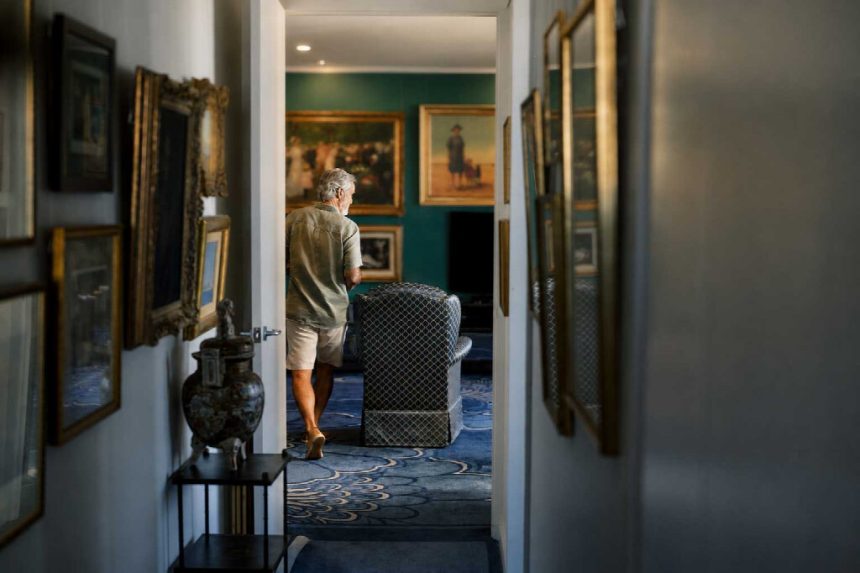
Moving into a retirement community is an important lifestyle decision that can bring both excitement and uncertainty. For many older Australians, one of the biggest concerns is whether changing their living arrangements will affect their independence. After spending years managing their own homes, making personal decisions and following familiar routines, the idea of community living may feel like a significant adjustment. However, independent retirement living is generally designed to allow residents to continue enjoying their preferred lifestyle while benefiting from convenient facilities, social opportunities and reduced property maintenance responsibilities.
Maintaining independence involves more than living alone or completing everyday tasks without assistance. It also means having control over personal choices, maintaining meaningful relationships and participating in activities that bring enjoyment. Older Australians exploring retirement living in Sydney’s eastern suburbs can consider communities that provide private residences alongside lifestyle facilities and optional services. Understanding how to preserve familiar routines, establish personal boundaries and make informed decisions can help retirees approach this transition with greater confidence.
Understanding Independence in Retirement Living
Independence means different things to different people. For some retirees, it involves maintaining an active social calendar, travelling regularly or pursuing personal interests. Others value having a quiet home, preparing their own meals and managing everyday responsibilities without unnecessary involvement from others. A suitable retirement community should allow residents to maintain control over these choices wherever practical.
Independent retirement living is generally different from residential aged care. Residents usually occupy private accommodation and manage their daily lives, although the services and facilities available vary between communities. Moving into a retirement residence does not automatically mean following a fixed schedule or participating in organised activities. However, community rules and residence agreements may establish certain conditions relating to property use and shared facilities. Understanding these arrangements before moving helps retirees determine whether the environment supports their preferred level of independence.
Choosing a Residence That Supports Your Lifestyle
The design and functionality of a retirement residence can influence how comfortably someone maintains their independence. A suitable home should provide enough space for everyday activities, personal belongings and preferred routines. Practical features such as accessible entrances, convenient storage, appropriate lighting and easy-to-use kitchens can make daily tasks more manageable.
When comparing residences, retirees should consider how the layout supports their current lifestyle and potential future needs. Someone who enjoys cooking may prioritise kitchen space, while another person may prefer a comfortable living area for entertaining family and friends. Access to parking, outdoor areas and nearby services may also be important. It is useful to visit properties at different times and consider how everyday activities would work in the available space. Choosing accommodation based on practical requirements rather than appearance alone can help residents feel comfortable and maintain familiar habits after moving.
Maintaining Familiar Routines and Personal Interests
Familiar routines provide structure and continuity during major lifestyle changes. Moving into a retirement community does not mean abandoning activities that have been part of everyday life for years. Whether someone enjoys morning walks, reading, gardening, exercise or spending time with friends, maintaining these interests can make the transition feel more natural.
Before moving, retirees can identify which routines are most important and consider how they will continue them in their new surroundings. For example, someone who regularly attends a local community group may want convenient transport connections, while an enthusiastic gardener might look for accessible outdoor spaces. It can also help to bring meaningful furniture, photographs and personal belongings into the new residence. These familiar items create a sense of continuity and make the property feel more like home. Establishing a comfortable routine early can reduce the disruption associated with moving and support a stronger sense of personal independence.
Making Your Own Decisions About Daily Activities
One advantage of independent retirement living is the opportunity to choose how each day is spent. Many communities provide organised activities, recreational facilities and social events, but residents can generally decide which opportunities suit their interests. Some people enjoy participating in group activities regularly, while others prefer occasional involvement.
Maintaining personal choice means recognising that retirement does not need to follow a particular schedule. Residents may continue working part-time, volunteering, travelling or spending time with family outside the community. When considering a retirement residence, it is useful to ask about visitor arrangements, access to facilities and any rules that could influence everyday activities. Prospective residents should also understand whether certain services operate during limited hours or require advance bookings. Clear information about these arrangements helps people make realistic decisions and maintain control over their time. A retirement community should complement personal interests rather than determine how every day must be organised.
Balancing Privacy With Community Involvement
Retirement communities can provide valuable opportunities to meet people and develop friendships. Shared facilities, organised activities and communal spaces make it easier for residents to interact with neighbours. These connections can be particularly beneficial for people who have moved away from established neighbourhoods or want to expand their social networks.
However, maintaining independence also involves having the freedom to enjoy privacy. Not everyone wants to participate in every social activity, and personal preferences may change from day to day. A comfortable retirement environment should provide opportunities for interaction without creating pressure to be constantly involved. Residents can establish their own balance by joining activities that genuinely interest them while keeping time for personal hobbies and relaxation. Having a private residence allows individuals to maintain boundaries and decide when they would like company. This balance can help community living feel supportive without becoming overwhelming.
Using Convenient Services Without Losing Independence
Many retirement communities offer services intended to simplify everyday responsibilities. Depending on the residence, these may include property maintenance, housekeeping, dining options, concierge assistance and organised transport. Access to these services can allow residents to spend less time managing household tasks and more time enjoying activities they value.
Using convenient services does not necessarily reduce independence. Instead, it can provide greater flexibility by allowing residents to decide which responsibilities they prefer to manage themselves. For example, someone may continue preparing most meals while occasionally using a dining service. Another resident may prefer assistance with cleaning while independently managing shopping and personal appointments. The important consideration is whether services are optional, accessible and appropriate for individual needs. Prospective residents should confirm what is included in regular fees and whether additional charges apply. They should also distinguish general lifestyle services from personal care or healthcare, which may require separate arrangements.
Planning for Changing Needs While Maintaining Personal Choice
Independence can change over time as personal circumstances, mobility and health requirements evolve. Planning for these possibilities does not mean expecting difficulties. Instead, it allows retirees to make informed decisions about accommodation and support arrangements while maintaining control over their preferences.
When choosing a retirement community, residents should investigate whether the property has accessible features and whether additional support services can be arranged if needed. It is also important to understand the limitations of independent retirement accommodation. Not every community provides personal care, nursing assistance or residential aged care services. Some residents may need to organise external providers or consider different accommodation if their requirements change significantly. Discussing future preferences with family members and obtaining appropriate professional advice can help clarify available options. Planning ahead allows retirees to consider practical arrangements without sacrificing the independence they currently enjoy.
Conclusion
Moving into a retirement community does not have to mean giving up independence or changing the activities that make everyday life enjoyable. With suitable accommodation, personal choice and access to convenient facilities, residents can continue maintaining familiar routines while exploring new opportunities for social interaction and recreation. The key is finding an environment that respects individual preferences and supports a comfortable lifestyle.
Retirees considering community living should take time to compare residences, understand available services and review any rules that may affect their daily activities. Maintaining relationships, setting personal boundaries and planning for future needs can also support a smoother transition. By choosing accommodation that reflects their priorities, older Australians can enjoy the practical benefits of retirement living while continuing to make their own decisions and maintain a fulfilling, independent lifestyle.

Lynn Martelli is an editor at Readability. She received her MFA in Creative Writing from Antioch University and has worked as an editor for over 10 years. Lynn has edited a wide variety of books, including fiction, non-fiction, memoirs, and more. In her free time, Lynn enjoys reading, writing, and spending time with her family and friends.