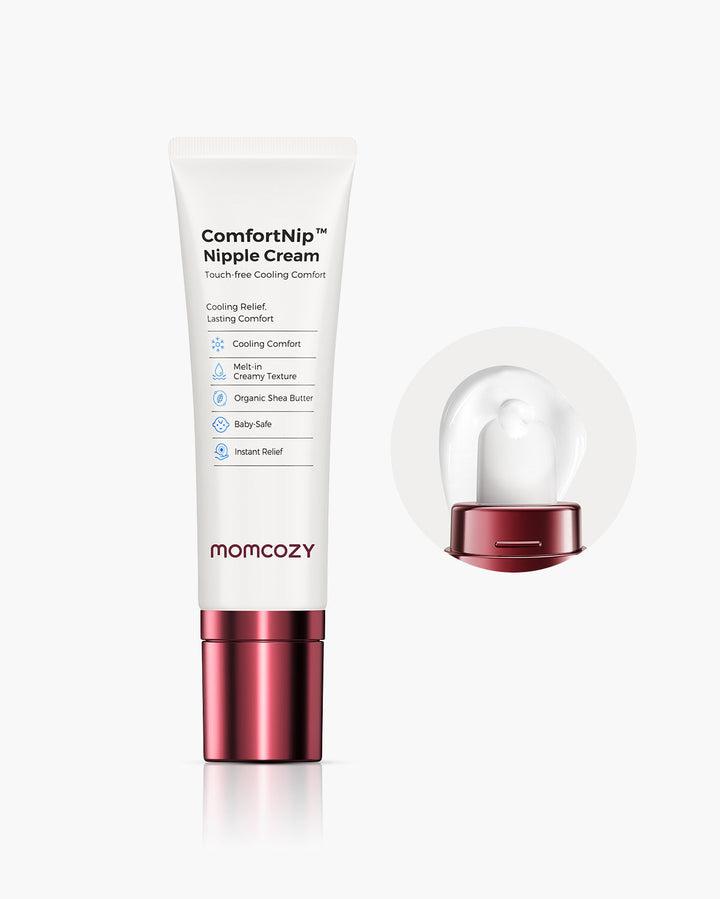
Every product a breastfeeding mother applies to her nipples ends up in close contact with her baby’s mouth. This simple reality makes choosing the right nipple cream one of the most critical decisions new mothers face during their breastfeeding journey. Yet many conventional nipple creams contain petroleum-based compounds, synthetic preservatives, and artificial fragrances that were never designed to be ingested by a newborn. These ingredients can trigger allergic reactions, disrupt delicate skin barriers, and raise legitimate safety concerns for both mother and child.
The good news is that plant-based nipple creams offer a powerful alternative—delivering effective moisturization through food-grade ingredients that are safe even if baby ingests trace amounts during feeding. Made from natural oils, butters, and botanical extracts, these formulations heal cracked and sore nipples without leaving harmful residue behind. In this article, we’ll explore the hidden dangers lurking in conventional nipple creams, explain why plant-based options outperform their synthetic counterparts, identify the essential features to look for in a safe product, and provide a practical guide to selecting and using plant-based nipple cream effectively throughout your breastfeeding experience.
The Hidden Dangers in Conventional Nipple Creams
Many popular nipple creams rely on petroleum-based ingredients like mineral oil and petrolatum as their primary moisturizing agents. While these substances create a temporary barrier on the skin, they are derived from crude oil refining and can contain trace contaminants called polycyclic aromatic hydrocarbons. When a baby latches onto a treated nipple, these petroleum residues transfer directly into their mouth and digestive system—a system far too immature to process synthetic compounds safely.
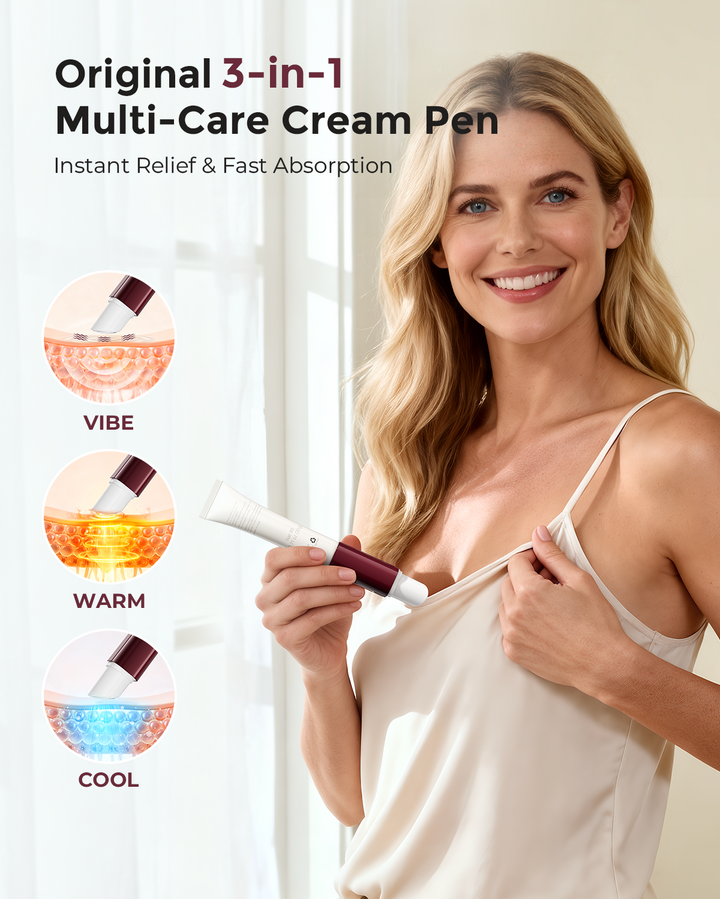
Parabens represent another widespread concern. Used as preservatives to extend shelf life, methylparaben and propylparaben mimic estrogen in the body and have been linked to endocrine disruption. For a nursing infant whose hormonal systems are still developing, even small repeated exposures raise red flags among pediatric health experts. Synthetic fragrances compound the problem further, as the term “fragrance” on a label can mask dozens of undisclosed chemical compounds, many of which are known skin sensitizers capable of triggering contact dermatitis in both mother and baby.
Beyond direct ingestion risks, these conventional formulations often leave a thick, waxy film on the nipple surface. This residue can alter the natural scent cues that guide a newborn to latch properly, potentially leading to feeding difficulties and reduced milk transfer. Some mothers report that heavy petroleum-based creams clog Montgomery glands—the small bumps on the areola that produce natural lubricating oils—which can paradoxically worsen dryness and cracking over time. The need for effective moisturization should never come at the cost of introducing questionable chemicals into such an intimate feeding relationship.
Why Plant-Based Nipple Creams Are the Safer Choice
A plant-based nipple cream derives its healing and moisturizing properties exclusively from botanical sources—think cold-pressed oils, unrefined butters, and naturally occurring waxes. What distinguishes these formulations as baby-safe is their reliance on ingredients that are edible, non-toxic, and free from synthetic processing agents. When every component in a cream could safely appear in a food product, the anxiety of a baby ingesting traces during nursing simply disappears.
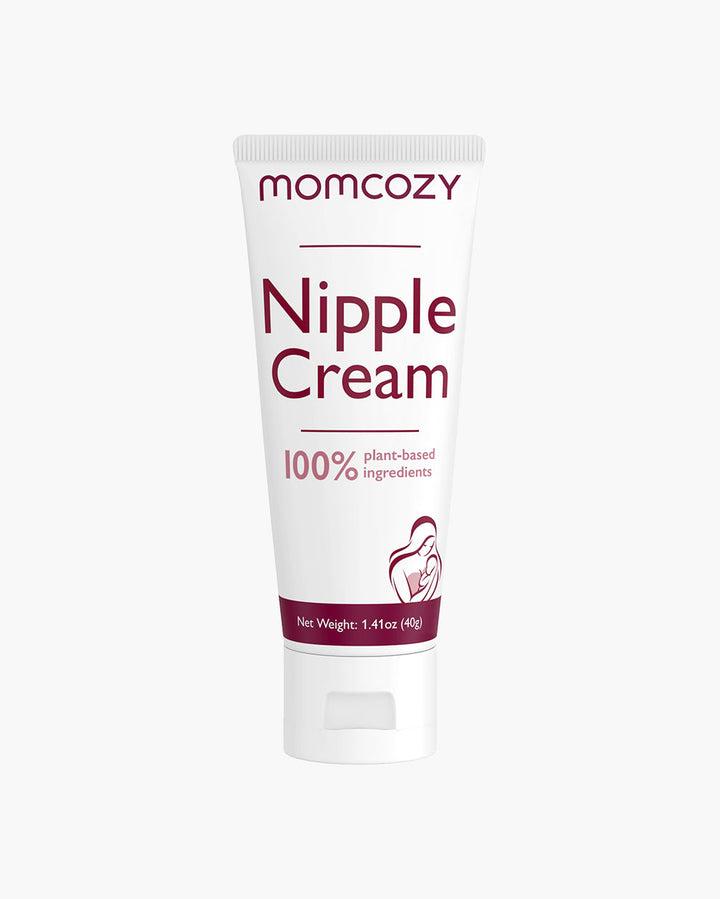
Ingredients like shea butter, coconut oil, and calendula extract deliver deep moisturization by working with the skin’s natural lipid structure rather than sitting on top of it. Shea butter is rich in vitamins A and E, which actively promote tissue repair in cracked nipples while forming a breathable protective layer. Coconut oil offers medium-chain fatty acids with inherent antimicrobial properties, helping prevent infection in damaged skin without introducing antibiotics or chemical antiseptics. These plant-based moisturizers absorb efficiently into the epidermis, meaning there is no greasy or waxy residue left behind when baby feeds.
This absorption advantage directly addresses a key shortcoming of conventional creams. Because plant-based formulations integrate into the skin rather than coating it, they preserve the natural scent and texture of the areola that newborns rely on for proper latching. Mothers using botanical creams consistently report that their babies nurse without hesitation, with no need to wipe the nipple before feeding. The result is a seamless care routine where effective moisturization and baby safety coexist—proving that choosing plant-based products means gaining performance, not sacrificing it.
Essential Features of Effective and Safe Nipple Creams
Finding the right nipple cream means looking beyond marketing claims and understanding the specific attributes that make a product both effective and genuinely safe for the breastfeeding relationship. The ideal cream must solve two problems simultaneously: it needs to heal damaged skin quickly while ensuring that nothing harmful reaches your baby during the next feeding session. When evaluating options, focus on absorption quality, ingredient transparency, and certification standards rather than brand recognition or packaging appeal.
Moisturizing Without Residue: How Plant-Based Creams Work
Plant-based moisturizers function differently from petroleum derivatives because their molecular structure closely mirrors the lipids naturally present in human skin. When you apply a cream containing jojoba oil or olive-derived squalane, these compounds penetrate the outer epidermal layer and integrate into existing cellular structures rather than forming an artificial seal on the surface. This mechanism delivers hydration directly where tissue damage occurs—deep in cracked or fissured skin—while the surface remains clean and residue-free within minutes of application. The result is long-lasting moisture that survives multiple feedings without reapplication, and a nipple surface that feels natural to your baby’s mouth and tongue during latching.
Food-Grade Ingredients: The Gold Standard for Baby Safety
Food-grade designation means an ingredient meets safety standards for human consumption, which represents the highest possible safety threshold for any substance that might contact a baby’s mouth. Look for creams built around certified organic oils such as sunflower seed oil, cocoa butter, or beeswax—ingredients you could find in a kitchen pantry. A truly food-grade formulation contains no synthetic emulsifiers, no chemical stabilizers, and no artificial preservatives, relying instead on naturally stable fats and vitamin E as an antioxidant. This standard eliminates guesswork entirely: if every ingredient is safe to eat, it is unquestionably safe for your nursing infant.
Step-by-Step Guide to Selecting and Using Plant-Based Nipple Cream
Choosing the right plant-based nipple cream starts at the ingredient label, and knowing how to read one properly saves you from greenwashed products that contain token botanical extracts alongside synthetic fillers. Begin by flipping the package over and scanning the full ingredient list—a genuinely plant-based cream will feature recognizable names like “Butyrospermum parkii (shea butter),” “Cocos nucifera (coconut) oil,” or “Calendula officinalis extract” within its first five ingredients. If you encounter terms like “mineral oil,” “dimethicone,” “methylparaben,” or “parfum” anywhere on the list, return it to the shelf regardless of what the front label promises. Certifications matter here: look for USDA Organic, COSMOS Natural, or explicit “food-grade” labeling, which confirms third-party verification of ingredient safety standards. Brands like Momcozy that focus specifically on mother and infant care often prioritize these certifications, making them a reliable starting point in your search.
Once you’ve selected a quality product, proper application technique maximizes both healing and safety. After each nursing session, gently pat your nipples dry with a soft cloth rather than rubbing, which can aggravate damaged tissue. Apply a thin, pea-sized amount of cream to each nipple and areola using clean fingertips, massaging in small circular motions until the product absorbs fully—this should take roughly thirty seconds per side. There is no need to wipe the cream off before the next feeding, provided you’ve chosen a truly food-grade formulation. For severely cracked nipples, apply an additional layer before bed when the longest gap between feedings allows extended healing time.
Integrating this routine into your daily breastfeeding schedule requires minimal effort but delivers consistent results. Apply after every feeding session during the first two weeks postpartum when nipple sensitivity peaks, then reduce to three or four times daily as your skin adapts. Store your cream at room temperature away from direct sunlight—plant-based oils remain stable for months under these conditions without synthetic preservatives. If you notice any change in smell or texture, replace the product immediately. Carrying a small tube in your diaper bag ensures you never skip an application when nursing outside the home, maintaining uninterrupted protection throughout the day.
Protect Your Breastfeeding Journey With Plant-Based Ingredients
The choice between conventional and plant-based nipple creams ultimately comes down to one question: would you feel comfortable with every ingredient in that tube entering your baby’s mouth? Petroleum derivatives, parabens, and synthetic fragrances have no place in a product designed for such an intimate point of contact between mother and child. Plant-based nipple creams eliminate this concern entirely by relying on food-grade botanical ingredients that moisturize deeply, absorb cleanly, and heal cracked skin without leaving harmful residue behind.
By reading ingredient labels carefully, seeking third-party certifications, and applying cream consistently after each feeding session, you create a protective routine that supports both your comfort and your baby’s safety throughout the breastfeeding journey. Natural moisturizers like shea butter, coconut oil, and calendula work with your skin rather than against it, preserving the sensory cues your newborn needs for successful latching. Making the switch to plant-based care isn’t about compromise—it’s about choosing products that perform better precisely because they’re designed with both mother and baby in mind. Your breastfeeding experience deserves nothing less than ingredients you can trust completely.

Lynn Martelli is an editor at Readability. She received her MFA in Creative Writing from Antioch University and has worked as an editor for over 10 years. Lynn has edited a wide variety of books, including fiction, non-fiction, memoirs, and more. In her free time, Lynn enjoys reading, writing, and spending time with her family and friends.