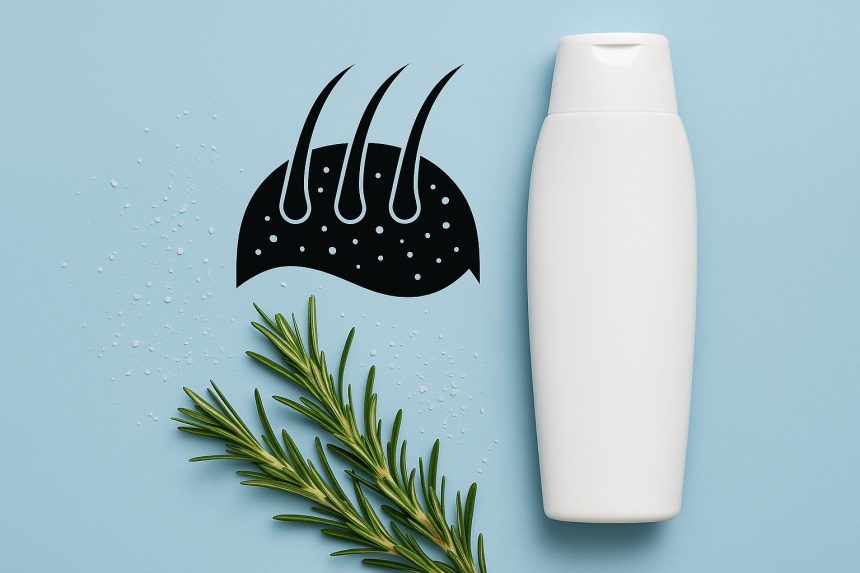
Dandruff is one of those scalp concerns that can seem under control for a few days, and then suddenly come back with itching, flakes, or a greasy scalp. Many people switch shampoos repeatedly, thinking the product no longer works when the problem is usually the scalp care routine around the shampoo. The right anti-dandruff shampoo can help, but long-term results are usually a matter of ingredients, how consistently the shampoo is used, and a few everyday habits that affect scalp health. Let’s look at dermatologist-recommended ingredients and practical tips for keeping dandruff at bay.
What is Dandruff and Why Does It Keep Coming Back?
Dandruff is a common scalp condition that causes visible flakes, itching, and sometimes mild irritation. In many cases, it’s associated with an overgrowth of Malassezia, a naturally occurring yeast that feeds on the scalp’s natural oils.
Several factors can make dandruff more persistent. These include:
- Excess sebum production
- Infrequent shampooing
- Product buildup on the scalp
- Stress
- Hot and humid conditions
- Using harsh hair products
Most dermatologists explain that dandruff tends to be a recurring condition rather than a one-time problem. The aim is not merely to remove the visible flakes, but to control the scalp environment that allows them to return.
Common Ingredients Dermatologists Recommend for Anti-Dandruff Shampoos
When choosing the best shampoo for dandruff, rather than simply rinsing away visible flakes, many dermatologists often recommend active ingredients that address the root causes of dandruff.
- Piroctone Olamine: Commonly recommended for controlling the yeast associated with dandruff while being suitable for regular scalp care.
- Salicylic Acid: A gentle exfoliant that helps loosen dead skin cells and remove scalp buildup, which makes it useful for flaky scalps.
- Zinc Pyrithione: Often found in anti-dandruff products to reduce flaking and irritation of the scalp.
- Ketoconazole: It is often recommended by dermatologists for persistent dandruff because it helps control the overgrowth of fungus on the scalp.
- Biotin: Used in scalp care formulations, it is often used to support overall hair health, particularly when dandruff is associated with increased breakage.
Natural ingredients such as Aloe Vera, Glycerin, and Tea Tree oil help to soothe an itchy scalp and attract moisture to help prevent visible flakes.
If you’re looking for an effective shampoo for dandruff and hairfall, a formula that combines anti-dandruff actives with ingredients that support the scalp and hair fibre can be more practical than using separate products for each concern.
Simple Expert Tips for Effective Long-Term Scalp Care
Using anti-dandruff shampoo correctly often makes as much difference as the formula itself. Dermatologists commonly recommend a few practical tips that can improve long-term results.
1. Allow the active ingredients to work
Anti-dandruff ingredients such as Salicylic acid and Piroctone olamine need contact time to work. Dermatologists generally recommend leaving the shampoo on your scalp for 2-3 minutes before rinsing instead of washing it off immediately. This can help the ingredients work effectively on the scalp
2. Use a hair wash suitable for your scalp type
If you have active dandruff, skipping washes for several days can allow oil and flakes to build up again.
- Oily scalp: Every 1-2 days if you have active dandruff.
- Normal scalp: 2-3 times per week.
- Dry Scalp: Use anti-dandruff shampoo as directed; do not wash too frequently.
3. Focus on the scalp
Use your fingertips to massage the scalp gently. Usually, the lather that runs through the lengths while rinsing is enough to cleanse the hair itself. For persistent dandruff, dermatologists can sometimes recommend alternating between the best hair shampoo for dandruff and a gentler shampoo to avoid over-drying.
4. Pay attention to hard water
Minerals in hard water can settle on the scalp and make it feel rough or itchy. A clarifying wash once in a while can help clear out buildup if your scalp can handle it.
5. Use conditioner correctly
Apply your condition only to the mid-lengths and the ends. Do not use it on the scalp to prevent product residue.
6. Treat dandruff before hair styling
If you use dry shampoo, hair wax or styling creams regularly, make sure the dandruff is under control first. Product residue can make flakes more visible and harder to manage.
7. Look for patterns
A lot of people notice flare-ups when they’re stressed, after excessive oiling or in humid weather. By knowing what triggers your dandruff, you can make changes to your routine before the problem gets serious.
How Does the Bare Anatomy Anti Dandruff Shampoo with Salicylic Acid, Piroctone Olamine & Biotin Stand Out?
Bare Anatomy Anti Dandruff Shampoo with Salicylic Acid, Piroctone Olamine & Biotin combines ingredients that work together to address several common concerns associated with dandruff.
- Salicylic acid helps to remove flaky buildup from the scalp
- Piroctone Olamine targets the yeast that causes dandruff.
- Biotin supports overall hair care for people who are also dealing with increased breakage or hair fall.
This dandruff control shampoo doesn’t rely on a single anti-dandruff active but a blend of ingredients targeting different scalp care needs. In addition to washing out flakes for a few hours, the formula also treats scalp buildup, controls yeast that causes dandruff, and promotes healthier-looking hair at the same time.
Common Mistakes That Make Dandruff Worse
Some habits can make dandruff appear worse, even if you’re using a treatment shampoo correctly. Avoid the following things:
- Heavy oiling on an actively flaky scalp: Excess oil can feed the yeast associated with dandruff, especially when used overnight.
- Scratching the scalp with nails: This can damage the scalp barrier and make irritation worse.
- Sharing combs or brushes: This can spread buildup and irritants from one person to another.
- Wearing sweaty hats or helmets for a long time: Sweat and oil can get trapped in the scalp, which can make the scalp feel itchier.
- Changing shampoos every few washes: Anti-dandruff treatments usually need to be used consistently for several weeks before their effectiveness can be evaluated.
Conclusion
Long-term dandruff control is usually about managing your scalp environment, not a quick fix. The return of dandruff can be affected by things like the ingredients in your shampoo, how long you leave the shampoo on, how often you wash, and even habits like oiling and product build-up. Once you identify these factors that make your scalp worse and use a well-formulated treatment consistently, it’s much easier to keep dandruff in check rather than always having to start fresh with a new shampoo.

Lynn Martelli is an editor at Readability. She received her MFA in Creative Writing from Antioch University and has worked as an editor for over 10 years. Lynn has edited a wide variety of books, including fiction, non-fiction, memoirs, and more. In her free time, Lynn enjoys reading, writing, and spending time with her family and friends.