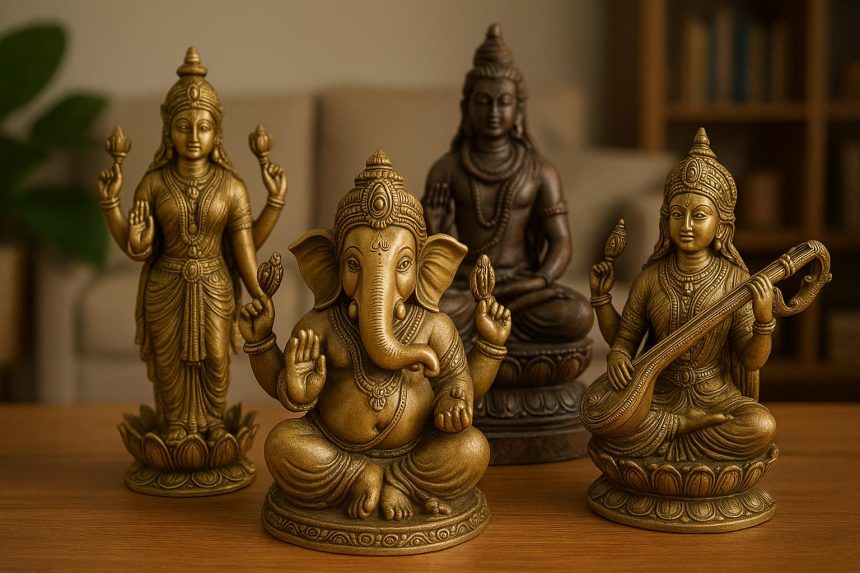
A Hindu statue can shift the mood of a space. In a calm living room it can become a visual anchor; in a meditation corner it can support a daily ritual; in a curated interior it can add depth that mass-produced decor rarely offers. Because these sculptures come from living religious traditions, the most satisfying choices usually begin with understanding rather than impulse.
Below is a practical, respectful guide to what to look for, from symbolism to materials and ethical buying.
Craftsmanship and materials that shape the piece
Hindu sculpture includes stone temple carvings, wood figures, and metal icons made for shrines. For many collectors, metalwork is especially compelling because fine casting can preserve tiny details in faces, jewelry, and hand gestures.
Traditional bronze and brass icons are often made with the lost-wax casting method. In simple terms, an artist forms a wax model, builds a clay mold around it, melts the wax away, and pours in molten metal. Each casting is effectively unique, and older pieces may develop a natural patina through age and handling.
Iconography and meaning in everyday terms
Iconography is the visual language of a statue. It helps you identify the deity and understand what the figure is traditionally associated with.
A few common examples:
- Ganesha is recognized by an elephant head and is widely linked with removing obstacles and supporting new beginnings.
- Shiva may appear as a meditative ascetic or as a cosmic dancer, sometimes shown with a trident.
- Vishnu is often depicted with symbolic items such as a conch or discus, connected with protection and preservation.
- Lakshmi is commonly associated with prosperity and is frequently shown with lotus symbolism.
These meanings can vary by region and lineage, so treat them as starting points rather than rigid rules.
How to choose a Hindu statue that fits your space
Before you buy, decide what you want the statue to do in your life and home. That clarity makes it easier to choose size, style, and material.
Use this quick checklist:
- Purpose: interior styling, devotional use, or art collecting
- Scale: give the piece enough visual space so it does not feel crowded
- Material: bronze and brass are durable; stone is heavy and stable; wood is sensitive to humidity
- Condition: wear, repairs, and surface changes can be normal for older works, but they should be described clearly
- Provenance: ask what is known about origin, age, and prior ownership
If you want to compare deity forms, materials, and styles in one place, a curated selection such as this hindu statue collection can help you learn which details to notice.
Ethical buying and respectful placement
Sacred art deserves careful handling in the marketplace. Ethical buying is not only about legality; it is also about transparency and respect.
Do:
- Choose sellers who explain what they know about origin and age and who share documentation when available
- Look for clear condition notes, including restorations
- Treat the statue as culturally significant even if you are buying it primarily as art
Avoid:
- Vague listings that refuse to answer basic questions
- Overconfident marketing claims without supporting context
- Pieces that appear to have been removed from architectural settings
For placement, many people prefer a clean, stable surface away from clutter. If the statue is used for practice, keep it in a quiet area and handle it with clean hands.
Simple care for long-term preservation
Dust gently with a soft cloth. Avoid harsh cleaners, polishes, or soaking. Keep metal and wood away from damp areas and prolonged direct sunlight. For older bronzes or stone pieces, professional conservation advice is safer than experimenting.
A thoughtful Hindu statue can be both visually striking and deeply meaningful. When you choose with care, you bring home not only an object, but also a piece of artistry and tradition.

Lynn Martelli is an editor at Readability. She received her MFA in Creative Writing from Antioch University and has worked as an editor for over 10 years. Lynn has edited a wide variety of books, including fiction, non-fiction, memoirs, and more. In her free time, Lynn enjoys reading, writing, and spending time with her family and friends.