

Key Takeaways
Plasma forms a vital part of blood, essential for various medical treatments benefiting burn victims, trauma survivors, and individuals with clotting disorders. Moreover, it plays an ongoing role in healthcare, enhancing immune responses for those grappling with immunodeficiency disorders.
For families facing emergencies, plasma donations deliver crucial, life-saving assistance when relatives urgently need medical care. Each donation profoundly affects both patients and their families, restoring hope in dire situations.
The journey of plasma donation starts with a health screening, ensuring donors meet specific criteria. Following this, blood is drawn and processed to separate plasma, which occurs in a comfortable setting. The entire process usually takes about 1.5 to 2 hours, creating a seamless experience for those donating.
Compensation for donations can be substantial over time, with many centers also providing loyalty programs and promotions to motivate repeat donations. This financial recognition reflects the invaluable service that donors perform.
Regularly donating plasma can actually enhance overall health, promoting new plasma production, increasing iron levels, and improving hydration. This fact accentuates the health benefits of engaging in such an altruistic act.
Personal stories from both donors and recipients reveal the significant impact plasma donations can have. These testimonials serve to encourage others to donate while spotlighting the sense of community that emerges from these shared experiences.
The connection between donors and recipients enriches the donation experience, with updates and interactions highlighting the importance of each contribution. This relationship deepens the significance of plasma donations and can inspire a wider commitment to helping those in need.
Why Plasma Donation Is a Lifesaving Act
Understanding the Vital Role of Plasma in Medicine
Often overlooked compared to red blood cells and platelets, plasma is truly the unsung hero of blood. Primarily composed of water, it transports essential proteins, hormones, and nutrients. Here’s the hard truth: without plasma, many medical treatments would fail. It holds a critical role in therapies for burn victims, trauma patients, and individuals with clotting disorders. Healthcare professionals depend on plasma-derived products to treat conditions like hemophilia and specific liver diseases. Just one donation can dramatically influence countless lives.
Curiously, plasma isn’t merely crucial in emergencies; it also plays a long-term role in healthcare. The proteins found in plasma assist immune responses, marking it as essential for managing immunodeficiency disorders. Thus, when a person donates plasma, they contribute to a broader endeavor: the relentless battle against illness and injury.
The Impact on Patients and Their Families
Envision receiving the news that a close family member urgently needs plasma for a life-saving procedure. The underlying tension that families experience while awaiting donors can be staggering. In countless cases, plasma donations provide the vital support necessary for patients. Healthy donors frequently emerge as unsung heroes, reinstating hope for not just those in need but also for their families.
One donor shared, “I never knew how much of an impact I could make. Just one donation might save a life.” This sentiment rings true across the plasma donation community. Each donation represents a personal effort towards meeting an urgent medical need. When plasma is readily available, families can find solace in knowing their loved ones are receiving the required treatment.
What to Expect During Your Plasma Donation Journey
Step-by-Step Process at ABO Plasma Centers
The plasma donation journey starts with scheduling an appointment at a certified center like ABO Plasma. Upon arrival, donors complete a brief health screening, which includes questions about medical history and a physical exam to confirm eligibility. It’s a straightforward yet essential initial step.
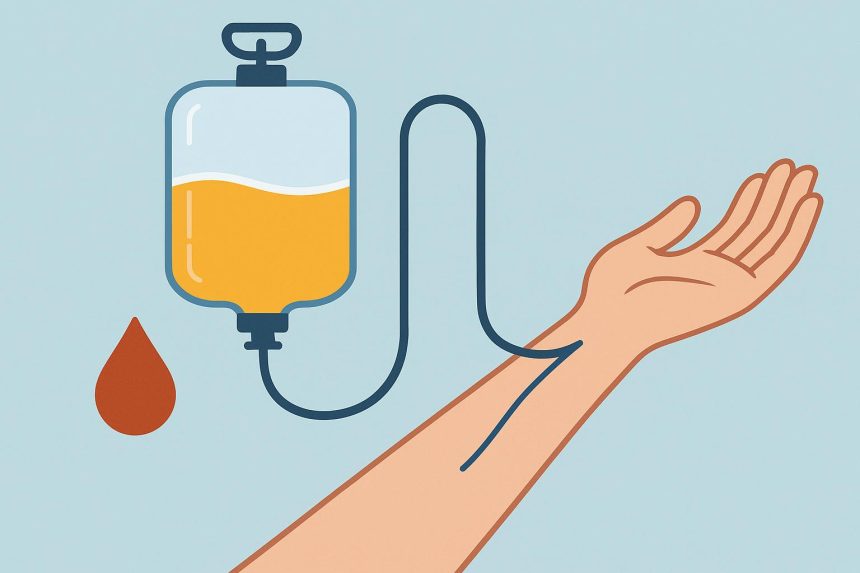
The next phase is the donation itself. Donors relax in a comfortable recliner while a healthcare professional inserts a needle into an arm. The initial collection takes about 10 to 15 minutes, allowing blood to be drawn and processed in a specialized machine. This machine separates plasma from blood cells, returning the latter back to the donor. The process is efficient and minimally uncomfortable. Over the course of the visit, which normally lasts between 1.5 to 2 hours, the screening and recovery period are both included.
- Appointment Scheduling: Donors can book a visit online or by phone.
- Pre-Donation Screening: A health questionnaire and physical assessment.
- Donation: The process wherein plasma is separated from blood.
- Recovery: Time to rest and refresh to regain energy.
Following the donation, professionals advise donors to take a moment to recuperate. Staying hydrated and replenishing energy levels is vital. This system ensures donors feel well and are ready to return for future donations comfortably.
Frequently Asked Questions About Plasma Donation
Potential donors often have various queries about the donation process. Addressing these can help alleviate apprehensions and stimulate interest in donating. A common concern is safety; plasma donation is a secure, regulated procedure. The FDA establishes guidelines to ensure that all processes remain sterile and closely monitored.
Compensation also frequently comes up in conversations. Donation centers usually offer financial remuneration, acknowledging the time and effort involved. This compensation can vary, yet it typically aims to represent the commitment of donors appropriately. It’s a fair exchange for making a substantial difference.
- Is there a minimum age requirement? Yes, most centers stipulate that donors must be at least 18 years old.
- Can anyone donate? While most healthy adults are eligible, specific medical conditions might prevent certain individuals from donating.
- How often can someone donate? Generally, individuals are allowed to donate plasma up to two times per week.
By gathering necessary information and coming prepared, prospective donors can approach the experience feeling informed and positive about their contributions.
Maximizing the Benefits of Your Plasma Donation Experience
Compensation and Rewards for Your Generosity
Many donors find appeal in the tangible rewards of their contributions. Plasma donation centers such as ABO Plasma typically offer monetary compensation for each donation. While this financial incentive differs by location, many donors can accumulate a significant amount over time. It’s not merely a form of gratitude; it signifies recognition of the priceless service offered.
However, the perks extend beyond just compensation. Numerous centers implement loyalty programs and promotions to encourage donors to return. Engaging with these programs can lead to additional bonuses or exclusive deals. Thus, the situation becomes mutually beneficial: donors save lives while enjoying rewards for their generosity.
Health Benefits of Donating Plasma
Moreover, the act of donating plasma serves to enhance one’s well-being. Regular donations can trigger the production of new plasma, which is crucial for maintaining a healthy circulatory system. Many professionals assert that a consistent donation schedule can result in an uptick in overall health. It’s an active method of supporting personal wellness while aiding others.
Interestingly, donors might discover increased iron levels as their bodies adapt to the temporary loss of blood volume. This reflects the remarkable resilience of the body. Knowing that each plasma donation often comes with beneficial side effects is reassuring. Although the primary aim is to save lives, acknowledging these secondary benefits is certainly worthwhile.
- Increased hydration: Donating plasma often encourages healthier hydration practices.
- Health monitoring: Regular check-ups during donations can identify health issues early on.
- Community connection: Interacting with fellow donors fosters a sense of belonging.
It’s evident that the advantages of donating plasma stretch beyond the immediate action itself.
Transforming Lives: Stories from Plasma Donors and Recipients
Real-Life Testimonials That Inspire Action
Stories tend to serve as powerful motivators for action. One recipient detailed their struggle with a rare blood disorder and how plasma donations significantly influenced their treatment. “Without those donations, I wouldn’t be here today,” they noted. Such narratives aren’t uncommon. Each story underscores the profound ripple effect generated by individual donor actions.
On the flip side, donors also recount their rewarding experiences. One donor expressed, “Every time I donate, I feel like I’ve become part of something so much larger.” These accounts not only inspire others to think about donating but also emphasize the sense of community and shared purpose surrounding plasma donation.
“One donation can save lives. That’s a powerful feeling.”
Connecting Donors with Those in Need
The bond that forms between donors and recipients amplifies the significance of plasma donation. Via various platforms, donors can receive updates about the individuals they’ve helped. Realizing that a donation contributed to saving a life adds depth to the act of giving. Professionals believe this connection enhances the importance of donating, nurturing a lasting relationship.
Organized events and outreach initiatives often bridge these connections, enabling donors to meet recipients. These extraordinary moments can inspire even more individuals to engage in the cause. Sharing such experiences fosters awareness and enthusiasm for plasma donating, broadening its reach and attractiveness.
In essence, plasma donations represent more than mere medical procedures; they serve as lifelines. Every participant plays a role in a unified mission of healing and hope. Across various communities, the ripple effects of one simple act persist, transforming lives in profound and heartfelt ways.
FAQ
What types of conditions can plasma donations help treat?
Plasma donations are crucial for treating a spectrum of conditions, including hemophilia, liver diseases, and traumatic injuries. They also provide support for burn victims and individuals with clotting disorders, significantly boosting recovery prospects during critical moments.
How does donating plasma compare to other types of blood donation?
While standard blood donations focus primarily on red blood cells, plasma donation specifically targets the liquid component crucial for various medical treatments. Each type has its distinct role; plasma is essential for therapies that depend on clotting factors, while red blood cells are vital for treating anemia or trauma cases.
Is the plasma donation process safe?
Indeed, plasma donation is a secure procedure regulated by the FDA. Strict protocols are implemented to ensure sterility and patient safety throughout the donation phase, making it a dependable avenue for contributing to life-saving treatments.
What should potential donors do to prepare for their donation?
It’s important for donors to hydrate adequately and consume a balanced meal before their appointment. Furthermore, steering clear of alcohol and caffeine is advisable to ensure a smooth donation experience. Such preparation optimizes benefits for both the donor and the recipients.
Can individuals with pre-existing medical conditions donate plasma?
While many healthy adults are eligible to donate plasma, pre-existing medical conditions could influence eligibility. It’s vital for prospective donors to speak with the staff during the health screening to assess their unique circumstances properly.
Are there age restrictions for plasma donations?
Typically, donors must be at least 18 years old to participate in plasma donation. Some centers might request additional identification to verify eligibility, necessitating proper documentation during the process.
What happens to the donated plasma after collection?
Once collected, plasma undergoes processing and testing to guarantee safety and suitability for transfusion. It is subsequently pooled and may be transformed into life-saving therapies, applied directly to treat various medical conditions.
How can someone stay connected with the impact of their donations?
Many donation centers provide donors with updates about the recipients of their donations, fostering a richer connection. Additionally, some centers even arrange events where donors can meet recipients, further inspiring contributions by showcasing the real impacts of their generosity.

Lynn Martelli is an editor at Readability. She received her MFA in Creative Writing from Antioch University and has worked as an editor for over 10 years. Lynn has edited a wide variety of books, including fiction, non-fiction, memoirs, and more. In her free time, Lynn enjoys reading, writing, and spending time with her family and friends.