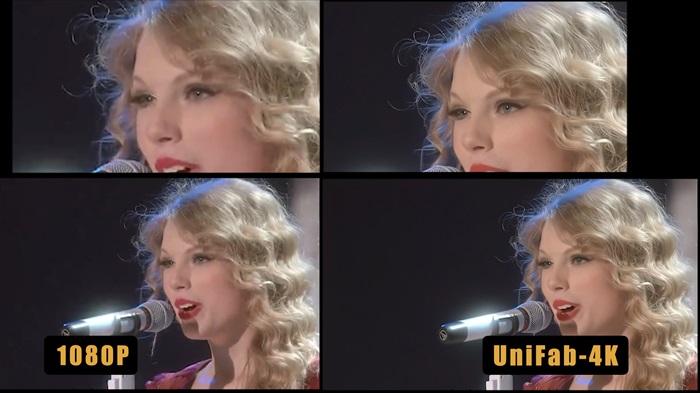
In the digital era, video has become the cornerstone of communication, education, and entertainment. From social media and marketing campaigns to online learning and cinematic productions, video is the medium that captures attention, conveys messages, and evokes emotion. Yet, despite the surge in high-resolution displays and streaming platforms, much of the video content available today falls short of modern expectations. Blurry footage, pixelation, and poor lighting often reduce the impact of content, leaving creators searching for effective solutions.
Artificial intelligence has emerged as a revolutionary tool in addressing these challenges. With solutions like Video Enhancer software by UniFab AI, low-quality or outdated videos can be transformed into high-definition, professional-grade content. These AI-powered tools are redefining the process of video enhancement, making it more efficient, accessible, and precise than traditional methods.
Why High-Quality Video Matters
High-quality video is no longer optional—it’s essential. Modern audiences consume content on 4K and 8K screens, ultra-HD monitors, and high-resolution mobile devices. Even minor imperfections, such as motion blur, compression artifacts, or low resolution, can negatively affect viewer engagement.
For businesses, low-quality videos can undermine credibility and reduce customer trust. For content creators, unclear visuals often lead to decreased engagement and lower reach on social media. In educational contexts, poor video quality can hinder comprehension and retention. The reality is clear: to communicate effectively, your video content must be clear, sharp, and professional.
Limitations of Traditional Video Enhancement
Before AI-powered tools, improving video quality relied on manual editing and conventional upscaling techniques. Methods such as pixel interpolation or frame stretching could enlarge footage, but they often produced blurry visuals, distorted textures, and unnatural motion.
Traditional editing also demanded specialized skills, expensive software, and substantial time investment. For many creators and businesses, achieving high-quality results consistently was both costly and time-consuming. These limitations underscored the need for intelligent, automated solutions capable of delivering superior results efficiently.
How AI Video Enhancement Works
AI video enhancement uses advanced algorithms to analyze and improve videos intelligently. The Video Enhancer software examines each frame individually, detecting objects, textures, colors, and motion patterns. Unlike traditional methods, AI doesn’t merely sharpen or stretch pixels—it reconstructs missing details to create high-quality, realistic visuals.
The AI enhancement process typically involves:
- Frame Analysis: Each frame is scanned for noise, blur, and compression artifacts.
- Content Recognition: AI identifies faces, objects, text, and motion to determine areas needing improvement.
- Detail Reconstruction: Missing pixels and textures are restored, enhancing edges, colors, and overall visual fidelity.
- Noise Reduction: Grain and distortions are minimized while retaining important details.
- Motion Optimization: Frame transitions are smoothed to eliminate flicker and jitter while maintaining natural movement.
This intelligent approach allows creators to achieve professional-quality results quickly and consistently, surpassing traditional enhancement techniques.
Restoring Old and Low-Resolution Footage
One of the most valuable applications of AI video enhancement is restoring older or low-resolution content. Family recordings, archival footage, early digital media, and legacy marketing campaigns often do not meet modern visual standards. Using Video Enhancer software, these videos can be upgraded in terms of clarity, color accuracy, and resolution, making them suitable for modern viewing platforms.
For individuals, AI enhancement preserves precious memories with higher visual fidelity. For businesses, legacy campaigns can be refreshed without the cost of reshoots. Educators, historians, and content curators can ensure that valuable visual content remains relevant and engaging for contemporary audiences.
UniFab AI Video Upscaler: Smart Resolution Boosting
While video enhancers improve clarity and reduce noise, the UniFab AI Video Upscaler is designed to specifically increase resolution intelligently. Traditional upscaling methods enlarge pixels, often resulting in blurred visuals or unrealistic textures. AI-driven upscaling predicts and reconstructs missing details using deep learning algorithms, producing high-resolution outputs that maintain clarity and realism.
By analyzing each frame in context, the UniFab AI Video Upscaler delivers sharper edges, smoother textures, and natural motion. The result is a video that appears larger, clearer, and professional-grade—ideal for streaming platforms, social media, educational content, and cinematic productions.
Benefits of AI-Powered Video Enhancement
AI-powered video enhancement offers several advantages over conventional methods:
- Time Efficiency: Automated processing drastically reduces hours of manual editing.
- Cost Savings: Eliminates the need for expensive reshoots, cameras, or manual software-based enhancement.
- Consistency: Enhancements are applied uniformly across all frames, producing reliable results.
- Accessibility: Tools are easy for beginners while offering advanced features for professionals.
- Scalability: Capable of processing large volumes of video content quickly and efficiently.
These benefits make AI video enhancement solutions like Video Enhancer and UniFab AI Video Upscaler indispensable for creators, businesses, and educational institutions.
Applications Across Industries
AI-enhanced video technology is transforming multiple sectors:
- Content Creation & Social Media: Creators can enhance older videos or improve new content for higher engagement and platform compatibility.
- Marketing & Advertising: Brands can refresh legacy campaigns with high-quality visuals while maintaining consistent professional branding.
- Film & Entertainment: Filmmakers can restore classic films, remaster scenes, and produce high-definition content for streaming or theatrical release.
- Education & Training: Instructional videos can be upgraded for clarity, making learning more effective and engaging.
- Security & Surveillance: Enhanced video resolution and reduced noise improve the ability to identify critical details in surveillance footage.
AI vs Traditional Video Enhancement
Traditional video enhancement relies on manual editing and fixed algorithms, often producing inconsistent or unrealistic results. AI-powered enhancement, by contrast, adapts intelligently to the content, analyzing each frame and optimizing visuals contextually.
Key differences include:
- Context Awareness: AI identifies objects, textures, and motion patterns in each frame.
- Intelligent Detail Reconstruction: Edges, textures, and colors are restored naturally.
- Automation: Minimal manual intervention is required.
- Superior Visual Quality: Videos appear sharper, smoother, and more professional.
This shift from manual editing to intelligent AI processing represents a major leap forward in video technology, allowing creators to produce professional-grade content faster and more efficiently.
The Future of AI Video Enhancement
AI video enhancement is evolving rapidly. Future innovations may include real-time processing, cloud-based video enhancement, and seamless integration with editing software. These developments will make producing high-quality videos faster, more accessible, and increasingly versatile.
As the demand for high-resolution, immersive content continues to grow, AI-powered tools will remain essential for creators, educators, and businesses, helping them tell compelling stories and engage audiences with clarity and precision.
Conclusion
Video quality is now a critical component of storytelling, communication, and brand identity. AI-powered tools such as Video Enhancer have transformed low-quality footage into professional-grade content with minimal effort. When combined with the UniFab AI Video Upscaler, creators can intelligently increase resolution, improve clarity, and preserve motion, producing visually striking and professional-quality videos.
As AI continues to advance, creating high-quality video content is becoming more accessible than ever. Whether for personal memories, marketing campaigns, educational content, or professional productions, AI video enhancement sets a new standard for visual excellence, ensuring every story is delivered with clarity, impact, and precision.

Lynn Martelli is an editor at Readability. She received her MFA in Creative Writing from Antioch University and has worked as an editor for over 10 years. Lynn has edited a wide variety of books, including fiction, non-fiction, memoirs, and more. In her free time, Lynn enjoys reading, writing, and spending time with her family and friends.