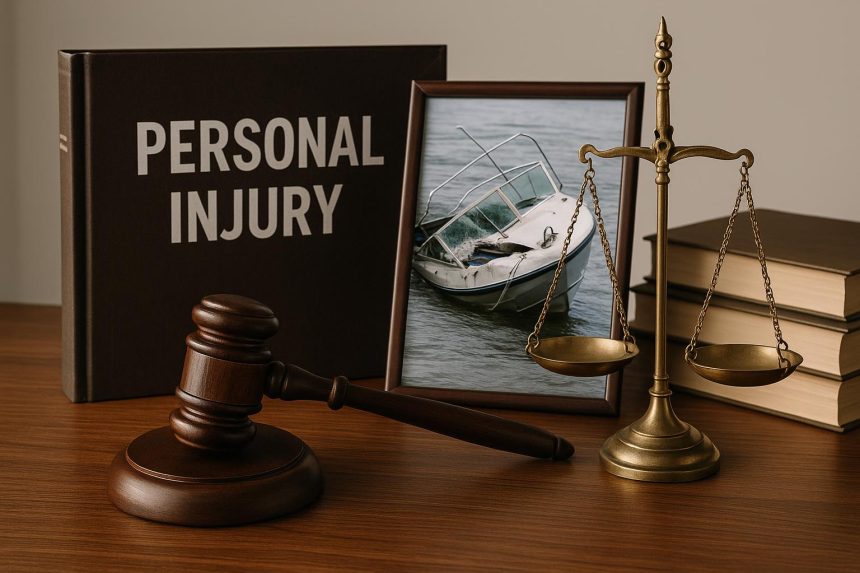
A serious boat accident can change a person’s life in seconds. When injuries are severe, finding the right legal support can be just as important as getting medical care. For people dealing with major injuries, a Nashua, NH lawyer for boat-related injuries can help explain the legal options and the steps that may be needed to pursue compensation.
Nashua is a major community in southern New Hampshire, close to several lakes, rivers, and recreational areas where residents and visitors enjoy boating during warmer months. Boats, personal watercraft, and other vessels can provide hours of recreation, but an unsafe decision on the water can result in a collision, fall, drowning, or life-changing injury. For families in Nashua, the consequences may continue long after the accident itself.
Why Boat Accidents Can Cause Catastrophic Injuries
Boat accidents can involve high speeds, hard surfaces, powerful motors, and unpredictable water conditions. A person thrown from a vessel may strike another boat, the water, a dock, or another object. In some cases, a passenger can become trapped or suffer injuries while trying to remain aboard.
Catastrophic injuries may include traumatic brain injuries, spinal cord damage, severe fractures, internal injuries, burns, or permanent loss of movement. Some accidents also result in drowning or oxygen deprivation. These injuries can require emergency treatment, surgery, rehabilitation, and long-term care, leaving an injured person with significant physical and financial challenges.
How Negligence Can Lead to a Boat Accident
A boating accident may happen because someone failed to operate a vessel safely. New Hampshire law prohibits operating a power boat in a careless and negligent manner when doing so endangers the public. The state also has separate rules addressing reckless boat operation.
Unsafe speed, failure to keep a proper lookout, improper passing, and failure to follow navigation rules can all create dangerous conditions. Alcohol use, distraction, lack of boating experience, and poor judgment can also contribute to a crash. Not every accident has the same cause, so a careful review may be needed to determine what happened and who may be responsible.
Several Parties May Have a Role
The person operating a boat is not always the only party who may need to be considered after a serious accident. Depending on the circumstances, responsibility could involve a boat owner, rental company, manufacturer, marina, or another party. This is particularly important when an accident involves equipment problems or unsafe conditions.
For example, a rental company could face questions if a vessel was poorly maintained or if important safety information was not provided. A manufacturer may become relevant if a defective component contributed to an accident. A property owner or marina may also need to be examined when unsafe conditions played a role. Identifying every potentially responsible party can be important when catastrophic injuries result in substantial long-term losses.
Evidence Can Matter After a Serious Crash
Evidence from a boating accident can disappear quickly. Witnesses may forget what they saw, a damaged vessel may be repaired, and electronic records may become harder to obtain. Weather and water conditions can also change, making early documentation valuable.
Photographs of the accident scene, damaged boats, personal injuries, safety equipment, and nearby structures may help establish what happened. Witness contact information can also be important. Medical records can document the nature and extent of injuries, while accident reports may provide additional information about the incident.
New Hampshire law requires an operator involved in an accident involving death, personal injury, or property damage to stop, provide assistance, and exchange required information. Certain accidents must also be reported to the Department of Safety within 15 days. Readers can review the state’s official New Hampshire boating accident reporting requirements for more information about these duties.
Severe Injuries May Affect More Than Medical Bills
The consequences of a catastrophic boating injury often extend beyond the first hospital visit. A person with a spinal cord injury, brain injury, or serious orthopedic injury may need months of rehabilitation. Some people may require ongoing physical therapy, prescription medication, assistive equipment, or modifications to their home.
Lost income can become another major concern. If an injured person cannot work, the household may lose an important source of income while expenses continue. A permanent disability can create an even longer financial challenge, while family members may have to provide care or make changes to the household. The emotional effects of losing independence can also be difficult for both the injured person and their family.
Nashua Residents Should Understand Local Boating Rules
Knowing the rules that apply to New Hampshire waterways can provide useful context after an accident. For example, state law establishes navigation rules for vessels approaching one another, crossing courses, and passing another vessel. These rules can become relevant when questions arise about how a collision occurred.
New Hampshire also requires certain operators of motorized vessels with engines over 25 horsepower to obtain boating safety education certification. These requirements are part of the state’s broader approach to boating safety. For Nashua residents, understanding these rules can provide useful context when an accident involves questions about how a vessel was being operated or whether required safety measures were followed.
When Legal Guidance May Be Worth Considering
A minor boating incident may be resolved without a complicated legal dispute. A catastrophic injury is different. When someone suffers a permanent or life-changing injury, the financial stakes can be much higher, especially when medical treatment and lost income continue over an extended period.
Legal guidance may be especially useful when the cause of the accident is disputed, several parties may share responsibility, an insurance company questions the claim, or the injuries require extensive medical care. A lawyer can review available evidence and explain what options may apply to the specific situation. Early guidance may also help an injured person understand what records and information should be preserved.
Building a Stronger Path Toward Recovery
Recovering from a catastrophic boating injury can take time. Medical treatment should remain the first priority, but preserving information about the accident can also become important. Keeping copies of medical records, bills, accident reports, photographs, insurance correspondence, and other relevant documents can help create a clear record.
The goal is not simply to identify that an accident occurred. A strong claim may require evidence showing how the accident happened, why another party may be responsible, and how the injuries affected the person’s life. For people in Nashua dealing with the aftermath of a serious boating accident, organized records can make it easier to explain the full impact of the incident and the ongoing challenges it creates.
Moving Forward After a Catastrophic Boat Injury
A catastrophic boat injury can affect a person’s health, work, finances, and family for years. Getting medical care quickly and taking reasonable steps to preserve evidence can help protect the path toward recovery. Family members may also need to adjust their routines while an injured person focuses on treatment and rehabilitation.
The legal issues can be difficult when responsibility is disputed or long-term losses are involved. For Nashua residents facing these circumstances, speaking with a qualified New Hampshire personal injury attorney can help clarify the available options and provide a better understanding of what may come next. Each accident is different, so the appropriate legal approach depends on the facts, injuries, evidence, and parties involved.

Lynn Martelli is an editor at Readability. She received her MFA in Creative Writing from Antioch University and has worked as an editor for over 10 years. Lynn has edited a wide variety of books, including fiction, non-fiction, memoirs, and more. In her free time, Lynn enjoys reading, writing, and spending time with her family and friends.