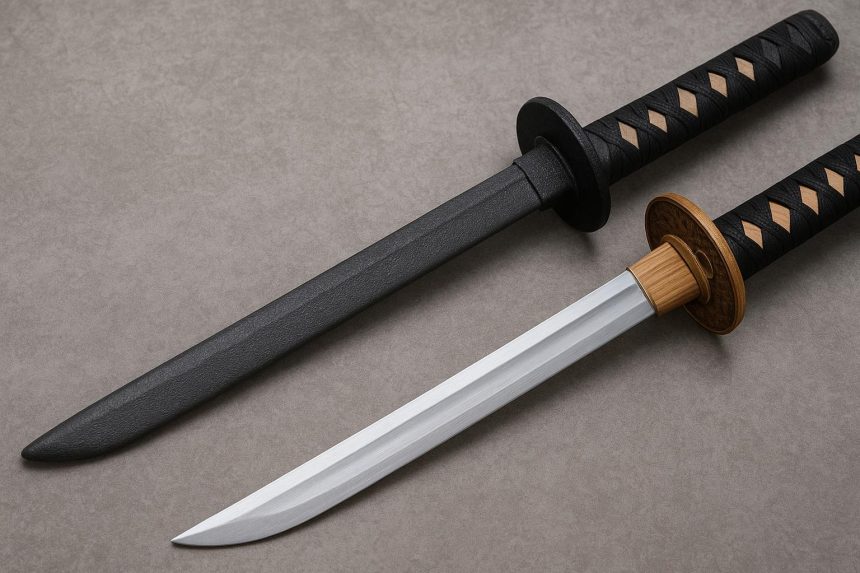
Choosing the right material for a cosplay weapon is one of the most significant decisions a prop maker or enthusiast will face. The debate between foam and wood for katana replicas is particularly intense because each material offers a completely different experience in terms of aesthetics, safety, and durability. This guide provides a deep dive into the world of replica weaponry to help you decide which material reigns supreme for your specific needs.
Table of Contents
1. Understanding the Core Differences
2. The Case for Foam Katanas: Safety and Flexibility
3. The Case for Wood Katanas: Realism and Weight
4. Convention Regulations and Security Compliance
5. Durability and Longevity Factors
6. Customization and Painting Techniques
7. Cost Analysis and Value for Money
8. Making the Final Decision for Your Next Build
Understanding the Core Differences
When you begin your journey into the world of replica weaponry, the first thing you will notice is that the material defines the soul of the prop. A foam katana is typically constructed from High Density EVA foam, often reinforced with a fiberglass or carbon fiber rod to prevent the blade from flopping. On the other hand, wooden katanas, often referred to as bokken in martial arts circles or simply wooden replicas in cosplay, are carved from various hardwoods or bamboo.
The difference in tactile feedback is immediate. Foam feels light, airy, and safe, whereas wood feels substantial, rigid, and traditional. For those looking for high quality options, Next Level UK provides a range of high quality replicas that cater to these different preferences, ensuring that collectors have access to well crafted pieces regardless of their material choice. The primary target keyword of this discussion, the Foam vs. Wood: Which Replica Cosplay Katana Sword is Best debate, often comes down to the specific environment where the sword will be used.
The Case for Foam Katanas: Safety and Flexibility
Foam katanas have surged in popularity over the last decade, primarily due to the rise of high density EVA foam technology. These replicas are the gold standard for active cosplayers who spend long hours walking through crowded convention halls.
1. Weight Distribution: Foam katanas are exceptionally lightweight. This reduces fatigue during long photoshoots where you might be required to hold a striking pose for several minutes at a time.
2. Safety and Impact: Because the material is compressible, foam swords are much safer in crowded environments. If you accidentally bump into another attendee, a foam blade will flex and absorb the impact rather than causing bruising or damage to someone else's costume.
3. Complex Sculpting: Foam allows for intricate detailing that is often difficult to achieve with wood without advanced power tools. You can easily dremel battle damage, chips, or mystical runes into the surface of a foam blade.
4. Portability: For international cosplayers who travel by air, foam is much easier to pack. It is less likely to snap under the pressure of other luggage and is generally viewed more favorably by airport security.
The Case for Wood Katanas: Realism and Weight
While foam is practical, wood offers an undeniable sense of authenticity. For many purists, the weight of a wooden katana is essential for a convincing performance. When you draw a wooden sword from its scabbard, the sound of wood sliding against wood creates a satisfying click that foam simply cannot replicate.
1. Structural Integrity: Wood is inherently rigid. This means the blade will never wobble or bend in the wind, which is a common issue with lower quality foam replicas.
2. Surface Finish: Wood can be sanded to an incredibly smooth finish and painted with metallic lacquers to look almost identical to real steel. The grain of the wood, if left visible on the hilt, adds a layer of organic texture that feels premium.
3. Training Utility: Wooden katanas are often used for light kata or form practice. If you want a replica that doubles as a martial arts training tool, wood is the superior choice.
4. Traditional Aesthetics: There is a historical connection between wood and the katana. Using a wooden replica feels like a nod to the traditional bokken used by samurai for centuries.
Convention Regulations and Security Compliance
One of the most critical factors in the Foam vs. Wood: Which Replica Cosplay Katana Sword is Best debate is the rules set by event organizers. At Next Level UK, the team understands that a prop is only useful if you can actually bring it into the venue.
Convention security teams have become increasingly strict over the years. Most major events have a peace bonding station where every weapon is inspected. Foam katanas are almost universally accepted because they pass the squeeze test, meaning the material yields under pressure. Wooden katanas, however, are sometimes categorized as blunt force weapons.
Some conventions allow wooden swords only if they are permanently secured in their scabbards with zip ties. This can be a major drawback if your character's signature move involves drawing the blade. Before committing to a wooden replica, always check the specific weapon policy of the event you plan to attend. Foam remains the safest bet for hassle free entry into almost any venue worldwide.
Durability and Longevity Factors
When investing in a replica, you want it to last for years of conventions and displays. The durability of each material depends heavily on how you treat the item.
1. Environmental Sensitivity: Wood is susceptible to humidity and temperature changes. It can warp or crack if stored in a damp basement or an overly dry attic. Foam is generally more stable in varying climates, though extreme heat can occasionally soften the contact cement used in its construction.
2. Impact Resistance: If you drop a wooden katana on a hard floor, there is a risk of the tip chipping or the blade snapping along the grain. Foam is much more resilient to drops; it will simply bounce.
3. Paint Adhesion: Paint tends to stick better to prepared wood than to foam. Foam is flexible, which means the paint must also be flexible. If you use the wrong type of paint on a foam sword, it will crack and peel as the blade bends. Wood provides a static surface that holds automotive grade paints and clears beautifully.
Customization and Painting Techniques
For the DIY enthusiast, both materials offer unique challenges and rewards. Customizing a replica allows you to stand out from the sea of mass produced items.
1. Sealing the Surface: Foam requires a heat treatment and a flexible sealer like Plasti Dip or Hexflex before painting. Wood requires wood filler for the grain and a high quality primer.
2. Weathering: To make a katana look battle worn, you can use silver acrylics to simulate edge wear. On wood, you can use actual wood stains to deepen the color of the hilt. On foam, you use washes of black and brown paint to simulate dirt and grime in the crevices.
3. Handle Wrapping: Both materials allow for traditional Tsuka-maki (handle wrapping). However, wood provides a more solid base for tightening the Ito (braid), resulting in a grip that feels much more like a real sword.
If you are looking for a base to start your customization project, checking out the selection at Next Level UK can provide you with a high quality foundation that saves you hours of initial shaping work.
Cost Analysis and Value for Money
Budget is often the deciding factor for many hobbyists. Generally, mass produced foam katanas are more affordable than hand carved wooden ones. However, the price gap has narrowed in recent years.
1. Entry Level: Basic foam swords are very inexpensive and perfect for beginners or children.
2. Mid Range: High density foam replicas with internal supports and wooden katanas made of bamboo or light hardwoods usually occupy the same price bracket.
3. Premium Tier: Hand crafted hardwood katanas with authentic rayskin grips and high carbon steel fittings can be quite expensive. Similarly, professional grade cosplay foam props with custom electronics and high end finishes can also reach high price points.
For the average consumer, a high quality foam replica offers the best value because it combines safety, ease of transport, and a convincing look at a moderate price.
Making the Final Decision for Your Next Build
To choose the right material, you must evaluate your priorities. If your primary goal is to look incredible in photos while maintaining total comfort during an eight hour convention day, foam is the clear winner. The lightweight nature and safety compliance make it the practical choice for the modern cosplayer.
If your goal is to have a display piece that feels heavy and authentic in your hand, or if you are performing in a choreographed stage play where the sound and rigidity of the blade are paramount, wood is the better option. Wood provides a level of prestige and traditional feel that foam cannot match.
Many collectors choose to have both. They might use a foam version from Next Level UK for the busy convention floor and keep a wooden or metal version at home for photography sessions in controlled environments or for wall mounting.
Ultimately, the best replica is the one that fits your specific lifestyle and the requirements of the characters you portray. Whether you choose the soft resilience of foam or the sturdy tradition of wood, your passion for the craft is what truly brings the character to life. Focus on the details, respect the safety guidelines of your community, and choose the tool that helps you tell your story most effectively.

Lynn Martelli is an editor at Readability. She received her MFA in Creative Writing from Antioch University and has worked as an editor for over 10 years. Lynn has edited a wide variety of books, including fiction, non-fiction, memoirs, and more. In her free time, Lynn enjoys reading, writing, and spending time with her family and friends.